
Exploring How Our Body’s Magnetism & Water Physics Shape Nervous System Balance
“The body may speak more in magnetic fields than in words or chemicals.”
Introduction: Beyond Chemicals
We often think of the autonomic nervous system (ANS) — the part of your nervous system that controls heart rate, digestion, and stress responses — in terms of hormones and neurons. But what if magnetism and water physics also play a role?
In the presence of a magnetic field, paramagnetic molecules are attracted to the centre of the field, whereas diamagnetic molecules form an opposing magnetic field, both repelling and being repelled by the pre-existing field. The three dimensional electromagnetic field of the heart provides directionality to the flow of fluids in the body, and the heart uses magnetohydrodynamic forces to propel blood around the body.
This perspective sees the parasympathetic nervous system (PNS), which calms and restores, reflects a diamagnetic force — expanding, relaxing, dispersing and discharging the magnetic field from the centre of the heart to the extremities. The sympathetic nervous system (SNS), which energises and activates, reflects a paramagnetic force — contracting, concentrating, and charging inwards, towards the centre of the heart’s magnetic field.
Breathing, Blood & Magnetic Dance
Oxygen and carbon dioxide aren’t just gases — they have magnetic personalities:
- Oxygen is paramagnetic, attracted to magnetic fields.
- Carbon dioxide is diamagnetic, repelling them.
During inhalation, the two paramagnetic substances Oxygen and Deoxyhemoglobin are instantly attracted to the same space and therefore each other, providing a force far greater than diffusion for the intake of Oxygen into the blood. Together they create the diamagnetic oxyhemoglobin.
As the blood circulates, the more Carbon Dioxide is in the blood, the more the Oxyhemoglobin releases Oxygen. The increasing levels of diamagnetic Carbon Dioxide go some way to balance increasing levels of Deoxyhemoglobin, maintaining the homeostasis of blood plasma.
The Oxygen released in the blood capillaries is highly attracted to the mitochondria, being the densest magnetic field centres within the cells. Here it is used for cellular respiration, the primary source of energy in the body.
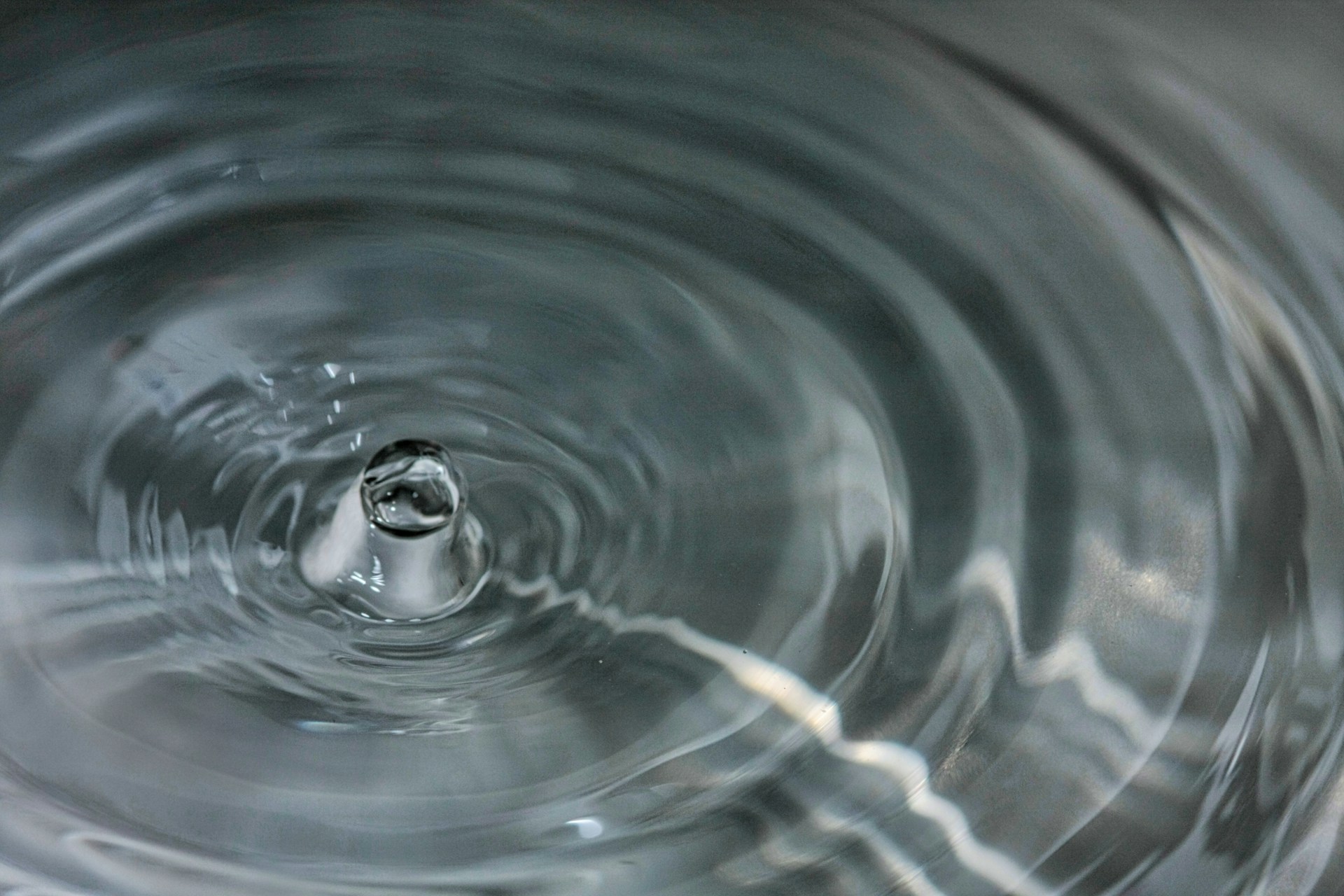
Photo by jesse orrico on Unsplash

Water: The Body’s Magnetic Medium
Water is diamagnetic and so our tissues and cells are mostly diamagnetic, while blood alternates between diamagnetic and paramagnetic phases depending on oxygen levels. Cells generate and respond to electromagnetic fields, with water being the key to their dielectric and diamagnetic fields, all vital to your body’s natural rhythms.
- Parasympathetic state: Heightened by Oxygen-rich blood capillaries, expanded tissues, promoting calm.
- Sympathetic state: Heightened by low Oxygen and high CO2 in the blood, contracts tissues, boosting alertness.
Breathing synchronises with this rhythm: inhaling activates sympathetic tone; exhaling restores parasympathetic calm.
Magnetic Communication in the Brain
Your brain isn’t just electrochemical — it’s electromagnetic:
- Neurons generate fields that can influence neighbouring cells without touching them, a process called ephaptic coupling.
- Magnetite particles and cryptochrome proteins in the brain sense magnetic fields, potentially linking your body to subtle environmental signals.
This may explain rapid neural synchronisation, emotional resonance, and even why some people “click” instantly.
“Every breath you take is a magnetic conversation between your cells, your heart, and your brain.”
The Diaphragm & Hydrostatic Magnetism
Breathing also moves fluids and fascia, creating hydrostatic pressure:
- Inhalation draws fluids inward, briefly activating sympathetic tone.
- Exhalation releases pressure, returning the body to parasympathetic calm.
This cycle also occurs in utero, where the ANS learns to establish the healthy boundaries for this dynamic flow.
Why It Matters
Understanding your body as a magnetically dynamic system gives insight into:
- Why touch, manual therapy, or even eye contact can feel “electrifying.”
- How breathwork can calm the nervous system more profoundly than we realised.
- The hidden dialogue between oxygen, haemoglobin, water, and magnetism that supports life.
Key Takeaways
- Parasympathetic => Diamagnetic: Discharge, relaxation, calm.
- Sympathetic => Paramagnetic: Charge, contraction, focus.
- Water is the medium: it facilitates fields and supports magnetic communication.
- Breathing + blood + neural rhythms = electromagnetic dialogue: the body’s hidden language of balance.

Photo by Kelvin Valerio
Try this at home:
- Take slow, deep breaths. Notice your heartbeat.
- Visualise blood flowing with a magnetic pulse, expanding and relaxing your tissues.
- Feel the subtle magnetic dance your body performs with each inhale and exhale.
Main – Photo by Thomas Kinto on Unsplash
About the Author: Alex Cavey