
What You Need to Know — No Details Spored
Mycotoxins are a fascinating subject and still largely a specialist field. With the limited number of human studies, they are not yet fully understood.
I’ve spoken to people struggling with their effects, and the symptoms can be debilitating. They have been linked to impaired ribosome function, altered DNA expression, suppressed immune function, and even cancer.
First, let’s get our vocabulary straight:
Mould
A type of fungus. Unlike their relation mushrooms, moulds spread much easier and do not require a specific substrate. Their mycelium (roots) can grow on many surfaces: damp walls, food, fabric, soil and sometimes inside the human body.
Mycotoxins
These are chemical defenses produced by mould. Their release can be triggered by acidic conditions, warmth, or damp environments
Fortunately, our bodies have an excellent system to clear them.
The Liver Delivers!
Our good friend the liver clears mycotoxins through a miraculous process called the phase 1, phase 2 detoxification pathways. This same system also handles pharmaceutical drugs, environmental chemicals, and, yes, even the overindulgence of red wine.

Phase 1 Liver Detoxification
The liver uses enzymes to break down mycotoxins into a more exposed structure. This process can make the mycotoxin more reactive, increasing the potential for oxidative stress, which brings us to Phase 2.
Phase 2 Liver Detoxification
In Phase 2, the liver conjugates (attaches) specific molecules or chemical groups to toxins. These conjugates often carry an opposing charge that neutralizes the toxin and makes it more water-soluble, allowing easier excretion through urine or bile.
One example is glucuronidation, where the liver adds glucuronic acid. Think of it as a “packing system” that makes toxins easier for the body to flush out.
Phase 3 Detoxification & Entereopathic Recycling
Every story has a hero, now meet the villains: beta-glucuronidase and enterohepatic recycling.
Before we begin I should explain that beta-glucuronidase isn’t inherently bad, it has an important role, but elevated levels can delay detoxification through a process called enterohepatic recycling.
Beta-glucuronidase is an enzyme found mainly in the small intestine. Its job is to recycle useful molecules. But when it encounters our glucuronidated toxin, it reverses the glucuronidation process, recycling the glucuronic acid and leaving the now fat-soluble toxin in the intestine. These now fat-soluble toxins can easily pass through the intestinal lining and be reabsorbed into the bloodstream, and the detoxification process has to begin all over again!

Reducing Enterohepatic Recycling
Binders work by adsorbing toxins in the small intestine. To understand what adsorbing is, imagine one of those fairground grabbing machines: your kids spend £50, and hopefully, if you’re lucky, it picks up a few toys. The binder “grabs” the toxin in a similar way, carries it through the gut, and it leaves your body in the stool. Effectiveness varies and sometimes the toxin gets dropped, essential nutrients and prescription drugs can also be adsorbed, so binder selection is important, and this should always be done under the guidance of a naturopath and your medical practitioner.
Alternative Detoxification Pathways
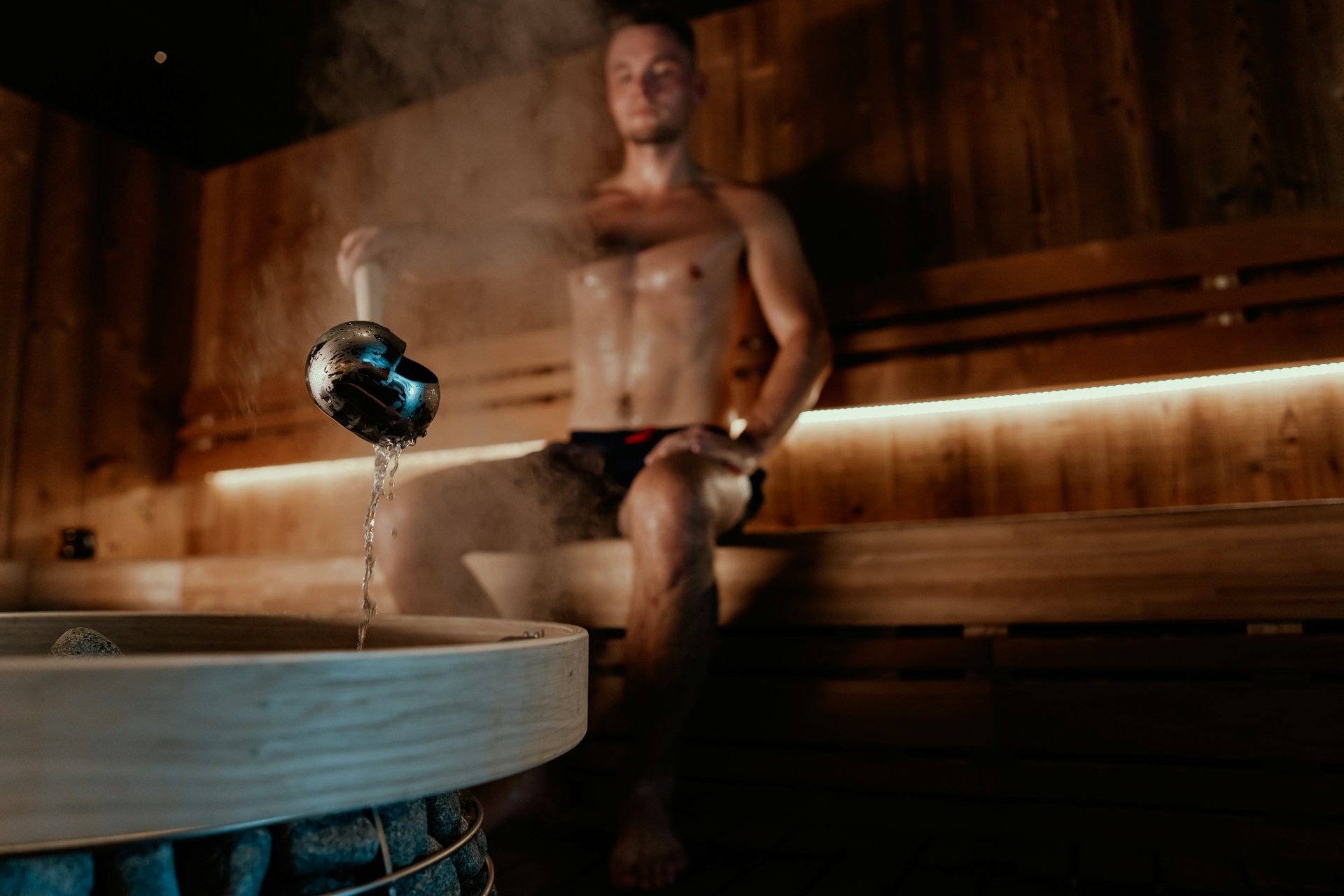
Sweating can have a limited but useful effect on mycotoxin removal. Saunas, epsom salt baths, and exercise can all take some of the load off the liver.
Fibre has also been shown to have a subtle but effective binding effect on toxins, your Christmas dinner sprouts are an excellent source!

Environmental vs. Internal Mycotoxin Exposure
We can either absorb mycotoxins from our environment or have them produced internally if we have a mould infection inside our bodies. The latter is rarer, usually affecting immunocompromised individuals, and can be more difficult to remove, sometimes involving anti-fungal treatment under the prescription and guidance of your medical practitioner.
Mycotoxins are a complex subject, but our bodies have evolved sophisticated ways to handle them. The liver does the heavy lifting but the process can be slowed by enzymes like beta-glucuronidase, so it’s important to include alternative pathways like binders and sweating to support the system. Awareness and careful management, under professional guidance, can make a real difference for anyone affected.
Next time I’ll explain how you can reduce your exposure to moulds and mycotoxins in your home by making changes to your diet and environment.
Wishing you all a very Merry Christmas, may your livers be merry & your toxins be light!
About the Author: Nick Walton-Cole (NA. Dip)