
A Sign of Yang Energy Imbalance in Traditional Chinese Medicine (TCM)
In Traditional Chinese Medicine (TCM), every physical manifestation on the body is viewed as a reflection of the body’s internal energy dynamics. One common yet often overlooked condition, interdigital maceration of the foot, can be interpreted as an imbalance in Yang energy, specifically linked to the Liver and Lung meridians.
Understanding Interdigital Maceration in TCM
Interdigital maceration refers to the softening, breakdown, and peeling of skin between the toes due to prolonged moisture, fungal overgrowth, or excessive sweating. While Western medicine attributes this primarily to fungal infections (athlete’s foot) or poor hygiene, TCM looks deeper, analysing the body’s energetic imbalance.

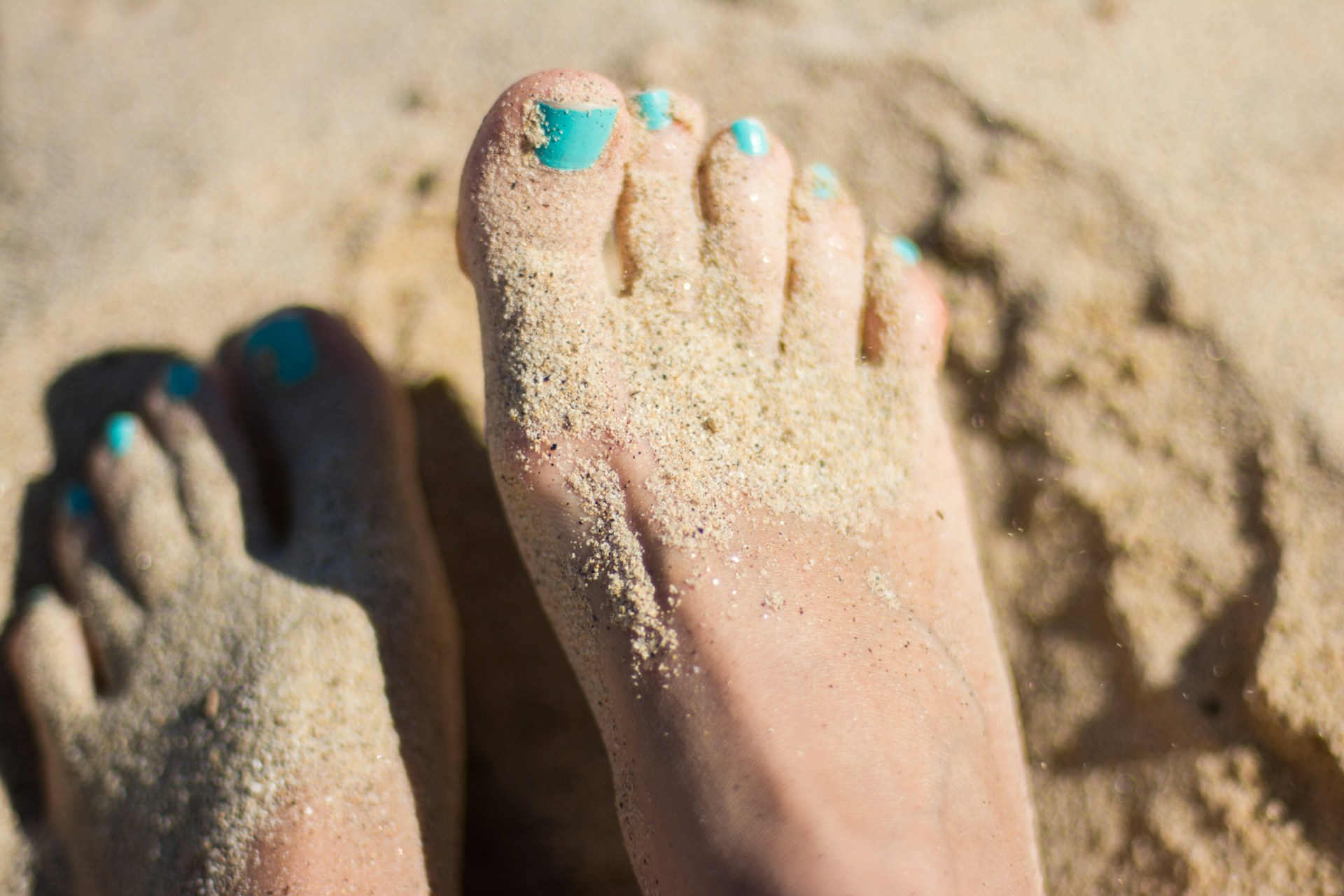
Photo by Vitaly Gariev on Unsplash
The Skin-Lung Connection: The First Sign of Internal Disharmony
In TCM, the skin is governed by the Lungs, which control respiration, immunity, and the body’s external defense (Wei Qi). When the skin between the toes becomes macerated, it can indicate a Lung Qi deficiency or imbalance, often triggered by excessive dampness or the inability to expel toxins properly.
This also connects with emotional health, as the Lung is associated with grief and letting go. If emotions are repressed, the energy stagnates, leading to weakened Wei Qi, skin vulnerability, and susceptibility to infections.
Liver Involvement: Yang Energy & Emotional Corrosion
The Liver, according to TCM, is responsible for the smooth flow of Qi throughout the body. It is closely tied to Yang energy, heat, and emotional regulation, particularly anger and frustration. When anger is not processed properly, it manifests physically—often as inflammation, acid sweat, or skin disorders.
- The foot is a key reflection of the Liver in TCM reflexology, particularly between the toes, where Liver meridian imbalances often surface.
- Acidic sweat, which contributes to maceration, is another sign of Liver disharmony, indicating excess Yang energy, which produces heat and inflammation.
- Yang excess, particularly when linked to the Liver, can cause internal “fire”, leading to skin issues such as peeling, inflammation, or fungal infections.
Symbolism of Interdigital Maceration: The Emotional Link
The location of symptoms in TCM is never accidental—it is a reflection of the deeper emotional or energetic issue at play. The spaces between the toes represent boundaries, decision-making, and the movement of Qi flow in the lower limbs. When these areas become damaged, it signifies an emotional or energetic blockage.
What this could mean in an individual:
- Unprocessed anger or resentment that “corrodes” one’s emotional well-being, just as the skin deteriorates.
- Difficulty moving forward or being stuck in a situation (as the feet represent movement and progress in life).
- Dampness retention, linked to unresolved emotions that are “weighing down” the system.

Photo by Ryan Franco on Unsplash
TCM Solutions: Restoring Balance
1. Regulating Liver Yang
- Herbal remedies: Herbs such as Chai Hu (Bupleurum) and Huang Qin (Scutellaria) help clear Liver heat and inflammation.
- Dietary therapy: Avoid excessive spicy, fried, and greasy foods that can aggravate Yang excess. Instead, consume cooling and detoxifying foods like cucumber, celery, and bitter greens.
- Acupuncture: Points such as Liver 3 (Tai Chong) help disperse excess heat and stagnation in the Liver channel.
2. Strengthening Lung Qi to Protect the Skin
- Breathwork and Qi Gong: Deep breathing exercises strengthen the Lungs and improve the skin’s protective function.
- Herbal tonics: Astragalus (Huang Qi) can boost Wei Qi and help skin recovery.
- Hydration: Drinking room-temperature alkaline water helps flush acidic waste from the body.
3. Managing Moisture & Dampness
- Keep the feet dry: Soak in warm water with mugwort or salt to reduce dampness.
- Use medicinal foot powders with Huang Bai (Phellodendron) to clear damp-heat conditions.
- Dietary changes: Avoid excessive dairy, sugar, and processed foods that contribute to internal dampness.
Conclusion
Interdigital maceration, while a common foot condition, is a powerful signal of underlying energetic imbalances. In Traditional Chinese Medicine, it is linked to Liver Yang excess, acidic sweat, and unprocessed emotions like anger or frustration. By addressing these imbalances through herbs, acupuncture, dietary adjustments, and emotional healing, it is possible to restore harmony to both the body and mind.
Recognising these patterns allows us to view symptoms as messages rather than mere inconveniences—an approach that aligns with the holistic wisdom of TCM.

References
- Maciocia, G. (2015). The Foundations of Chinese Medicine: A Comprehensive Text. Elsevier Health Sciences.
- Beinfield, H., & Korngold, E. (1991). Between Heaven and Earth: A Guide to Chinese Medicine. Ballantine Books.
- Ni, M. (1996). The Yellow Emperor’s Classic of Medicine: A New Translation of the Neijing Suwen with Commentary. Shambhala Publications.
- Dharmananda, S. (2002). “The Liver in Traditional Chinese Medicine.” Institute for Traditional Medicine.
- Zhang, Y., & Li, X. (2010). “Role of Liver Stagnation and Heat in Skin Disorders.” Journal of Chinese Medicine Research.
About the Author: Anna Brilli