
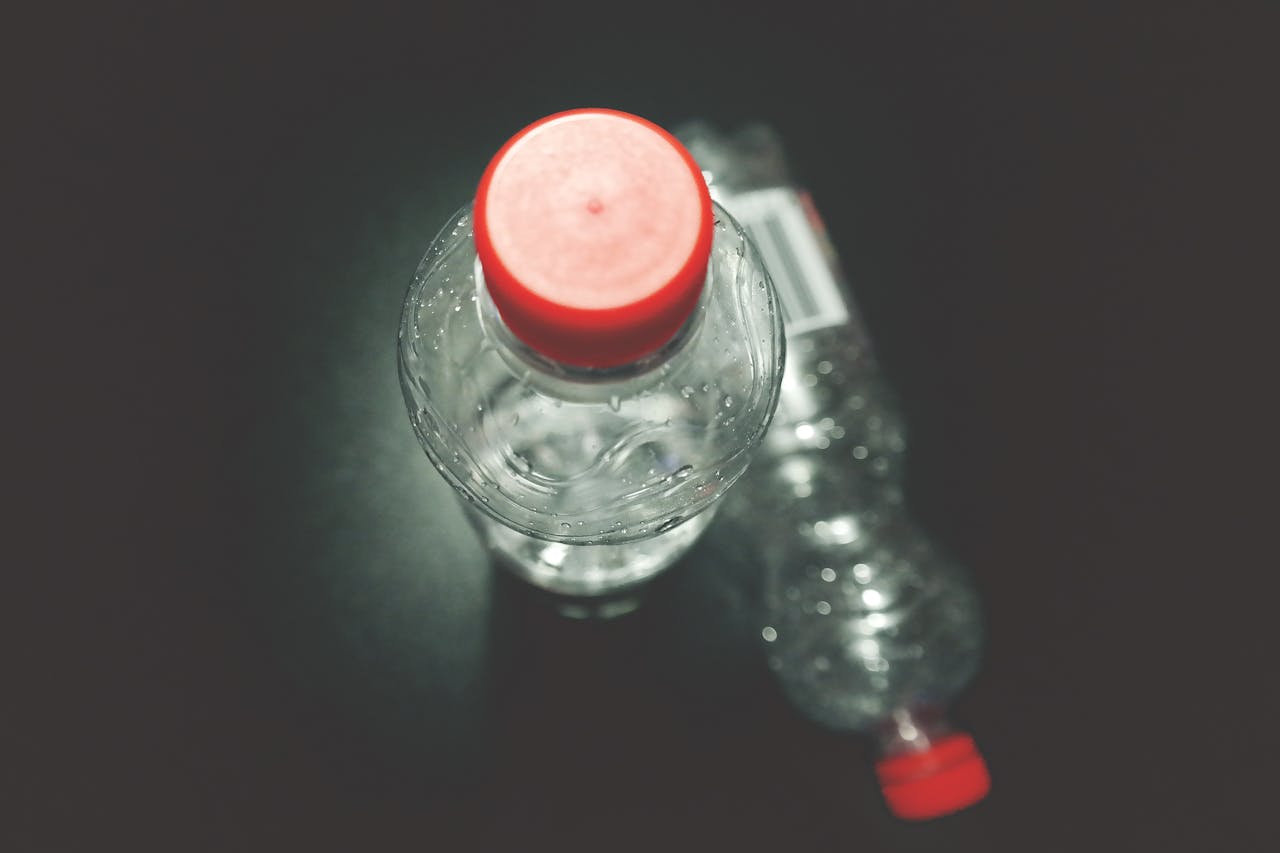
A Hidden Source of Nanoplastics & Health Concerns
Bottled water has long been marketed as a pure, clean, and safe alternative to tap water. However, recent studies reveal an alarming presence of nanoplastics in bottled water, raising significant health and environmental concerns. Nanoplastics, which are plastic particles smaller than 1 micrometer, have been detected in nearly every major brand of bottled water. These findings suggest that the convenience of bottled water comes at a hidden cost—contaminating our bodies and ecosystems with plastic particles.
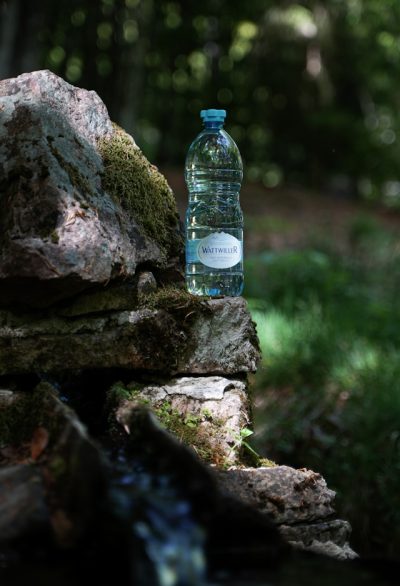
Photo by Izhak Agency on Unsplash
What Are Nanoplastics?
Nanoplastics are extremely small plastic particles (below 1000 nanometers in size) that originate from the breakdown of larger plastics or are directly introduced during manufacturing. These particles are so small that they can easily penetrate human cells, cross the blood-brain barrier, and accumulate in organs, raising concerns about their long-term effects on human health.
Scientific Evidence: How Bottled Water is Contaminated
A 2023 study published in the journal Proceedings of the National Academy of Sciences (PNAS) found that a single liter of bottled water contains, on average, 240,000 detectable plastic particles, with a significant portion being nanoplastics. This number is 10 to 100 times higher than previously estimated.
The contamination occurs due to multiple factors:
- Plastic Bottle Shedding – PET (polyethylene terephthalate) bottles continuously degrade, especially when exposed to heat, light, and storage time, releasing microplastics and nanoplastics into the water.
- Production & Packaging – During the manufacturing and bottling process, plastic fragments from machinery, seals, and caps can leach into the water.
- Storage & Transport – Exposure to high temperatures, such as bottled water sitting in hot delivery trucks or warehouses, accelerates plastic breakdown and increases contamination levels.
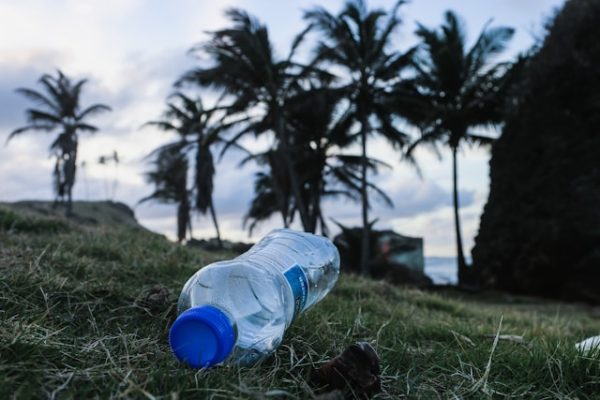
Photo by Brian Yurasits on Unsplash
Health Risks of Nanoplastics in Bottled Water
The long-term effects of ingesting nanoplastics are still under investigation, but existing studies suggest serious health risks:
- Cellular Toxicity: Nanoplastics have been found to penetrate human cells, causing inflammation, oxidative stress, and DNA damage.
- Endocrine Disruption: Many plastics contain BPA (Bisphenol A) and phthalates, known for disrupting hormone regulation, potentially leading to fertility issues and metabolic disorders.
- Neurotoxicity: Some studies suggest that nanoplastics can cross the blood-brain barrier, raising concerns about potential links to neurodegenerative diseases.
- Immune System Disruption: Research indicates that ingesting plastic particles may weaken the immune system, making the body more vulnerable to infections and diseases.
Environmental Impact of Plastic Bottles
Beyond human health, the widespread use of bottled water has catastrophic environmental consequences:
- Plastic Waste Crisis: Over 1 million plastic bottles are purchased every minute, with only 9% ever being recycled.
- Ocean & Wildlife Contamination: Nanoplastics from discarded bottles contaminate oceans and freshwater systems, endangering marine life and ecosystems.
- Carbon Footprint: Producing and transporting bottled water requires 17 million barrels of oil annually in the U.S. alone.
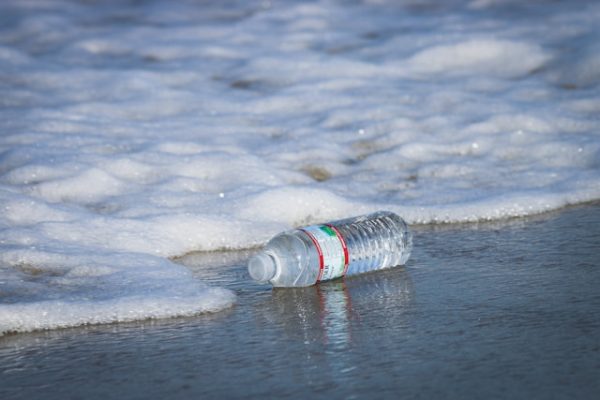
Photo by Brian Yurasits on Unsplash
Safer Alternatives to Bottled Water
Given the growing concerns over nanoplastics in bottled water, consumers should consider safer and more sustainable alternatives:
- Use a Home Filtration System – A high-quality reverse osmosis (RO) or activated carbon filter can remove contaminants while reducing plastic waste.
- Choose Stainless Steel or Glass Bottles – Avoid single-use plastics and opt for reusable, BPA-free alternatives.
- Drink Tap Water (Where Safe) – Many countries have strictly regulated tap water standards, making it safer than bottled water.
Bottled water, once considered the gold standard of purity, is now recognised as a major source of nanoplastic contamination. With emerging scientific evidence linking nanoplastics to serious health risks, it is crucial to rethink our dependence on bottled water and transition to more sustainable and healthier alternatives.
As public awareness grows, it is imperative for governments, health organisations, and the bottled water industry to take action in reducing plastic exposure, improving regulations, and encouraging eco-friendly hydration solutions.

References
- Zhang, Y. et al. (2023). High Nanoplastic Concentrations in Bottled Water. Proceedings of the National Academy of Sciences (PNAS).
- Leslie, H. A., et al. (2022). Human Exposure to Microplastics and Nanoplastics: A Critical Review. Environmental Science & Technology.
- Schirinzi, G. F., et al. (2019). Nanoplastics and Human Brain Cells: Neurotoxicological Implications. Frontiers in Environmental Science.
- Wright, S. L. & Kelly, F. J. (2017). Plastic and Human Health: Toxicological Concerns. Environmental Pollution.
- Galloway, T. S., et al. (2017). Microplastics in the Marine Environment: Impacts on Wildlife and Humans. Philosophical Transactions of the Royal Society B.
- United Nations Environment Programme (UNEP) (2021). The Plastic Waste Crisis and Its Environmental Impact.
- Pacific Institute (2022). The Carbon Footprint of Bottled Water: A Global Perspective.
Main – Photo by George Becker
About the Author: Anna Brilli