
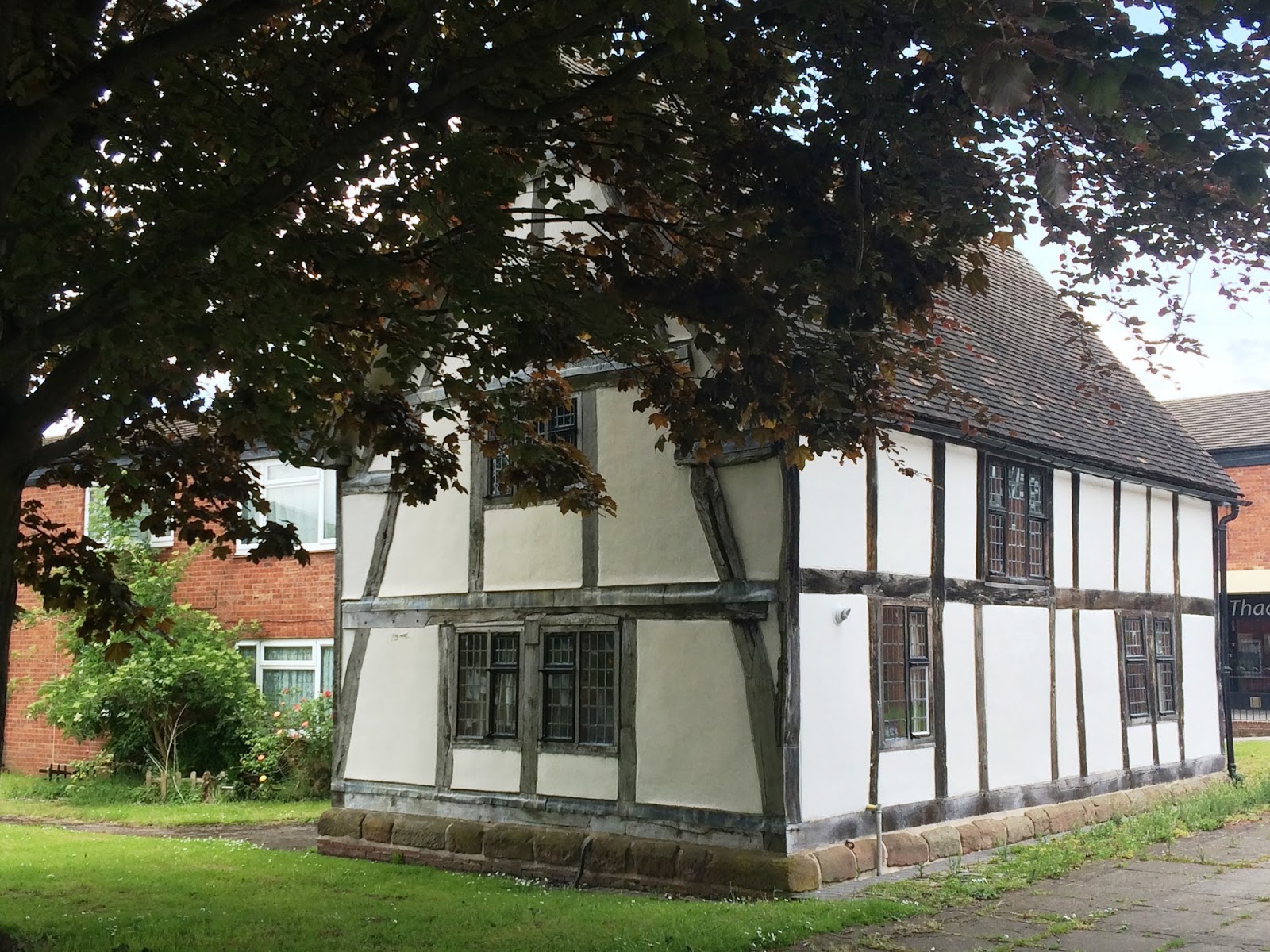
Beautiful Life Lessons From An Ugly Yoga Class
There are certain yoga classes that stick with you. Locked in the heart, registered and filed in the brain’s memory banks. As a qualified yoga teacher, I’ve learned by experience it’s not the meticulously curated, coordinated classes contemporaneous with our aesthetic-driven culture. It’s the weird and wonderful ones – a little bit rough and raw, and lovingly hapless. The classes that erase conformity and challenge our preconceptions about what yoga means in our modern lives. When we stop concentrating on the [relatively] material conventions of yoga classes, we strip them back to the vestigial principles and founding philosophies that make yoga so profoundly special.
Earlier this month, that’s exactly what a creased and crumpled class did for me.
Stuffed into a musty Medieval house – subsiding, asymmetric, and faithful to the pull of time – I instantly felt the throb of something curious thrumming in the air.
Was it heritage, lineage, or just pure existentialism?
The swarthy air a heady expedient for decades of dust, delightfully dancing within the glow of strip lights installed as part of its commercial renovation. But I felt the arms of the house tightly hugging its heritage and history, railing against its modern use. When I felt the crooked and creaky floor receding and weeping beneath my feet, I knew something special was lurking beneath. I was instantly beguiled. I was instantly curious about what this class – in this environment – would bring.
The most obvious and arresting realisation was how reliant upon material matter and straight-forward function I’ve become. Relatively regimented about my own practice, the crooked little house forced me to exercise unprecedented levels of surrender – even before the class began.
That morning, I frantically fought against the friction of modern technology versus the elements – ostensibly mother nature won with hooligan winds KO’ing my 5G connection. When I finally got back online, the studio’s website was down. A nostalgic nod to the dilemmas of demi-digital days gone by, I maniacally refreshed the page – abiding by Einstein’s theory of insanity. I didn’t want to be that person, not today. Rigid about needing to know everything, every minute of the day – it’s not plausible; it’s not healthy. Life is indiscriminate in its ebb and flow, so why should I expect my high-tech life to absorb the sound of that beautiful chaos? The predictability of schedule and order was lost in the ether, and I was even more excited about this class – and I had reason to be.
Stepping through the door and slipping out of my snow boots – the weather had some snap that deep-winter evening – I felt the tiny bones in my toes rattle and chatter as I manoeuvred into what I presumed was once the main living area of this angled abode. The lofty ceiling sloped into a prominent point and the bare bones of the roof’s architecture could still be seen. Lovingly lining the room, exhausted battery-powered candles furiously flickered beneath a more recent, but equally fossilised, layer of dust. I could almost hear them whining beneath it. But they remained faithful faros adding to the enigmatic eeriness of the space. An inanimate reminder that beauty shines in the dankest, darkest corners. No matter how concealed or dampened, true beauty radiates at any level it can. Second lesson learnt.
A newcomer to this class – and being the first week of January – I expected it to be buzzing with bodies eager to cast the layer of indulgence they’d accumulated over the festive period. Attendance was scanty, yet the teacher was at ease and unfazed by this – one of the greatest lessons I’ve personally learned as a teacher: teach one person exactly as you would a full class. A sentiment that seems to have been swallowed by yoga’s hungry business underbelly.
Propped up on a block, she welcomed me warmly. In more recent years, even connected teachers have failed to welcome me into a class and have shown signs of distress when their numbers flail. For me, failure to acknowledge each student demonstrates the sterileness that comes with the incorporation of profit. Fairly immune to the strictures small cohorts can cast upon a class, I momentarily felt uneasy. Surrender slipped and I donned my armour. As the newbie, I immediately defaulted to feeling self-conscious about potentially being closely observed.
All too often, I’ve felt exposed when starting a new class. Competition and threat run rife in yoga classes – the antithesis to true yoga. But not in this one. Chuckling about still running on chocolate as a main fuel source, my peers were a refreshing relief as we engaged in conversation, causing the class to start late – and signifying a pertinent sense of community, non-judgement, and acceptance; shirking the convention of competitive cliques usually coagulated in corners of classes.
The weight of the building’s history also provided a sense of community. In yoga, we concentrate on ourselves in the present moment but, by eschewing how we are rooted in the past, we negate our real experience in human existence. Coveting the links that have connected to make us who we are create an accidental community. Within this, we forge freedom. The Psychotherapist Rollo May postulated this in his 1981 essay – Freedom & Destiny – that we need some limitations to find freedom. Without no limits – past and present – we might not find something meaningful to widen our reach within – if we were only in this moment, with no restrictions and nothing in the rearview mirror or front windshield, we would free in the sense of unlimited and unburdened, but really rather devoid of meaning. So, by acknowledging the wonderous history of the environment, I found a particular kind of freedom in my body and my mind throughout the class.
By the time I reached savasana, I felt renewed unity with myself and a sense of satisfaction in not succumbing to the discomfort supplanting my practice usually brings. So, settling in for a few moments of solace, I was surprised at my reaction to a group of lads passing by the crooked little house.
Swaddled in my blanket beneath the moonlit window, the sounds of the outside world trickled by until I noticed distant discordance. The sound slightly ambushed me but I was committed to all the beautiful lessons I’d thus far cultivated. In the thrum of their profane banter, I barely even responded. I practiced what I have preached to others for so long – resilience.
In the safety of modern yoga studios, we’re usually isolated from the various worldly elements. Not just nature, but the general domain of life. Relaxing, yes. But, often, returning to regular existence can be startling, alarming, and disorienting. It can refresh one’s perspective of the world, but I’ve never felt it’s necessarily a positive one. Bursting the bubble of peace and serenity so sharply can have a polarised effect –increasing harboured aggression and dormant distress.
Their incogent banter also cemented within me the softness and strength yoga teaches us – known as Sthira-Sukha. Usually attributed to mind and body, I always feel it can be inserted into many attitudes and convictions we have towards others and our environments. Softness to fellow human behaviour – pliable and elastic as a way to acknowledge and respect our differences – achieved through the strength to resist others’ nature and manner entering our domains. We exist in our own space and have agency only over ourselves and the space we occupy. Within that, we have the freedom to make choices about how we conceive that space and anyone who enters it. If we treat others and ourselves with equal measures of kindness, we can fortify the environment as a frontier for greater opportunities to exist in peace with each other.
In just over an hour, the rawness of this swarthy, sullen space helped me review and reconstruct my own convictions of what it is to be in my space and how yoga supports me to make it a more productive little network to bubble about in – exhibiting kindness to others, conjuring the strength to find freedom in my own domain – mind and body – and softening into the will of the world. Because just like the crooked little house, life is dishevelled and asymmetrical. And if we challenge our conceptions of how we interact with everything around us – and lean a little bit to the side – we might just change our lives and the world.
Main – Photos by Katie Marie Fuller
About the Author: Katie-Marie Fuller