
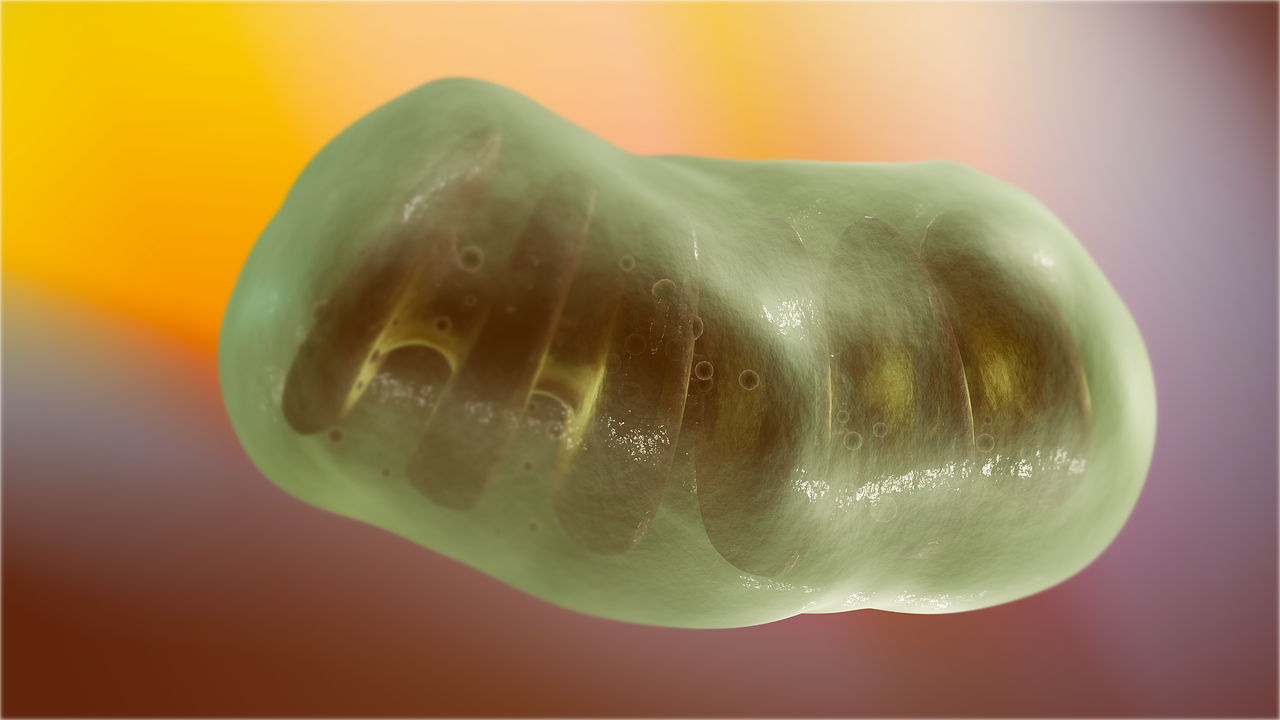
Mitochondria are the parts of our cells that produce the energy that powers everything we do. That energy comes in the form of adenosine triphosphate (ATP). Right now, ATP is fuelling my neurons firing as I search for these words and the tiny muscles in my wrist and fingers contracting as I type them.
If mitochondria and ATP are this fundamental to daily life, it makes sense to ask a simple question: how can we optimise our energy production each day?
ATP can be produced from several different sources. Fats, glucose (carbohydrates), and even amino acids (protein) can all be converted into the raw materials our body uses to make energy. These nutrients are ultimately transformed into Acetyl-CoA, which feeds directly into the mitochondrial energy cycle.
Think of it this way: ATP is the heat warming your home, Acetyl-CoA are the logs being delivered to the fire, and the mitochondria are the wood-burning stove itself. If the logs are damp or the stove is poorly maintained, the house begins to cool—fatigue, brain fog, slow recovery, and aching muscles are often the first signs.
Looking after mitochondrial health therefore means three things:
• Supplying the right fuels.
• Providing the vitamins and minerals that help convert those fuels into Acetyl-CoA.
• Protecting the mitochondria from damage so they can keep producing ATP efficiently.
Getting the right balance
Fat generally has a bad reputation. We are told to limit it at every opportunity and that low-fat options are best. Fat is not the bad guy and is essential for many of our bodily functions, including producing our energy (ATP). Fat can produce 3–4 times more ATP than glucose and without the waste and damage caused by excess sugar.
Think of fat like an oak log on your fire, giving off lots of heat for a long time.
Choosing the fattier cut of meat such as a chicken leg means you get a little more fat for steady energy, and it is also the part of the bird that has worked hardest during life. Those working muscles had lots of mitochondria and so are naturally richer in the nutrients like carnitine, B-vitamins and minerals that help our own mitochondria keep their stoves burning well.

Image created by Nick Walton-Cole
Providing the vitamins & minerals
Food alone is only the raw material; vitamins and minerals are the workforce that turn those ingredients into acetyl-CoA and ultimately ATP. The most important is vitamin B5 (pantothenic acid) the backbone of CoA itself. Without enough B5 the body has fuel in the tank but no way to load it into the mitochondrial furnace.
B1, B2, B3 and B6 and Magnesium are all essential in ATP creation, and low magnesium is one of the commonest reasons people feel tired despite eating well.
From a food perspective this is simply real food, traditional choices: eggs, fish, meat on the bone, lentils, mushrooms, leafy greens, nuts and seeds. These provide the co-factors in the form our bodies recognise. Supplements can help, but they work best as a safety net, not a replacement. When we have these nutrients in place, the same meal produces far more usable energy.
Remove the Brakes
During the process of producing ATP the system can become clogged with debris that slows the process or, at worst, damages our mitochondria, leading to fatigue, inflammation and potentially conditions such as arthritis.
The clogging usually happens due to excess raw materials, particularly refined carbohydrates. Sugar is sneakily added to many foods and drinks; it is cheap for manufacturers to produce but costly for our metabolism. Too much of it is like throwing birch logs onto the fire – there is plenty of flame, but also a lot of dirty smoke and debris.
We can avoid this damage by consciously reducing sugar intake and eating more vegetables along with protein and healthy fats at each meal. This slows the digestion of carbohydrates and helps keep blood sugar stable, giving the fireplace a steadier supply of logs.
Exercise also helps to clear the stove of debris. As little as 20 minutes, four times per week improves how our muscles handle fuel and keeps the mitochondrial fire drawing properly.
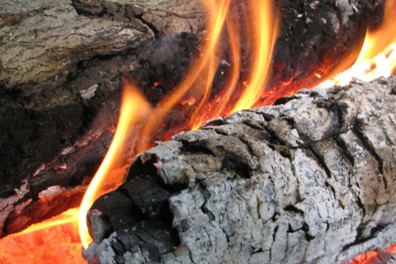
Image created by Nick Walton-Cole
Keeping the Home Fires Burning
Caring for mitochondrial health is much like looking after the heating of a home. Bring in quality logs, make sure the delivery of vitamins and minerals helps the fire to draw properly, and avoid filling the stove with rubbish. When we do that, the house stays warm, energy becomes steadier, thinking clearer, recovery quicker, and everyday life seems easier.
Main – Image by Lakshmiraman Oza from Pixabay
About the Author: Nick Walton-Cole (NA. Dip)