
How to Ease Constipation & Calm Nerves
If you’ve landed here because your guinea pig has had a fright and now they’re hiding, barely eating, and you’re watching the poop situation like a hawk… I get it.
This is one of the most stressful things guinea pig guardians go through, because it can feel like everything changes overnight:
One day they’re pottering about, munching hay like it’s their full-time job…
and the next they’re frozen in a corner, not eating properly, and you’re counting droppings like your life depends on it.
This post will help you make sense of what can happen when a guinea pig is not eating after a scare, and how stress can link in with constipation / reduced pooping. I’m also sharing a real case study at ‘Pudding’, a little skinny pig who had a night-time fright and then became withdrawn, ate less, and showed constipation signs.
Quick but important note: Guinea pigs can go downhill fast if they stop eating. If your guinea pig isn’t eating normally, is very quiet, looks painful, or droppings have reduced a lot or stopped — contact a vet promptly. Always.
Signs your guinea pig isn’t eating normally (& why it matters)
“Not eating” doesn’t always mean they’ve stopped completely. Often it’s subtler than that, they might stop eating hay properly (which is usually the first big clue), take one bite and then give up, ignore their favourite bits, or sit near food without really chewing. You may also notice they’re quieter than normal, hiding more, and staying in one spot. And here’s the thing: with guinea pigs, eating is what keeps the digestive system moving, so when appetite drops, poops often drop too, sometimes surprisingly fast.
Have you ever wondered if plant remedies and flower essences can support small animals like guinea pigs?
Meet Pudding, a cheeky 2-year-old Skinny (hairless) Guinea Pig, who recently showed us just how powerful natural remedies can be for stress, digestion, and emotional balance.
“My guinea pig isn’t pooping” — what constipation can look like
People use “constipation” in different ways, but what guardians usually mean is that there are fewer droppings than normal, the droppings become smaller and drier, there are longer gaps between them, or you notice straining and repeated attempts to pass something. Sometimes it’s more of a general feeling that your guinea pig looks uncomfortable, a tense belly, a tight posture, that “not settled” vibe. With Pudding, it started as fear and hiding… then his appetite dipped… and by day two, those constipation signs were there too.
Why a scare can mess with appetite & digestion?
Guinea pigs are prey animals. When something scares them, especially something sudden at night, the nervous system can go into full protection mode:
freeze → hide → stay small → don’t draw attention
That can look like a guinea pig sitting very still, staying tucked into one corner, avoiding open space, and generally acting “shut down.” And when the nervous system gets stuck in that protective state, digestion can slow too, eating doesn’t feel safe, movement doesn’t feel safe, and everything tightens. That doesn’t mean it’s “just stress” (pain and illness can look very similar), but it does help explain why some guinea pigs stop eating properly after a fright and then end up with a poop problem.
Photo by Bonnie Kittle on Unsplash
What to do first (before you try to “fix constipation”)
If your guinea pig is not eating after a scare, the safest order is:
1. Check for urgent red flags
Please get veterinary help quickly if:
- They’re not eating at all (or barely eating)
- Droppings have stopped or dramatically reduced
- They’re lethargic, hunched, tooth-grinding, or bloated
- They look in pain or “not present”
2. While you’re calling / waiting: bring the stress down
Keep it simple:
- Warm, quiet, low drama
- Hay always available
- Fresh water easy to reach (sometimes multiple bowls helps)
- Minimal handling
- Extra hideouts so moving around doesn’t feel risky
Sometimes the biggest “constipation support” is simply helping the body feel safe enough to start moving again.
How to calm the nervous system after a fright?
If the scare happened in the enclosure, your guinea pig might now think a particular area is dangerous.
So rather than forcing them to “just go there,” try:
- Add extra hides and tunnels (movement feels safer)
- Reduce big open areas temporarily
- Keep evenings calm and predictable
- Avoid sudden strong smells or loud noises near the cage
- Keep routine steady (same feed times, same gentle voice)
Think: rebuilding safety, not “training them out of it.”
Pudding’s story
Pudding hadn’t had the easiest start in life. He and his companion, Treacle, were adopted from a home where they’d received poor care. Underweight, with overgrown claws and a strong smell of cigarette smoke, they needed a lot of love to get back on track.
After some initial challenges (the pair had to be housed separately to avoid fighting), both began to thrive in their new home. Despite being partially sighted, Pudding had always been adventurous and curious, so this sudden behaviour change showed his guardian he needed help.
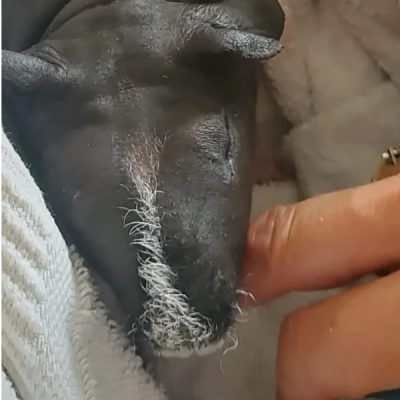
Photo by Kirsty McIvor
Meridian Imbalances
Using a Meridian Balance Assessment, I found imbalances in several of Pudding’s meridians, particularly the large intestine meridian, which is often linked with constipation and holding on to past stress or trauma.
These findings matched his physical symptoms (constipation, reduced appetite) and his emotional state (fear and withdrawal).
Supporting Pudding with Plant Remedies
To gently support Pudding, we offered him natural remedies through self-selection:
- Neroli essential oil (in hemp seed oil) → calming, uplifting, and grounding after shock.
- Roman Chamomile hydrosol → soothing for digestion and stress.
- Flower essence blend including:
- Cherry Plum – for calm and self-control
- Cerato – for confidence and trust in himself
- Star of Bethlehem – for shock and emotional release
These were offered in ways Pudding could choose (cloths in his enclosure, a separate water bowl), so he remained in control of what he needed.
The “Trancing Piggy” Moment
When Pudding inhaled the diluted Neroli oil, something fascinating happened; he went into a trance-like state for around 10 minutes, sniffing the air and yawning. This showed he was processing the oil deeply and using it to release stress.
Afterwards, he relaxed, munched on hay, and began exploring further into his enclosure than he had since the incident.
What happened next?
The very next day, Pudding’s constipation eased, his appetite returned, and he was once again roaming his enclosure “like nothing ever happened.”
His guardian later shared:
“He has drunk a lot of his flower essence water! Eaten quite a bit of hay and is now out of the corner! Wahooo!”
“He is out and about using the whole damn cage Kirsty, first time since the event!”
“How wonderful is that, he has yawned three times while sitting in bed next to his aromatic cloth’s, he is acting like it never went wrong!”
Pudding’s story is a lovely reminder that even the smallest animals can find real comfort and support from gentle remedies like aromatics and flower essences, as long as they’re offered safely and with care. It also shows just how much stress can affect digestion, something that’s especially true for sensitive little prey animals like guinea pigs. Most of all, it proves that when we give our animals the chance to choose what they need, they really can guide their own healing in the most amazing ways.
Want support for a guinea pig who’s hiding, stressed, or “not themselves”?
If you’d like help using a calm, choice-led, natural approach — looking at environment, stress load, digestion, and what your guinea pig is communicating, you can book a consultation and we’ll map out the next best steps together.
Thank you so much for reading Pudding’s story. If you know another guinea pig (or any animal!) who could benefit from natural stress and digestive support, please share this story. Every little one deserves to feel safe, happy, and balanced.
FAQ’s
Can a scare cause constipation in guinea pigs?
It can contribute — because fear can reduce eating and movement, and when a guinea pig eats less, droppings often reduce quickly too. That said, pain or illness can look very similar, so it’s always worth ruling out medical causes early, especially if droppings are very reduced or stop.
How long can a guinea pig go without eating?
Not long. Guinea pigs rely on frequent eating to keep the gut moving, so any noticeable drop in appetite should be taken seriously. If your guinea pig isn’t eating properly (even if they’re nibbling a little), or droppings have reduced a lot, get veterinary guidance promptly.
What are the red flags that mean I should call the vet urgently?
If your guinea pig stops eating, produces very few or no droppings, seems bloated, very lethargic, hunched, tooth-grinding, breathing differently, or looks in obvious pain, it’s safest to contact a vet urgently. When in doubt, call — it’s always better to be cautious with guinea pigs.
What can I do at home while I’m waiting for the vet?
Keep things calm and simple: keep them warm, reduce noise and handling, offer unlimited hay and easy access to fresh water (a bowl can help if they’re not using a bottle), and make sure they have hides so they feel safe. Avoid forcing anything into their mouth unless a vet has instructed you to.
How can I calm my guinea pig after a fright?
Think “safety and predictability.” Add extra hides/tunnels, reduce open space temporarily, keep nights calm and consistent, and avoid sudden smells or loud sounds near the enclosure. Gentle presence and routine often do more than people realise.
Are aromatics or flower essences safe for guinea pigs?
Guinea pigs are very sensitive, so if you use supportive remedies, they need to be offered with care and knowledge: tiny amounts diluted, good ventilation, and most importantly choice (so the guinea pig can move away). Never force exposure, and avoid strong scents in enclosed spaces. If your guinea pig is unwell, always prioritise veterinary guidance first.
About the Author: Kirsty McIvor