
What’s Normal, What’s Not!
How to tell the difference between seasonal change and a sign something’s off!
If your floors, sofa, and favourite black leggings have suddenly become a fur museum… hello March.
Spring shedding is completely normal for most dogs and cats. As the days get longer and the light changes, the body gets the memo that winter is on its way out, and the coat starts shifting. For some animals it’s a slow drift of fluff. For others it’s full-blown tumbleweeds.
But I know the feeling I get from clients at this time of year: “Is this just spring doing spring things… or is something a bit off?” Let’s make it easier to tell the difference.
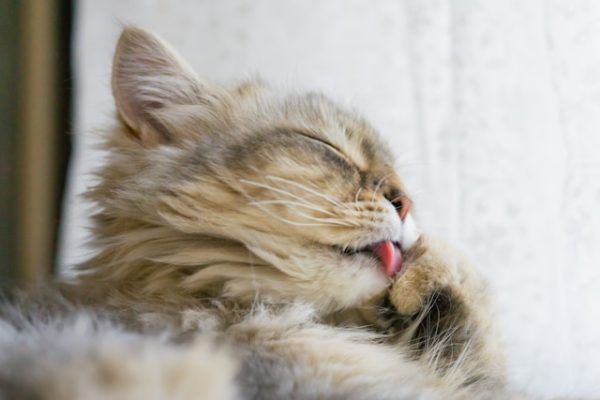
Photo by Alexander von Schulz on Unsplash
Why Spring Shedding Happens
A lot of people assume it’s temperature that drives shedding, but day length plays a big role too. More light can mean changes in the body’s rhythm, and the coat responds. If your dog or cat spends a lot of time indoors, you might feel like they shed all year anyway… and you’re not wrong.
Indoor heating, artificial light, and indoor routines can blur the seasons for them, so you often get a steady background shed with a couple of spikes when the seasons shift. And spring can feel particularly “loud” because there’s more going on in general — more stimulation outside, more smells, more life, more movement.
What’s Normal
Normal spring shedding usually looks like:
- More hair coming out on brushing
- More fluff on bedding
- A coat that looks a bit dull or “in-between” for a short while, then settles into something sleeker
- A little more dander (not always, but sometimes)
- A little more scratching, loose hair can feel irritating as it shifts out
The key is that everything else still looks fairly steady. Your dog or cat is basically themselves — sleeping okay, eating normally, and their skin isn’t sore, angry, or breaking down.
What’s Not Normal
This is where we stop guessing. Seek further support if you notice:
- Red or inflamed skin underneath the coat
- Bald patches, hotspots, scabs, or a yeasty smell with greasy coat
- Licking, chewing, scratching, or rubbing that becomes a daily obsession
- Shedding alongside bigger changes: restless sleep, moodiness, clinginess, hiding, sudden reactivity, or appetite changes
If anything feels sudden, intense, or unusual for your animal, get your vet involved to rule out medical causes first.
The TCM Perspective on Shedding
In Traditional Chinese Medicine, the skin and coat are linked to the Lung system, which sits in the Metal Element — including the idea of the body’s protective layer. When that layer is strong, skin tends to be calmer and the coat has a steadier shine. When it’s under strain, we see dryness, sensitivity, itch, and bigger seasonal wobbles.
Spring also brings Wood energy. If you’ve ever noticed your animal getting a bit more “on edge” in spring — more reactive, more restless — that Wood movement can be part of it. In TCM, spring is associated with Wind, which can show up on the skin as itch that comes and goes, shifts around, or flares suddenly.
When shedding feels “too much,” I often look at this triangle:
- Metal — skin and protection
- Earth — digestion and nourishment
- Wood — spring movement and tension
Not as a diagnosis — just as a way of making sense of what you’re seeing.
Why Shedding Can Feel Worse Than Usual
Sometimes the skin barrier is already a bit irritated and spring shedding simply exposes it. Dry indoor air can play a role. So can bathing too often, using something too harsh, or using lots of products when the skin is actually asking for less.
Sometimes the gut is slightly off. Not dramatically, just that mild ongoing wobble of soft stools, gassiness, picky appetite, occasional vomiting, hairballs, or the sense that food isn’t landing as well as it could. When digestion is under strain, the coat often shows it.
And honestly, sometimes it’s stress load. Spring is stimulating, more dogs out, more noises, more smells, more activity. Even good excitement is still stimulation. For sensitive animals, spring can tip them into restlessness, itching, or behavioural wobble.
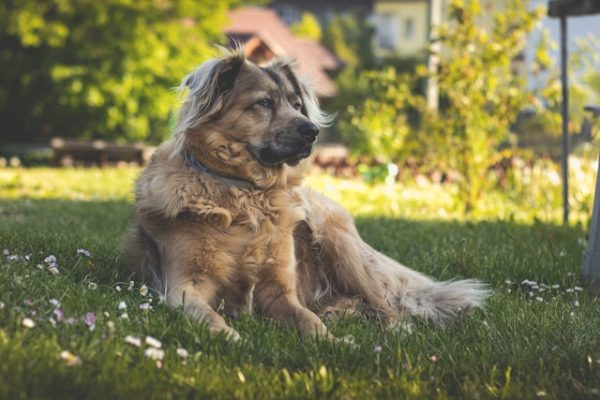
Photo by marieke koenders on Unsplash
Holistic Solutions for Shedding
Brush Little & Often
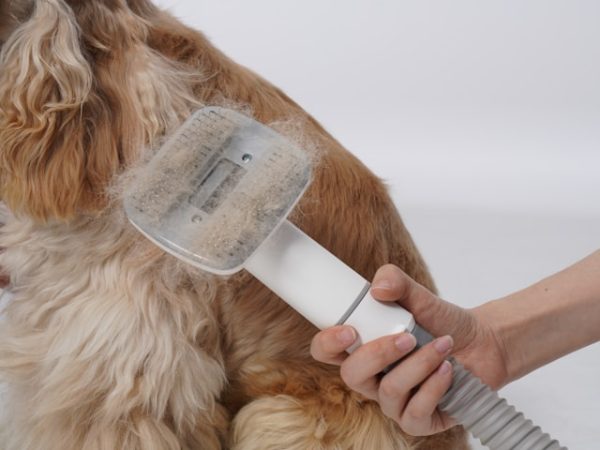
Two minutes a day for a week is kinder than one long grooming session that leaves the skin sore and the nervous system overstimulated. If grooming is stressful for your animal, that’s information — adjust the setup, go slower, and support regulation alongside it.
Bathe Less, Not More
Over-bathing can strip oils and leave the skin feeling raw, which makes itching worse. If you do bathe, keep it gentle, rinse thoroughly, and dry properly.
Support Hydration
Cats especially can benefit from extra moisture support. If your cat is shedding heavily and you’re also seeing more hairballs or dry coat, look at moisture and nourishment. Small, steady shifts beat dramatic changes.
Reduce Fragrance Load
Plug-ins, strong cleaning sprays, laundry scents, candles, and diffusers can be a lot for sensitive animals. Reducing fragrance for a couple of weeks can make a bigger difference than people expect.
Build Nervous System Deposits
With dogs, decompression walks where sniffing is the point (not marching). With cats, a more predictable routine, quiet “choice zones,” and less disruption. It’s boring advice, but it works.
Dogs vs Cats: What to Watch For
Dogs: Shedding often comes with more rolling, rubbing, or scratching. Some of that is simply a coat transition. But paw chewing, belly licking, ear redness, hotspots, or that “can’t settle” energy is worth looking deeper than grooming.
Cats: The big one is overgrooming. If your cat is licking one area repeatedly, thinning the coat, leaving bald patches, or seems tense and restless, treat that as communication. Cats are masters at hiding discomfort — coat changes can be one of the few obvious clues you get.
When a Holistic Consultation Helps
If you’re stuck in that grey zone of “maybe it’s normal, but I’m not sure,” you don’t have to figure it out alone. This is exactly where holistic work can help: joining the dots between skin, digestion, stress load, environment, and your animal’s constitution.
Spring shedding is normal. And it’s also a moment where the body speaks louder than usual. Sometimes it really is just seasonal change. Sometimes it’s the skin barrier, the gut, or the nervous system asking for support. Either way, calm, simple steps go a long way.
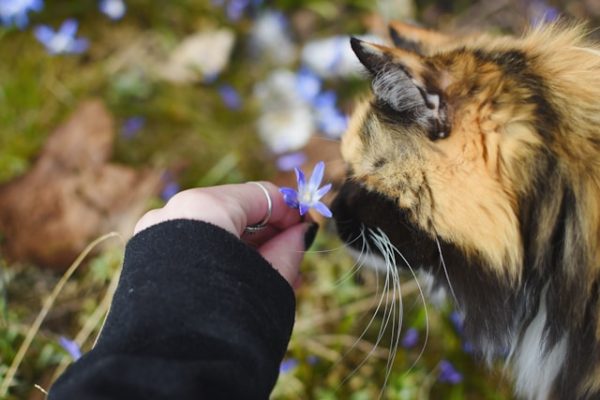
Photo by Sofia Holmberg on Unsplash
Frequently Asked Questions
How long does spring shedding last?
Usually a few weeks, but it depends on coat type, whether your animal lives mostly indoors, and how quickly the weather and daylight shift. Some dogs do a big “dump” of coat, while indoor cats can shed more steadily all year with spring peaks.
Is it normal for my dog to shed in clumps?
Some dogs do shed heavily and it can come out in chunks when you brush, especially with thick undercoats. But if it’s coming out in clumps and the skin underneath looks red, sore, scabby, or your dog is very itchy, that’s a sign to look deeper.
Why is my cat shedding so much if they’re an indoor cat?
Indoor cats often shed year-round because heating and artificial light blur the seasons. Spring can still bring a bigger shed though. If your cat is also getting more hairballs, dry skin, or overgrooming, it’s worth supporting hydration and looking at stress and digestion.
My dog is shedding and scratching — is that allergies?
It could be, but it isn’t always. Spring shedding can feel itchy all by itself because loose hair irritates the skin. The clue is intensity: if scratching/licking becomes frequent or obsessive, if there’s redness, hotspots, ear flare-ups, or broken skin, then it’s time to investigate rather than assume it’s “just shedding.”
My cat is shedding and licking themselves constantly — is that normal?
Sometimes yes… but cats can also overgroom when they’re stressed or uncomfortable. If your cat is licking one area repeatedly, thinning the coat, leaving bald patches, or seems more tense than usual, treat it as communication and look at the whole picture.
What helps reduce shedding quickly?
The “quickest” helpful thing is usually gentle, consistent brushing rather than one big grooming session. Two minutes a day can make a huge difference. Beyond that, supporting skin barrier health, hydration (especially for cats), and reducing irritation helps more than chasing “miracle de-shedding” products.
Should I bathe my dog more when they’re shedding?
Usually, no. Over-bathing can strip the coat and irritate the skin, which can make itchiness worse. If you do bathe, keep it gentle, rinse well, and dry properly.
Does stress affect shedding?
Yes. Stress can show up through skin, coat, digestion, and behaviour. Spring is a big transition time, so sensitive animals can wobble. Supporting regulation and routine can make coat changes feel a lot smoother.
When should I speak to my vet about shedding?
If you notice bald patches, broken skin, sores/hotspots, intense itch, a strong odour, sudden coat change, lethargy, weight changes, or changes in drinking/urination — those are vet-check signs. Trust your gut.
What’s the TCM/Five Elements link to shedding?
In Traditional Chinese Medicine, skin and coat link strongly with the Metal element (Lung system and protective “Wei Qi”). Digestion (Earth) often affects what the body can build and nourish, and spring (Wood/Wind) can stir itch and sensitivity. It’s a useful lens for spotting patterns, not a label for your animal.
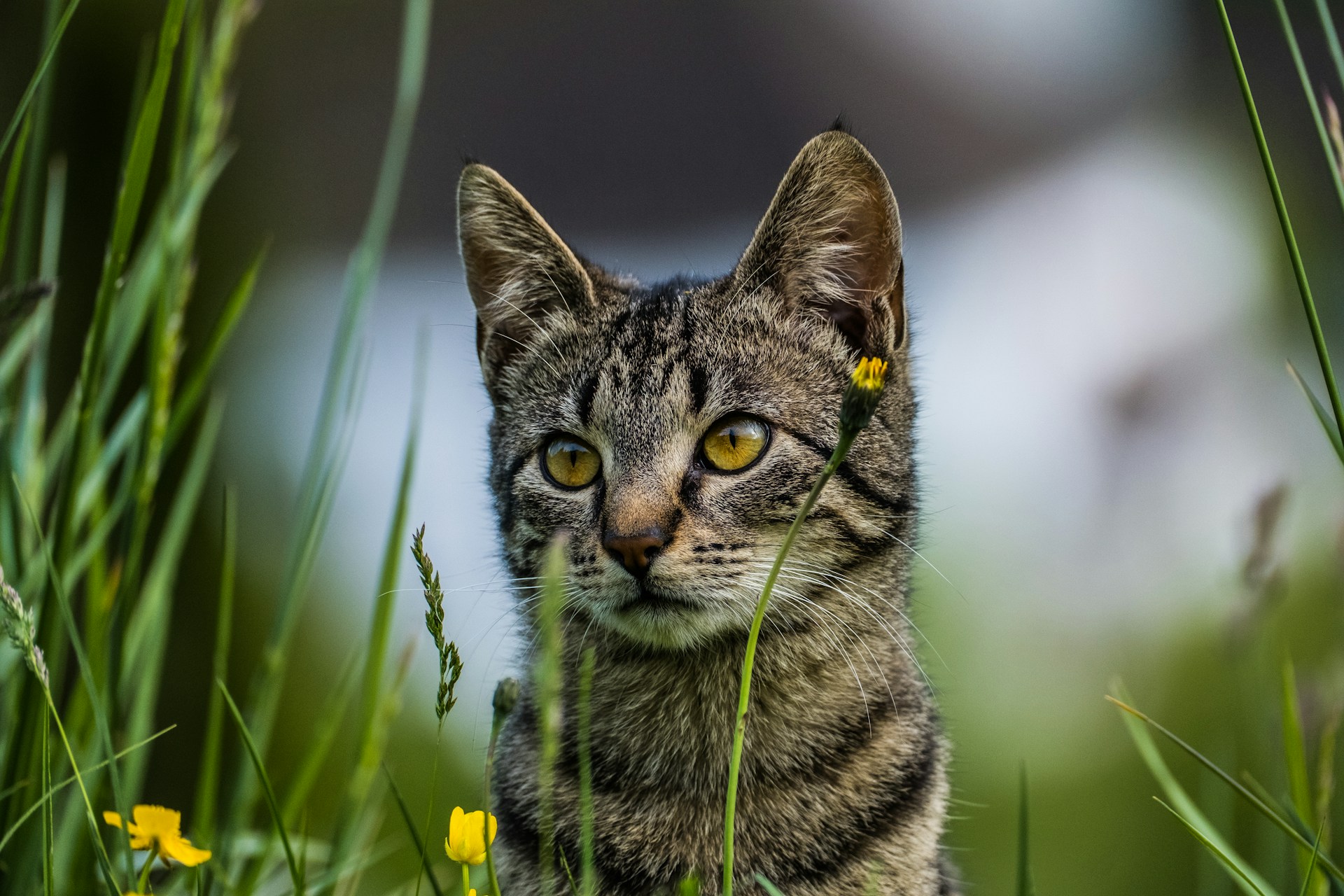
Main – Photo by Matthias Speicher on Unsplash
About the Author: Kirsty McIvor