
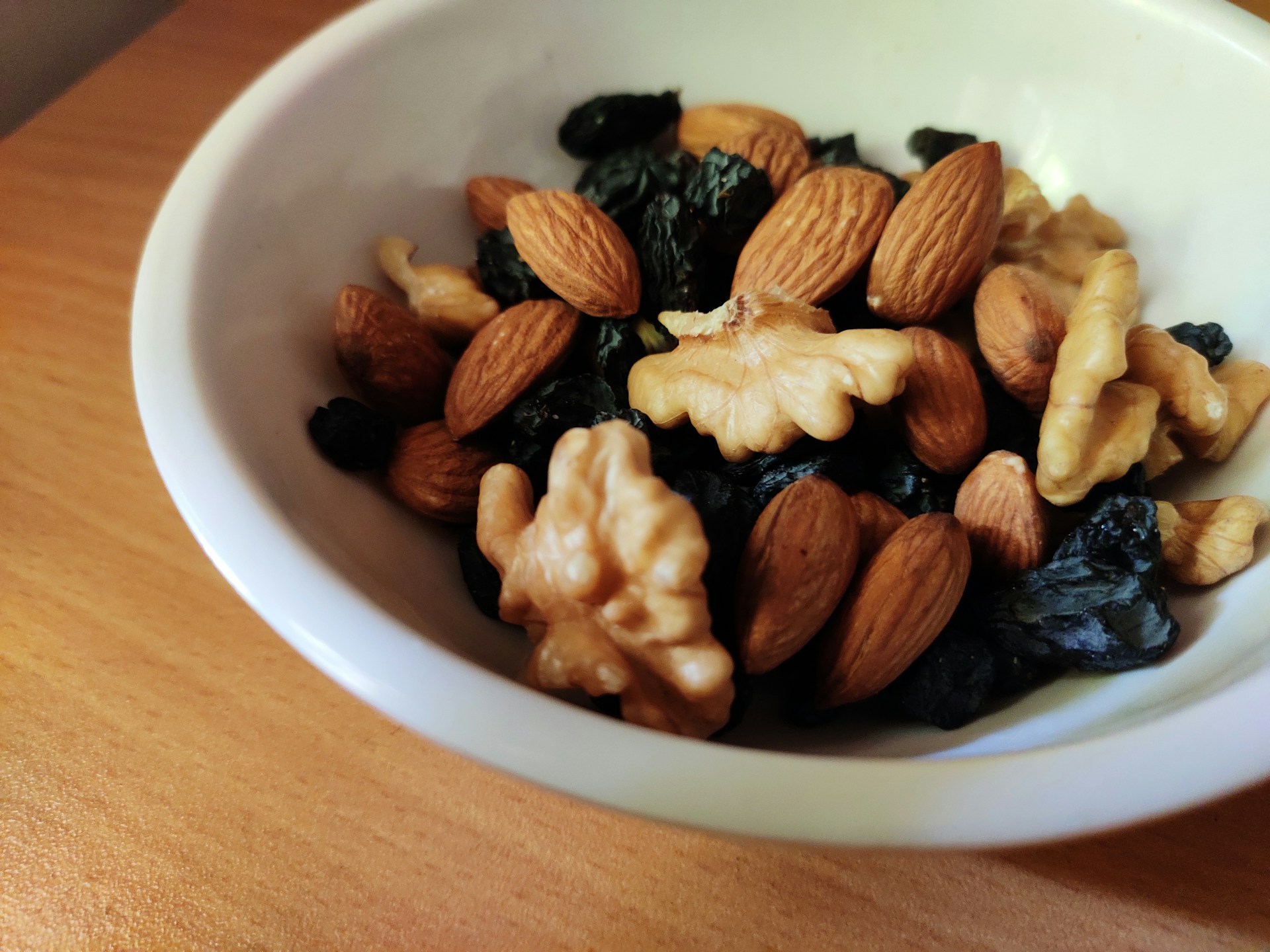
The Truth (Best & “Worst” Nuts)
For a long time, I was actually afraid of nuts.
I would avoid them completely because in my head it was simple:
fat = weight gain.
I remember standing in my kitchen one day, picking up a bag of almonds… and then putting them back. I genuinely thought, “These will make me gain weight.”
So instead, I’d choose something “low-calorie”…Something that didn’t satisfy me…And, unsurprisingly, I’d end up grazing later anyway.
And the truth is — so many women still think this way.
Prefer watching instead of reading? Check out my full YouTube video here:
Why This Belief Is Still So Common
This came up again recently when my sister asked me for snack ideas. I suggested nuts, and straight away she said:
“No no… not nuts. I don’t want to gain weight.”
And it really hit me, this belief is still so deeply ingrained.
But it didn’t come from nowhere.
It came from years of:
- Low-fat messaging
- Calorie obsession
- Diet culture telling us that fat leads to fat gain
The problem?
That approach didn’t work long-term.
Low-fat dieting often left people:
- More hungry
- More obsessed with food
- Less able to stick to their plan
So not only was it ineffective, it wasn’t sustainable.
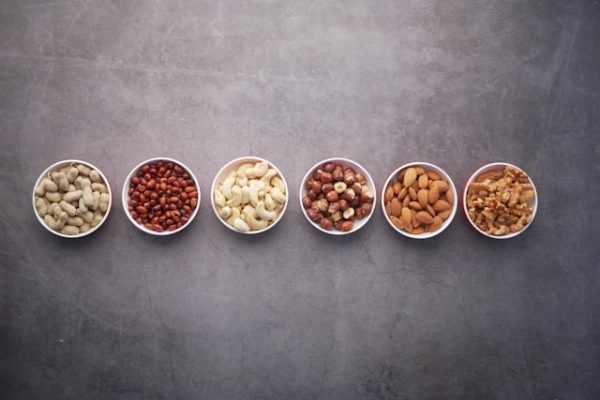
Photo by Towfiqu barbhuiya on Unsplash
The Part No One Explains
Here’s what most people don’t realise:
Even though nuts are high in calories… they don’t behave in your body the way you think they do.
Nuts are naturally rich in:
- Healthy fats
- Fibre
- Protein
This combination is powerful.
It helps to:
- Keep you full for longer
- Stabilise blood sugar
- Reduce cravings
So instead of constantly thinking about food, you actually feel satisfied.
And that’s the missing piece.
Low calorie does NOT equal fat loss. Feeling satisfied & regulated does.
So… Do Nuts Make You Gain Weight?
No, not when eaten in appropriate amounts.
In fact, including nuts in your diet can actually support your goals because they help prevent overeating later in the day.
When your body feels nourished, it stops searching for more.
How Much Should You Eat?
For most people, a handful once or twice a day works really well.
You can:
- Have them as a snack
- Add them into oats or yogurt
- Sprinkle them onto salads
- Blend them into smoothies
They’re one of the easiest ways to add real nourishment into your day.
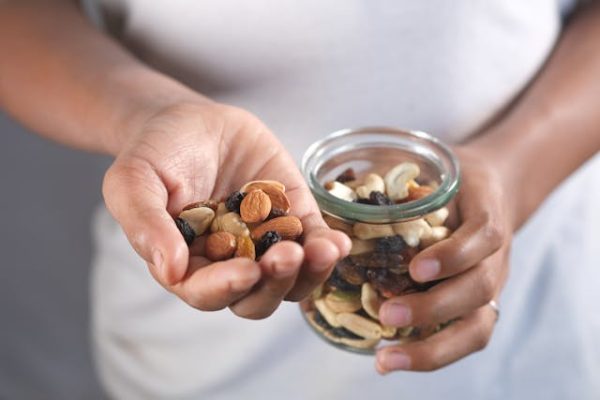
Photo by Towfiqu barbhuiya
The Best Nuts to Include
I always say variety is key, but here are some of my personal favourites and why:
-
Cashews
Contain tryptophan, which supports serotonin — helpful for mood and emotional eating
-
Pistachios
Great for heart health and rich in antioxidants
-
Brazil nuts
Just 1–2 per day gives you your selenium for thyroid support
-
Walnuts
Packed with omega-3s for brain health (and they literally look like a brain… which I love)
The “Worst” Nuts?
Honestly… none.
There isn’t a “bad” nut.
The real issue isn’t the food, it’s the fear around it
Your body doesn’t need less food, it needs the right food.
& nuts are a beautiful place to start!
Main – Photo by Pratik Bachhav on Unsplash
About the Author: Gillian Scerri

Gillian Scerri is a Health & Nutrition Coach and CBT Practitioner who specialises in diet, emotional eating, and stress-driven habits.
Her work centres on helping individuals understand why they overeat, crave certain foods, or struggle with consistency, so they can create lasting change, not just short-term results. By combining Cognitive Behavioural Therapy with practical nutrition and dietary strategies, Gillian helps clients regulate their emotions, stabilise their energy, and build healthier habits that actually stick.
She places a strong emphasis on the impact of food on mood, hormones, and overall mental wellbeing, helping clients move away from ultra-processed, addictive eating patterns and towards a way of eating that supports both physical and emotional health.
Her programmes integrate insights from neuroscience, behaviour change, gut health, and nutritional therapy, bridging the gap between what people eat and how they feel. Rather than relying on willpower or restrictive dieting, her approach focuses on addressing root causes and rewiring patterns at a deeper level.
Gillian’s work is deeply personal. After years of struggling with her own health, including digestive issues, fatigue, anxiety, depression, and thyroid issues, she was forced to confront the disconnect between her lifestyle and her wellbeing. Through this journey, she not only restored her health but developed a clear mission: to help others break free from the cycles that keep them stuck, exhausted, and disconnected from their bodies.
Contact Details
Website
LinkedIn
YouTube