
(And What Our Body Is Trying to Tell Us)
I consider myself a calm and kind practitioner. Definitely not combative, although I am plain speaking. But it’s not this that gets the sadden reaction from clients to the question; ‘why did you leave it for so long?’
This is certainly not a judgement. I totally get it. Prior to being diagnosed with a severe illness, I was in constant ‘doing’ mode and chose to forge ahead, no matter what. When I received the diagnosis, I could see the many times that my body had spoken to me and I ignored it. This is the same conversation that I have with people all of the time.
We’re all fallible
We often think of infallibility as a trait of the young, high on youth. Ignoring the signs of ill-health as we age can fool us into believing that we’re still young and that nothing can harm us, but how wrong we can be.
We don’t want to overanalyse or scroll endlessly for answers, but recognising that a persistent headache may be more than too many coffees. Eye strain, brain fog and dizziness can all lead back to poor sleep, malabsorption of nutrients, stress or something else for investigation. Wounds that won’t heal, persistent colds or allergies can point to issues of insulin resistance, gut microbial imbalances or gut impermeability.
We’re ageing in many aspects from the age of 30. It’s a natural phenomenon which also tells us that we’re not infallible.
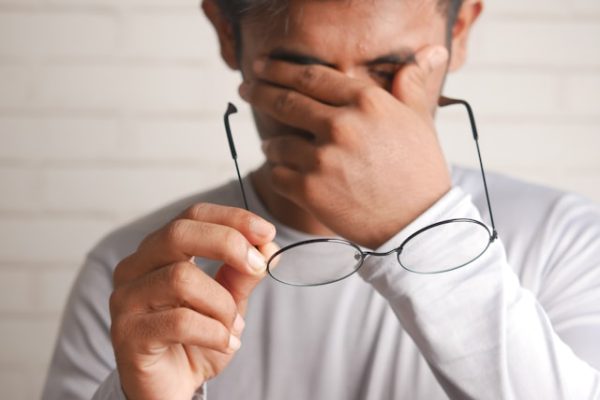
Photo by Towfiqu barbhuiya on Unsplash
Shame
As a practitioner I found it very difficult to accept that I was unwell, but as a human I’d been pushing myself way beyond what I should have.
It can be uncomfortable to discuss stools, discharge, discolouration, lumps and bumps. However, GPs are trained professionals who have seen so much and simply consider symptoms as clues. Even if you’ve left things until they’re really not pleasant, to the practitioner they’re information indicators which enable diagnosis and a move towards the solution that you need.
Time
It’s strange that when we’re ill, even with a cold we recognise how long the impact can be. But we don’t always consider the more severe the illness, the longer the need for recovery. Taking a few hours off to go to an appointment or to do a test can prevent days, weeks, months (or in my case) years of ill-health.
Photo by Brett Jordan on Unsplash
A great way to consider this is as ‘positive health-time’. Make time to assess your health and not only on the scales. Take time to look at the colour of your urine and the shape of your stools. Women (and men) check the shape of your breasts and your intimate parts. Notice if your breath has changed or you’re getting pains anywhere.
This time is invaluable.
At the end of the day, what I’ve learned is that what we need, isn’t always foremost on our list. But want we want cannot be achieved if we fail to work with what our body really needs.
Main – Photo by Brett Jordan on Unsplash
About the Author: Felicia Jones