
Practicing Pratyahara in 2026
Chances are, you’re reading this on a Smartphone. And, if research is correct, you’ve already looked at said phone at least twelve times in the last hour. In fact, it’s estimated (in the UK) that we’ve spent more time on our smartphones than watching TV in 2025-2026. And usage among teenagers is reported as particularly “problematic” – enough so for a symptomatic term to be coined: Problematic Smartphone Use (PSU). But I hear you ask, what does this have to do with yoga? For the 2026 yogi, quite a lot.
Smartphones and their cornucopia of content present a more profound problem our philosophical-forebearers foresaw – they’re augmenting our senses. A set of input avenues, our human senses determine how we physically position ourselves in time and space – through sight, sound, smell, taste, and touch. Together, they comprise our sense of Self. And that’s crucial to any yoga practitioner.
Compromised senses might be considered a more contemporary issue, but the lineage of yoga recognised sensory distractions as an issue in the quest for Samadhi (ultimate bliss and enlightenment). After all, no matter the point in history, the human mind is pre-programmed to dart in different directions for the sake of survival, of which sensory input is vital to. So, our yogi ancestors established a step on the yoga path to support remediation of this issue. And it might just be what we need to help us repair many aspects of our practices, so we can rediscover our sense of self and rebuild the true value of yoga in our lives.
The Lost Limb
Pratyahara is the fifth limb of Yoga. It means “withdrawal of the senses”, entailing consciously directing attention inward, away from external stimuli, to achieve mental stillness. A bridge between asana and meditation, it reduces mental agitation caused by the stream of sensory input we continuously ingest. It’s also often overlooked in modern practice because we struggle to find space for it.
Pratyahara isn’t as simple as sterilising physical sensations, like closing one’s eyes or muting sounds, like one might experience in a sensory deprivation tank. Instead, it provides a platform for us to create our own convictions around, relevant to our individual lives and something we understand, so it becomes a natural and essential part of our Sadhana (daily practice). For ancient practitioners, this involved abstemious existences, renouncing possessions, abdicating status and wealth, and even separating from their families. Undivided attention, no distractions, and a staunch commitment to achieving self-actualisation.
But if we cast modern problems anachronistically to the time of the first yogis, packing up and bidding farewell to life and loved ones isn’t feasible. Context changes but the underlying message shouldn’t. So, to practice Pratyahara, we need to reconsider what it means to us today.

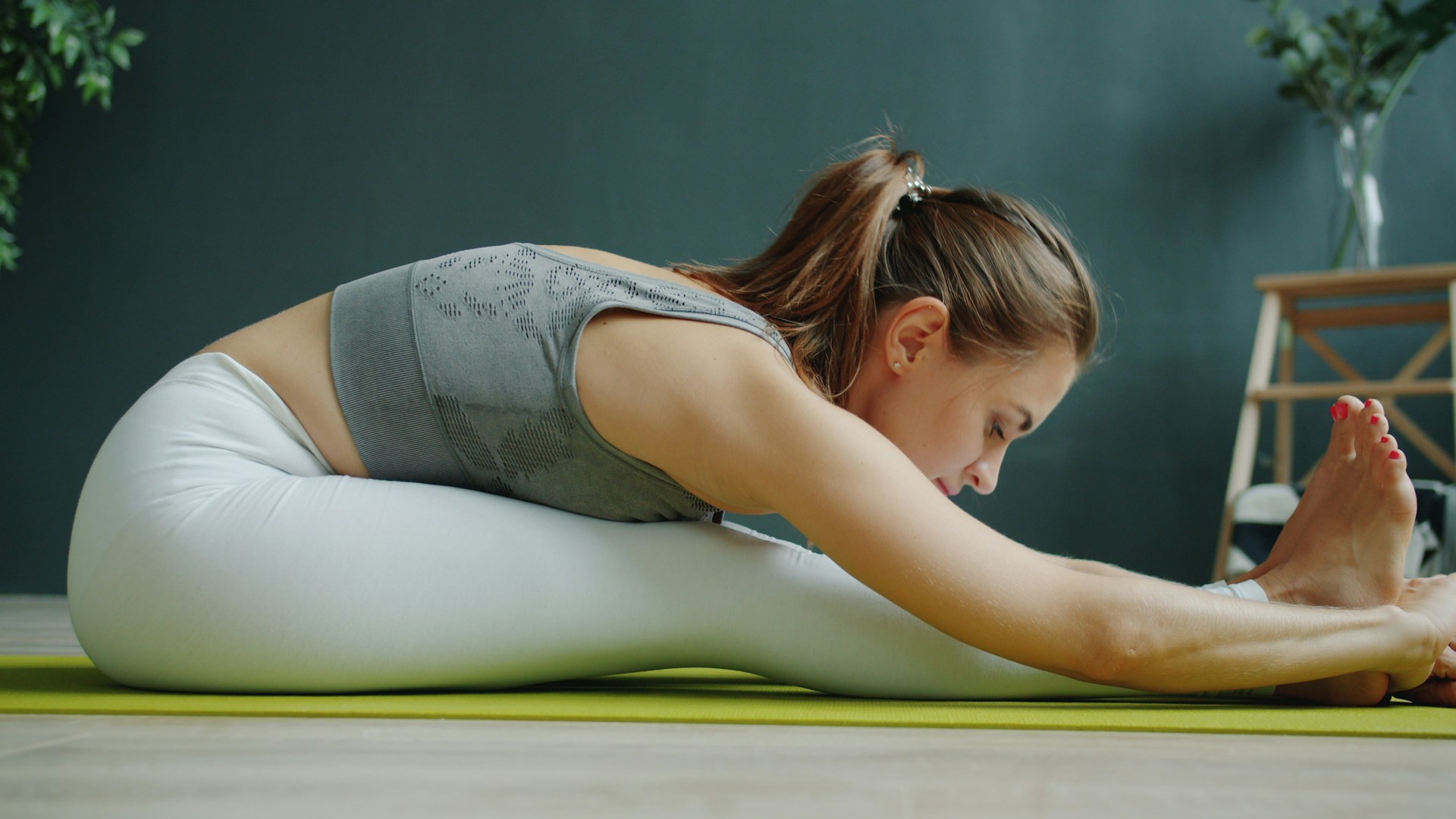
Photo by https://kaboompics.com/
Practicing Pratyahara
Our lives are submerged in sensorial experiences. They help us learn and understand the world around us, as well as creating emotions, thoughts, and feelings that guide us through life. To disconnect from this isn’t linear or easy in 2026. Yoga prescribes different types of Pratyahara, each pertinent to the digital distractions we experience today.
Indriya Pratyahara: The simplicist to practice, this is the physical process of retreating from sensory stimulation, like sights and sounds. Today, this extends beyond the age-old torment of turning off the television. Digital devices and communications are inescapable and make big impressions on pleasure and reward circuits in our brains – i.e., what we recognise as a rewarding behaviour and thus, gives us a dose of pleasure. Tech – in its myriad forms – is designed to hack into these circuits, leaving us serially stimulated and wanting more.
Prana Pratyahara encourages us to control our flow of prana (breath), preventing over-activity and flooded senses. Rather than suspending breathing, practicing Prana Pratyahara involves conscious control of the breath stream. Steady, smooth, and serving wellbeing. With our digital-centric existence, we’re increasingly teetering on the precipice of permanently being in a stressful state with little conscious control over breathing, increasing sensory stress.
Karma Pratyahara represents “surrendering the fruits” of actions and living without expectation of results or rewards from the things we do. Digital life has looped us into an unnatural reward loop. From followers and friends to likes, comments, and going viral, our lives are other people’s property, and we invest a lot of sensory stock into basking in an illusionistic bounty of rewards. If we seek something more spiritually satiating, stepping onto the yogic wheel and embracing all eight steps – including Pratyahara – offers a greater reward.
Mano Pratyahara, the act of withdrawing the mind from unwanted thoughts and distractions, barely relishes any further explanation. In 2020, researchers at Queens University, Canada, found that the average person generates around 6,200 consecutive thoughts per day (when we’re awake). At Caltech University, it was posited that our brain processes thoughts at 10 bits per second. In the advent of our digital world, this is slowing and simplifying, often omitting important steps to regulate emotions and responses.
As we enter an age of cognitive deficit, replete with consistent sensory input, how can Pratyahara help us, and what does practicing it in 2026 really look like?
A Sense of Self
Most modern yogis would concur that cancelling life and renouncing worldly possessions wouldn’t serve who they are. But, changing how they interact with the world and conceive the people they love and the things they own just might make their lives a little better. And their yoga practices more meaningful. Where we invest attention and our sensorial ingestion shapes how we think about ourselves, other people, and our possessions – just like the people in our lives and the environment we live in affect our senses. The digital domain is part of that and it’s explosion of popularity and omnipresence has created complex issues that we’re now seeking salvation from.
While we can’t avoid sensory input completely, the practice of Pratyahra supports us to develop a frontier against anything that isn’t helpful or nurturing – helping us make better choices about where we direct our attention. Using the principles of Mano Pratyahara, exercises like meditative journalling can funnel attention inwards, excising the effects of unwanted sensory input – particularly when practiced first thing in the morning and last thing at night. Ditching digital devices, an analogue approach helps focus attention and invites a somatic aspect. Writing is scientifically proven to improve mental health, physically holding something tangible as a conduit for emotional release. Scribbling down thoughts and feelings as they flow through us helps us to release congestion within both our minds and our bodies and gives us a physical resource to refer back to. One that isn’t premeditated or systematic, but visceral and spoken from the soul without sensory interruption. By entering a flow state of writing, we can separate from our senses and see more of our authentic Self shine through.

Photo by Anastasia Shuraeva
Compassionate Communication
Other forms of communication have a sensory impact within and upon our bodies – something the digital age has also stolen from us in our hyper-aroused states, where we’re even plugged in during mealtimes or when ‘talking’ with others. Our senses are omnipresent in our lives and are the foundations for a plethora of our automatic functions – like speaking – that invite energetic rebounds (like reverberations of energy through the air when we speak). A blend of Prana and Karma Pratyahara support us to engage more positively with others and create productive channels of communication.
Using Prana Pratyahara helps us to calm our own internal systems and stabilise our thoughts and feelings, while Karma Pratyahara prevents us from applying expectations to our interactions with others. Together, they cultivate a more positive and compassionate approach to communication. We may speak kinder words that feel good in the mouth and the throat. We may find our thoughts and speech are better organised, with more balance and diplomacy. And we may notice that we do not react to what others say. Rather, we have a reasonable response. All of these aspects demonstrate a positive sensory experience within our bodies and a better relationship with the world around us.
If we aren’t orally speaking but typing online, we may find we abandon leaving invective comments or feeling compelled to always weigh our opinion unnecessarily. Instead, we maintain that opinion for ourselves as a way to adjudicate our own morals and values and reflect upon for positive change in our lives.
Too Much of the Moment
In our digital age, there’s little escape from this. We don’t just ruminate on things, we can become haunted by them – which may contribute to the sharp rise in levels of anxiety panic disorders. What started as FOMO has become dangerously insipid. Things stick with us and reverberate through us, creating a negative sensory experience that takes our attention to unhelpful places – and away from the things that truly matter. Indriya Pratyahara can support us to gently nourish the part of us that doesn’t like to be left out, that strives to be better than others – our ego. When we physically separate ourselves from streaming channels and social media, we open space to evaluate and reflect upon what it is we’ve been ingesting, if it really is worth knowing, and what it would mean to not know. Like a Cost Benefit Analysis, we can weigh up what it means in our lives.
Instead of indulging in doomscrolling or endless site surfing, we can allow time to enjoy things that matter more to us than what other people (who we often don’t know) are doing. We can direct attention to what we are doing and how we are living our lives. And our lives shouldn’t be evidenced and displayed all the time through the digital domain. Switching off social media and investing time and attention into a hobby, passion project, or someone you love can quickly feel more rewarding and nurturing than the online world. And if you really want to share something with someone? There’s a time and a place for that. Currently, there’s a big movement to bring back the art of hand-writing letters and embracing snail mail. But you don’t have to post letters to your pen pal, you can deliver them instantly with online messaging.
Through this, we experience a beautiful blend of taking time away from the digital world and focusing on the self. Engaging in activities that are nurturing and negating sensory stimulation that steals attention from the Self.

Pratyahara in 2026
Like everything in life, Pratyahra in 2026 is all about balance, achieved by embracing the basic principles and understanding how they weave into your life. Whether you’re curious about an analogue existence, simply want to shave off some of your screen time, or make moves to improve your mental health, Pratyahara can support you to disengage from distractions and divert your attention to more positive, productive places.
Main – Photo by Vitaly Gariev on Unsplash
About the Author: Katie-Marie Fuller