
If an animal is unwell, unhappy, anxious or "not quite right", stress is almost always part of the picture. In Animal PsychAromatica (APA), we often talk about "Balancing the Bank" because stress behaves very much like a bank account. Every stressor withdraws from the animal's inner resources. Every supportive change you make puts credit back in. To keep an animal in balance, we want to notice where their "stress bank" is being drained, and then take practical steps to refill it. Here's a simple way to remember how to do that in daily life:
Think of every stressor and every solution as fitting into one (or more) of these four "accounts" in the animal's stress bank. When you feel overwhelmed, this gives you a clear, grounded way to think:
"What can I shift in the Body, Atmosphere, Nature, or Keeper?"
B – BODY – Lighten the load on the body!

First, look at what may be physically draining your animal's resources. The body can only cope with so much before it starts to show stress in behaviour, immunity, digestion or mood. Common body stressors include:
-
Illness and weakened immunity
-
Accidents and medical procedures
-
Chronic pain: stiffness, poor saddle fit, inappropriate shoes, overwork
-
Vaccination load (over-vaccinating, side effects)
-
Worming and pest control chemicals
-
Processed food and poor-quality diet
Solution: Lighten the body's load and support detox and immunity.
-
Review and reduce unnecessary medical and chemical challenges (vaccines, wormers, spot-ons, flea collars – always in discussion with your vet).
-
Feed a species-appropriate, high-quality diet instead of highly processed foods.
-
Use touch therapies (massage, acupressure, gentle bodywork) to support healing and relaxation.
-
Offer appropriate essential oils and hydrosols (chosen by the animal) to support pain relief, detox and emotional balance.
Every time you reduce a chemical burden, improve diet or ease pain, you're putting credit back into the Body account of the stress bank.
A – ATMOSPHERE – Create an emotional climate that feels safe!

Photo by Nika Benedictova on Unsplash
Next, feel into the atmosphere of the home, stable, yard or clinic. Animals are exquisitely sensitive to the "emotional weather" around them. Common triggers include:
-
Danger: unfriendly animals or people, angry or threatening body language, lack of respect
-
Confinement: limited space, no choice of where to go or where to rest
-
Isolation or overcrowding
-
Sudden changes in routine or environment
-
Over-stimulation: noise, busy households, constant activity, people coming and going
Solution: Make the atmosphere feel safe, calm and predictable.
-
Reduce conflict: manage introductions carefully, separate animals that don't get along, and respect each individual's boundaries.
-
Create clear "safe spaces" where the animal can choose to rest undisturbed.
-
Introduce changes gently – new routines, new animals, or new environments in small, manageable steps.
-
Turn down the volume, both literal and emotional: reduce noise, chaos and sharp arguments around sensitive animals.
-
Use calming essential oils (chosen by the animal) to deepen the sense of security and peace.
A calm, predictable atmosphere reassures the nervous system: "You're safe now." That alone can transform behaviour.
N – NATURE – Honour what the animal evolved for!
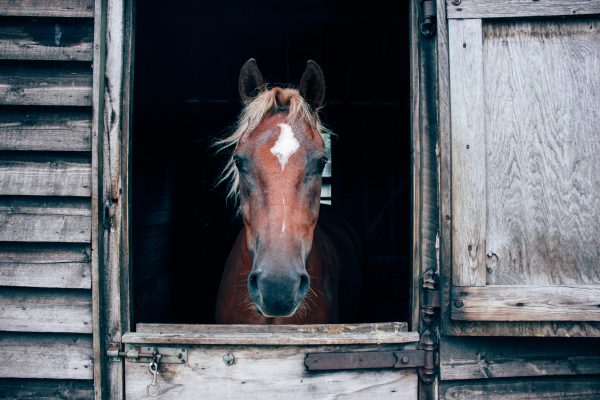
Photo by olio creative on Unsplash
No matter how loved an animal is, if their natural needs are not met, their stress bank drains quickly. Each species has specific physical, emotional and social needs shaped by evolution.
Such as:
-
Weaning too early or without enough social support
-
Lack of movement: horses not turned out, dogs under-exercised
-
Lack of social contact with their own species
-
Boredom: no mental, emotional or social enrichment
-
Synthetic chemicals and industrial diets replacing natural options
Solution: Align life with what the animal evolved for.
-
Let horses move with a herd, not just stand alone in a stable.
-
Ensure dogs have regular, species-appropriate exercise, sniffing and exploration.
-
Allow cats to express their natural behaviours: climbing, scratching, hiding, observing.
-
Offer natural diets, herbs, grasses and clays where appropriate; choose natural pest control where possible.
-
Create enrichment: play, problem-solving games, varied work, scent work, gentle exploration and new experiences at a pace the animal can manage.
When Nature's needs are met, animals stop using so much energy just to cope, and can start using it to heal and grow instead.
K – KEEPER (THE HUMAN) – Become part of the solution, not the stress!
The keeper – you, me, the human, is often the biggest source of chronic stress… and also the biggest opportunity for healing. We often inadvertently cause stress by:
-
Misreading body language and motives, assuming "stubbornness" or "naughtiness" where there is fear or confusion
-
Goal-driven, over-intense training with no time for integration
-
Human emotions and tension leaking through posture, voice and handling
-
Rigid ideas about "how animals should be kept", even when clearly stressful for that individual
Solution: Train the human as carefully as the animal.
-
Examine your motives, expectations and emotions:
-
"Am I in a rush?"
-
"Am I trying to meet my needs rather than theirs?"
-
-
Choose training based on play, choice, respect and small, rewarded steps.
-
Learn to read subtle body language and respond before the animal has to shout.
-
Question what's considered "normal" husbandry: is it actually meeting this animal's real physiological and psychological needs?
When we soften, listen and adjust, the whole world feels safer to the animal.
How to Use BALANCE the BANK in your APA Practice

Photo by Cortney Chummoungpak on Unsplash
When you assess an animal whether your own, a client's, or one in your care, simply move through the mnemonic and ask:
-
B – Body:
What in the body is draining the bank right now?
Pain? Chemicals? Poor diet? Exhaustion? -
A – Atmosphere:
Does this environment feel safe and calm to this animal?
Is there conflict, noise, unpredictability, or no place to retreat? -
N – Nature:
Are its natural needs for movement, social life, diet and play being met?
Is this life anything like what this species evolved for? -
K – Keeper:
What am I (or the humans around this animal) doing, feeling or believing that adds to the stress – and how can we become the solution?
You don't have to change everything at once. Even one small shift in any of these four areas is a deposit into the stress bank. Every time you BALANCE the BANK in one of these four areas, you're:
-
Putting credit back into the stress bank
-
Freeing up energy for the body's natural healing processes
-
Making it easier for the animal's nervous system to move from survival mode into rest, repair and joy
Over time, these small, steady deposits create deeper resilience: a body that copes better, a mind that feels safer, and a relationship built on respect and trust.
So next time you're worried about an animal, ask yourself:
"How can I BALANCE the BANK today – in the Body, Atmosphere, Nature, or Keeper?"
That simple question can become one of your most powerful tools for holistic animal wellness.
Want to learn more about the principles of APA for animal wellness?
Main – Photo by Guillermo Mota on Unsplash
About the Author: Nayana Morag