

5 Things You Should NOT Stock in Your Kitchen

If you’ve ever stood in your kitchen wondering, “Is this actually healthy or am I just being marketed to?” you’re not alone.

Between conflicting nutrition advice, trendy diets, and zero time to research, it’s no wonder food feels confusing. Today, I want to simplify things.
In this post, I’m breaking down five everyday foods that are often marketed as ‘fine’ or even ‘healthy’, but can quietly work against your energy, hormones, digestion, and long-term health, especially when eaten regularly.
And don’t worry: If you recognise a few of these in your kitchen, there’s no panic needed.
Our bodies are incredibly resilient, and damage is reversible. I’ll also share simple, realistic swaps you can start using straight away. My goal is to make your life less stressful, not more.
Let’s start with one that looks convenient, but comes with a hidden cost.
Prefer watching instead of reading? Check out my full YouTube video below:

Food #1: Processed Meats

This includes foods like:
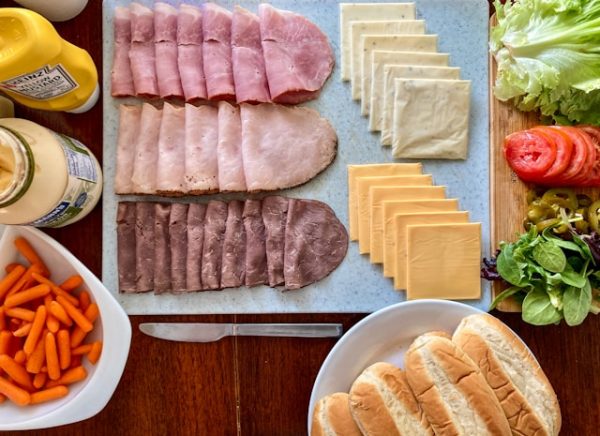
  • Packaged ham
  • Turkey slices
  • Salami, pepperoni, deli meats

I get it. They’re easy. They’re often used in kids’ lunches. They feel like a “safe” protein option.

However, large bodies of research, including findings from global cancer research organisations, show that regular consumption of processed meats is associated with an increased risk of colorectal cancer.

Easy, realistic swaps:

  • Cook a piece of chicken or ham once a week and slice it for lunches
  • Eggs (one of the most nutrient-dense foods you can give kids and adults)
  • Goat’s cheese, hummus, avocado
  • Leftover dinner protein in a sandwich or wrap
One of my best tips: boil a dozen eggs on Sunday. That one habit alone saves so many “what do I feed them?” moments during the week.

Photo by Thomas Park on Unsplash

Food #2: Low-Fat Milk (and Low-Fat Dairy)

If you were taught that low-fat dairy is healthier, especially for weight loss, you’re not alone.
Around 70% of women I coach still believe this, and that’s largely due to decades of marketing.
But research consistently shows that full-fat dairy is more satiating, supports blood-sugar balance better, and is associated with a lower risk of obesity and metabolic issues compared to low-fat versions.
When fat is removed, manufacturers often add:
  • Sugar
  • Thickeners
  • Flavourings
And your body ends up paying the price.

Better swaps:

  • Full-fat milk
  • Full-fat natural or Greek yogurt
  • Plain Greek yogurt instead of flavoured low-fat versions
Fat isn’t the enemy, ultra-processed food is.

Food #3: Margarine

Margarine is a highly processed fat, usually made from refined vegetable oils that are chemically altered to stay solid.

Research shows that these types of industrial fats can:
  • Increase inflammation
  • Negatively impact heart health

Meanwhile, real butter does not show the same risks when eaten in reasonable amounts.

Healthier swaps:

  • Grass-fed butter
  • Ghee (especially helpful if you’re sensitive to dairy, it’s very low in lactose)

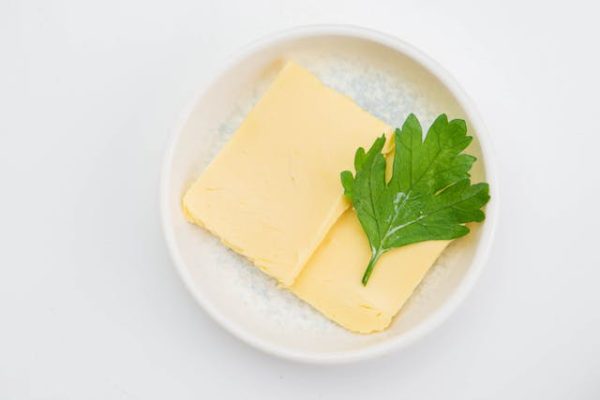
Practical tip: Butter doesn’t need to live in the fridge. Keep a small amount in a butter dish and use it within a couple of weeks, much easier to spread and far less annoying when you’re in a rush.
Food #4: Seed Oils

Seed oils like:
  • Sunflower oil
  • Rapeseed oil
  • Canola oil
  • Soybean oil
…are everywhere, sauces, takeaways, “healthy” snacks, and packaged foods.
There’s growing evidence linking high intakes of refined seed oils to increased inflammation and oxidative stress, particularly when they’re heated repeatedly (like in frying).
Traditional fats have been used safely for centuries. Seed oils are a very modern experiment.

Better options to stock:

  • Extra virgin olive oil (for dressings and low-heat cooking)
  • Butter or ghee (for everyday cooking)
  • Coconut oil or avocado oil (for higher-heat cooking)

Food #5: Store-Bought White Bread

This one shows up in most kitchens.
Ultra-processed white bread is often packed with:
  • Preservatives
  • Emulsifiers
  • Additives designed to extend shelf life, not support gut health

In a study examining over 200 supermarket breads, 84% were classified as highly processed. Research also shows that higher intake of white bread is associated with greater weight gain over time, especially compared to wholegrain or sourdough options.

Better choices:

  • Fresh rye sourdough
  • Wholemeal pitta (often far cleaner than wraps)
  • Homemade bread if you enjoy baking (best — but I know time is tight)

Quick note: Wraps are often more processed than people realise. Pittas are usually the better option.

Free Resource for Busy Women

If cravings and mindless snacking are what derail you, I’ve created a free guide with 25 simple, filling snack ideas to keep you full for longer. It’s designed specifically for busy women who want nutrition to feel doable, not overwhelming.

If you recognised your kitchen in this post, please don’t panic.

You don’t need to overhaul everything. You don’t need to be perfect.

Start with one swap this week. That’s enough!

Main – Photo by Vlada Karpovich

About the Author: Gillian Scerri

Gillian Scerri is a Health & Nutrition Coach and CBT Practitioner who specialises in diet, emotional eating, and stress-driven habits. Her work centres on helping individuals understand why they overeat, crave certain foods, or struggle with consistency, so they can create lasting change, not just short-term results. By combining Cognitive Behavioural Therapy with practical nutrition and dietary strategies, Gillian helps clients regulate their emotions, stabilise their energy, and build healthier habits that actually stick. She places a strong emphasis on the impact of food on mood, hormones, and overall mental wellbeing, helping clients move away from ultra-processed, addictive eating patterns and towards a way of eating that supports both physical and emotional health. Her programmes integrate insights from neuroscience, behaviour change, gut health, and nutritional therapy, bridging the gap between what people eat and how they feel. Rather than relying on willpower or restrictive dieting, her approach focuses on addressing root causes and rewiring patterns at a deeper level. Gillian’s work is deeply personal. After years of struggling with her own health, including digestive issues, fatigue, anxiety, depression, and thyroid issues, she was forced to confront the disconnect between her lifestyle and her wellbeing. Through this journey, she not only restored her health but developed a clear mission: to help others break free from the cycles that keep them stuck, exhausted, and disconnected from their bodies. Contact Details Website LinkedIn YouTube