
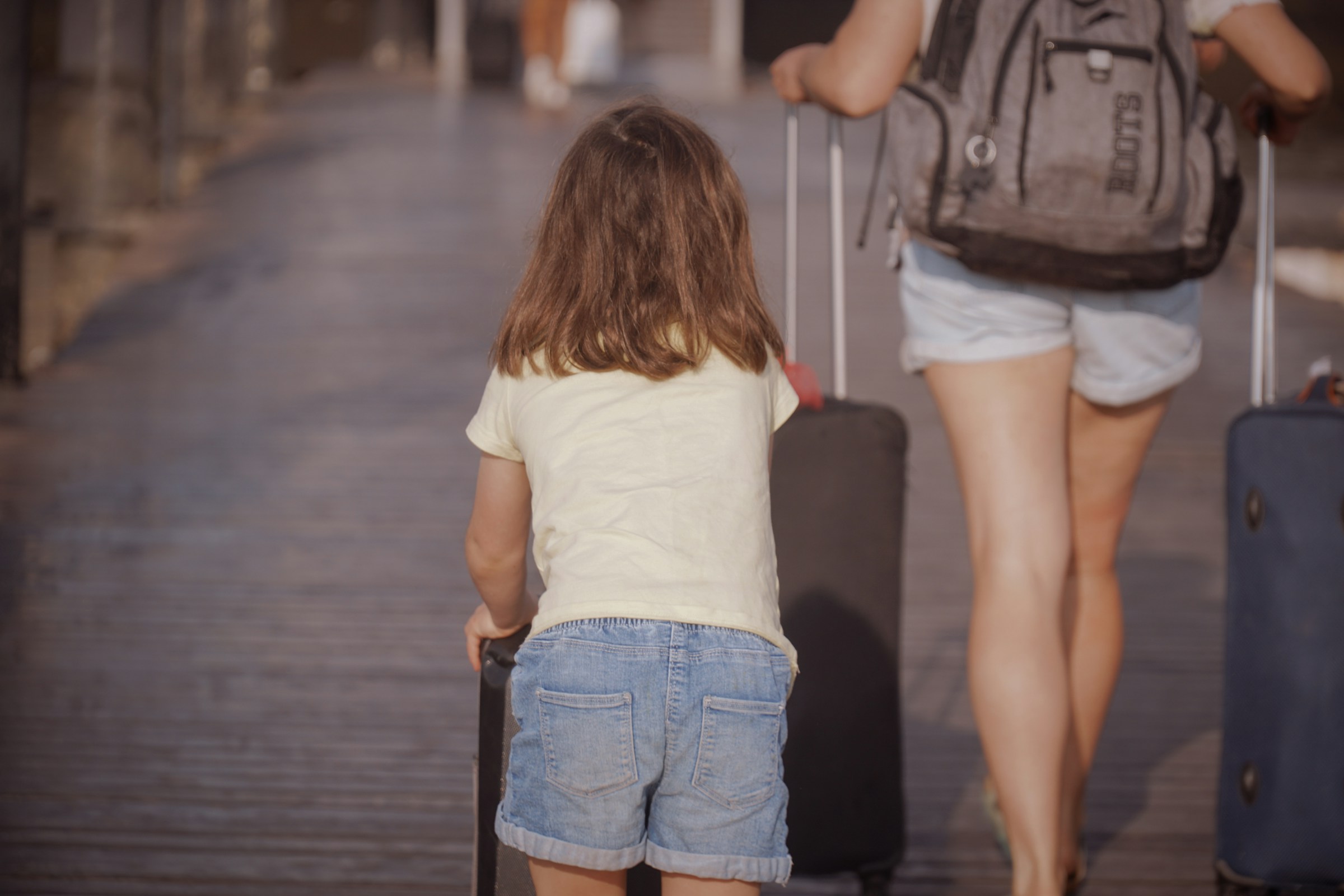
There is a familiar feeling many people experience at the end of a holiday.
The suitcase is unpacked, the photos have been shared, and normal life is about to begin again. Yet instead of feeling refreshed, there is a surprising sense of tiredness. Sometimes it appears immediately. Sometimes it arrives a few days later.
Wasn’t this supposed to be the thing that helped us recover?
We often assume that time away automatically leads to rest. In reality, many holidays contain very little genuine recovery. Early flights, packed itineraries, unfamiliar beds, disrupted routines, and the pressure to make every day count can leave the body just as busy as it was before.
There is nothing wrong with wanting to explore a new city, visit local attractions, or make the most of precious time away. The challenge is that many of us approach holidays in the same way we approach work. We fill every available space.
Photo by Francesca Tirico on Unsplash
Breakfast becomes a plan. The day becomes a schedule. Evenings become another activity. Before long, we move from one thing to the next without ever really slowing down.
The body may be away from work, but it is not necessarily resting.
One reason holidays don’t always feel restorative is that recovery requires something many people struggle with in everyday life: doing less.
Being physically away from work is not always the same as mentally disconnecting from it. Many people continue checking emails, responding to messages, thinking about upcoming deadlines, or planning what awaits them when they return home.
Even when work is not involved, the mind often remains occupied. We scroll through news, social media, travel recommendations, restaurant reviews, and endless streams of information. The location changes, but the level of stimulation often stays the same.
Modern life has made it surprisingly difficult to experience true downtime.
Sleep also plays a larger role than many people realise. Holidays often disrupt routines in ways that seem harmless at first. Later dinners, warmer nights, unfamiliar surroundings, different time zones, and changes to daily schedules can all affect sleep quality.
Someone may spend more hours in bed during a holiday and still wake up feeling less restored than expected.

For many people, holidays also come with an unspoken pressure to enjoy every moment. Time off is limited. Travel can be expensive. Opportunities feel precious. As a result, rest can start to feel unproductive.
A quiet afternoon with no plans sounds appealing in theory, yet many people feel tempted to fill it. Another excursion. Another restaurant. Another place to see before the holiday ends.
Ironically, some of the moments that leave the strongest impression are often the simplest ones. Sitting outside with a morning coffee. Reading a book without checking the time. Taking a slow walk with no destination in mind. Having a long conversation without constantly looking at a phone.
These moments may not look impressive in photographs, but they often give the nervous system exactly what it has been missing.
Recovery rarely comes from squeezing more into the day. It comes from creating enough space for the body and mind to stop responding to constant demands.
This doesn’t mean every holiday should be quiet. Some people genuinely enjoy active travel and return home happily tired after a week of adventure. There is nothing wrong with that.
The important thing is recognising the difference between stimulation and restoration. Both can be enjoyable, but they are not the same thing.

Photo by Pavel Danilyuk
A holiday can be exciting without being restful, just as it can be simple and deeply restorative without being particularly eventful.
Perhaps the real measure of a good holiday is not how much we managed to do, but whether we gave ourselves enough opportunities to slow down.
Because sometimes the thing we need most is not another experience, but a little more space between them.
About the Author: Elena Cholovska