
A Holiday Essential We Too Often Overlook
There is something universally calming about water. Whether it is the shimmer of a hotel pool, the rhythm of waves on a beach or the laughter of children splashing about, it signals relaxation, freedom, and escape from the everyday. Yet behind this inviting façade lies a reality we too often ignore.. water is unpredictable and when it goes wrong, it goes wrong quickly.
Each year, an estimated 236,000+ people lose their lives to drowning, according to the World Health Organisation.
Many of these incidents occur not in extreme conditions but during ordinary moments, i,e, family holidays, casual swims or a brief lapse in attention. Children are particularly at risk, with the majority of incidents happening when supervision is assumed rather than actively maintained. Drowning, contrary to popular belief, is rarely dramatic. It is silent, fast and often unnoticed until it is too late.
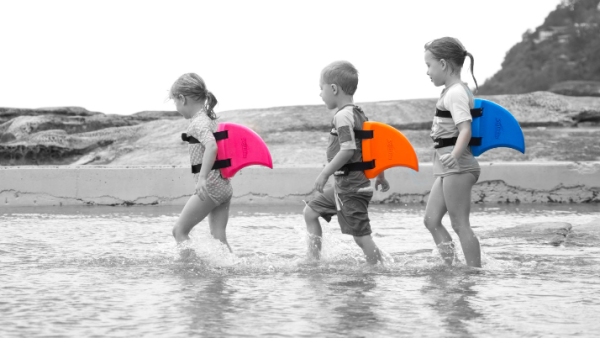
Photo by SwimFin
Water holds a natural fascination for children. It draws them in, almost magnetic in its appeal. A pool, a shoreline, even a small body of water can instantly capture a child’s attention. That curiosity is powerful, but it is also where danger lies. It takes only a second for a child to slip, wander or lean too far and what follows can unfold in as little as 20 seconds. There are no loud splashes or cries for help, no cinematic struggle like we see in films. In reality, drowning is quiet, subtle, and devastatingly quick.
Part of the challenge when travelling is that water behaves differently depending on where you are. A calm looking sea abroad may conceal strong rip currents, unfamiliar tides or sudden changes in depth. Even pools can present risks when layouts, surfaces or safety standards differ from what you are used to. Taking a moment to understand your surroundings is not overcautious, it is essential. Safety signs, flags and local guidance are there for a reason, yet many holidaymakers walk past them without a second glance. A few minutes spent observing the water, noting hazards and understanding the environment can make all the difference.
Supervision remains the single most important factor in preventing accidents, particularly with children. It is not enough to be nearby or to glance up occasionally from a sunbed. Effective supervision means being present, attentive and ready to respond instantly. Young children should always be kept within arm’s reach, especially in or around water. In group settings, responsibility can easily become diluted with everyone assuming someone else is watching. In reality, this is when no one truly is.
There is also a strong case for choosing lifeguarded locations wherever possible. Lifeguards are not simply there to react in emergencies, they are trained to anticipate danger, read conditions and intervene early. Their presence alone significantly reduces risk, offering a layer of protection that is often underestimated. Swimming in designated areas, particularly between flags on beaches, is one of the simplest and most effective safety decisions anyone can make.
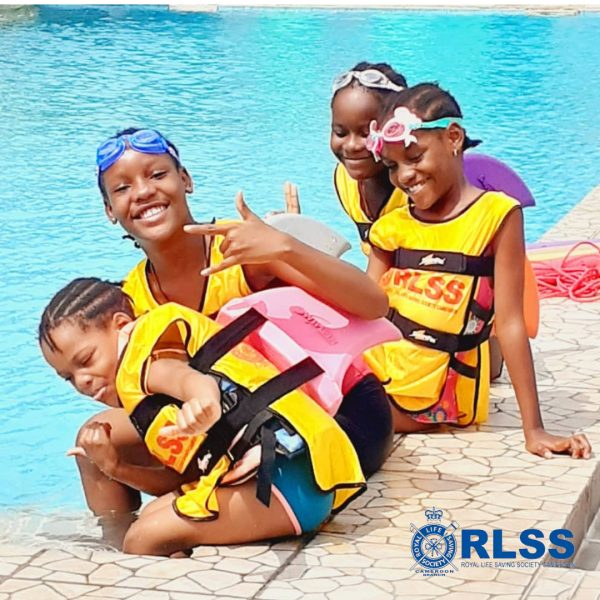
Some of the most common risks are also the most misunderstood. Inflatables, for instance, are often seen as harmless fun, yet in open water they can quickly become a serious hazard. A light offshore breeze is all it takes to carry an inflatable and the person on it far from shore in a matter of moments. What begins as play can escalate into panic with alarming speed. Similarly, cold water shock remains an under-recognised danger. Even on warm days, sudden immersion in cold water can trigger an involuntary gasp reflex and rapid breathing, making it difficult to stay afloat or regain control. Entering the water gradually and allowing the body time to adjust is a simple but vital precaution.
Then there is the role of alcohol, often overlooked in holiday settings where relaxation is the priority. Alcohol impairs judgement, slows reaction times and increases the likelihood of risk taking behaviour. Many adult drowning incidents involve alcohol, yet the warning is frequently ignored. The reality is straightforward.. water demands clarity, not compromise.
Of course, one of the most powerful tools in preventing drowning is education. Learning to swim is not just about staying afloat; it is about developing confidence, awareness, and the ability to respond effectively in the water. Modern teaching approaches increasingly focus on these broader skills, moving beyond out dated methods that prioritise buoyancy over movement. Innovations such as SwimFin, created by Kevin Moseley MBE, reflect this shift, supporting natural body position and encouraging children to engage actively with the water rather than rely on it to hold them up. It is a subtle but important difference, one that builds genuine capability rather than dependence.
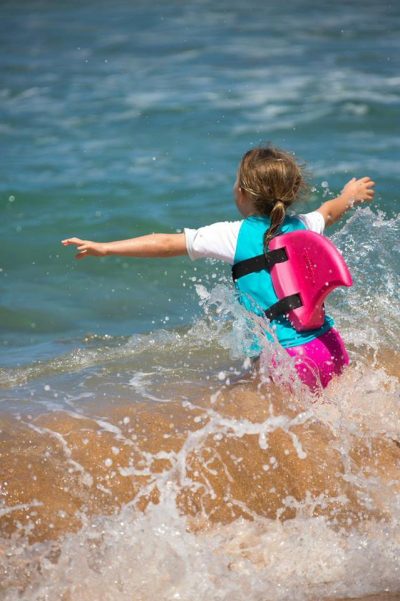
Photo by SwimFin
Ultimately, water safety is not about limiting enjoyment, it is about protecting it. The goal is not to create fear, but to foster respect. Because when water is understood and approached with care, it becomes what it is meant to be, a source of fun, freedom, therapeutic and lasting memories. When it is underestimated, the consequences can be immediate and irreversible.
Footnote: We want everyone to have a safe, enjoyable and truly happy holiday because the best memories are the ones where everyone comes home smiling.
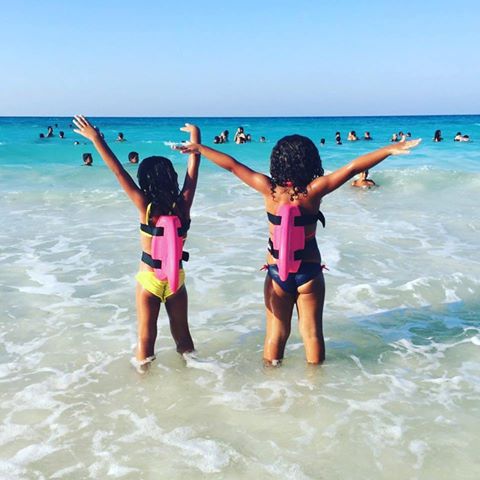
Main – Photo by SwimFin
About the Author: Kev Moseley