

Bringing Back the Beginner’s Mind
Often we hear this philosophy during our weekly yoga class, but how can we bring this mindset of childlike inquisitiveness into other areas of our life?
New Year, New Approach
As we welcome in the new year, it’s the perfect time to approach life with a renewed sense of curiosity and perspective. People are keen to create a new version of themselves, like self-improvement will be the key to happiness. But what if we simply took a step back and looked at what we currently do day-in, day-out. What if we objectively asked ourselves why:
Is it habit? Convenience? Fear of change?
January invites us to hibernate – a pause to reflect on the year just passed and consider how we might move forward with better habits. But instead of being overly serious or rigid about achieving these goals, what if we approached them with an innocent curiosity as if we were again children?
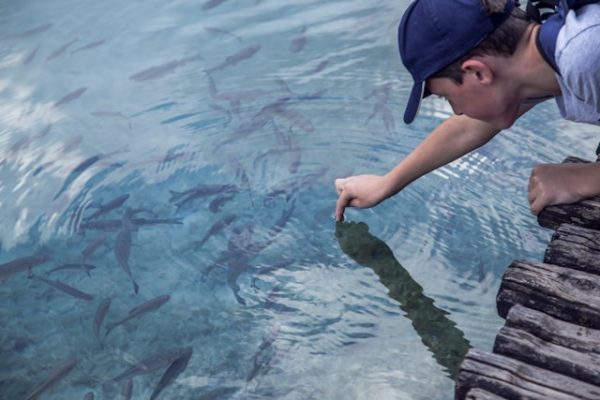
Photo by Milada Vigerova on Unsplash
The Healing Powers of Play
Most of us remember childhood play as effortless. Whether it was running around the park or disappearing into a ball pit, play had no agenda. There was nothing to prove and nowhere to get to – we could simply be. Adult life, of course, brings responsibilities: work, family, finances. We can’t spend our days playing in the same way. But we can bring the spirit of play into our daily tasks – by pausing, noticing, and engaging with what we’re doing rather than moving through life on autopilot. When we do this, even familiar routines can feel lighter and more energising.
Play with a Beginner’s Mind
Play and a beginner’s mind are deeply connected. When we play, we naturally let go of expertise, outcomes and self-judgment. We experiment. We make mistakes without attaching meaning to them. This is the essence of the beginner’s mind: approaching each moment as if it were new, without the weight of past assumptions or expectations. Children embody this instinctively. They ask simple questions not because they lack knowledge, but because they haven’t yet learned to stop asking. Somewhere along the way, adults usually do. Reclaiming play is one way of reclaiming that openness and with it, a certain element of contentedness.
Have you forgotten how to play? Do you feel a little silly at the thought of it?
That’s entirely natural. Adult minds are trained to assess risk and anticipate consequences. This is an essential survival skill – we want to protect ourselves and those we love. But when this instinct goes unchecked, it can dull our sense of curiosity. The good news is that it’s never too late to reinstate this lost curiosity. Pick one part of your daily routine today and as you are doing it for the umpteenth time, take a moment to really think about what you are doing and why. Treat it as a moving meditation and see how you feel after.

Photo by Hanna Morris on Unsplash
Play & Chronic Illness
Play can make living with a chronic illness just that little bit easier.
A recent study in the US found that daily play helped patients with Type 1 Diabetes to cope better with their condition as well as improving their overall mood. Living with Type 1 myself, I can attest to this and know from experience that getting caught up in something playful gives a momentary respite from the 180-300 extra decisions we’re required to make on a daily basis.
Be a Child for as Long as You Can
So perhaps my proposal to you is this: try not to overcomplicate things. Approach your daily tasks with a questioning mind and gentle curiosity, as though you were doing them for the first time. If you’ve been listing all the reasons why booking that trip would be a bad idea, take the plunge and stop overthinking it. Have a spontaneous dance around your kitchen when your favourite song comes on the radio.
Play doesn’t mean avoiding responsibility – it means meeting life with openness and curiosity rather than resistance. And sometimes, that shift in perspective is enough to make anything feel possible.
Main- Photo by Artem Kniaz on Unsplash
About the Author: Rosa Sawer