
The oldest nervous system can be dated back 520 million years, so why don’t we pay more attention to this incredibly wise biological complexity?
As a culture, we tend to think of health in terms of what we can see: our weight, our skin, or even the numbers on a blood test. But the real foundation of our wellbeing is held much deeper, quietly informing everything we feel, think and do: our nervous system.
This energetic and electrical network shapes how we experience the world and our place within that world.
Usually, people only become aware of the nervous system when it doesn’t feel right: a racing heart, an unquiet mind or unexplained exhaustion. But the nervous system isn’t the problem: all of these responses are natural and come as a result of the environment in which you find yourself.
So if we can learn to work with it rather than against it, we can unlock untapped potential and learn the tools needed to achieve a deeper state of inner calm.

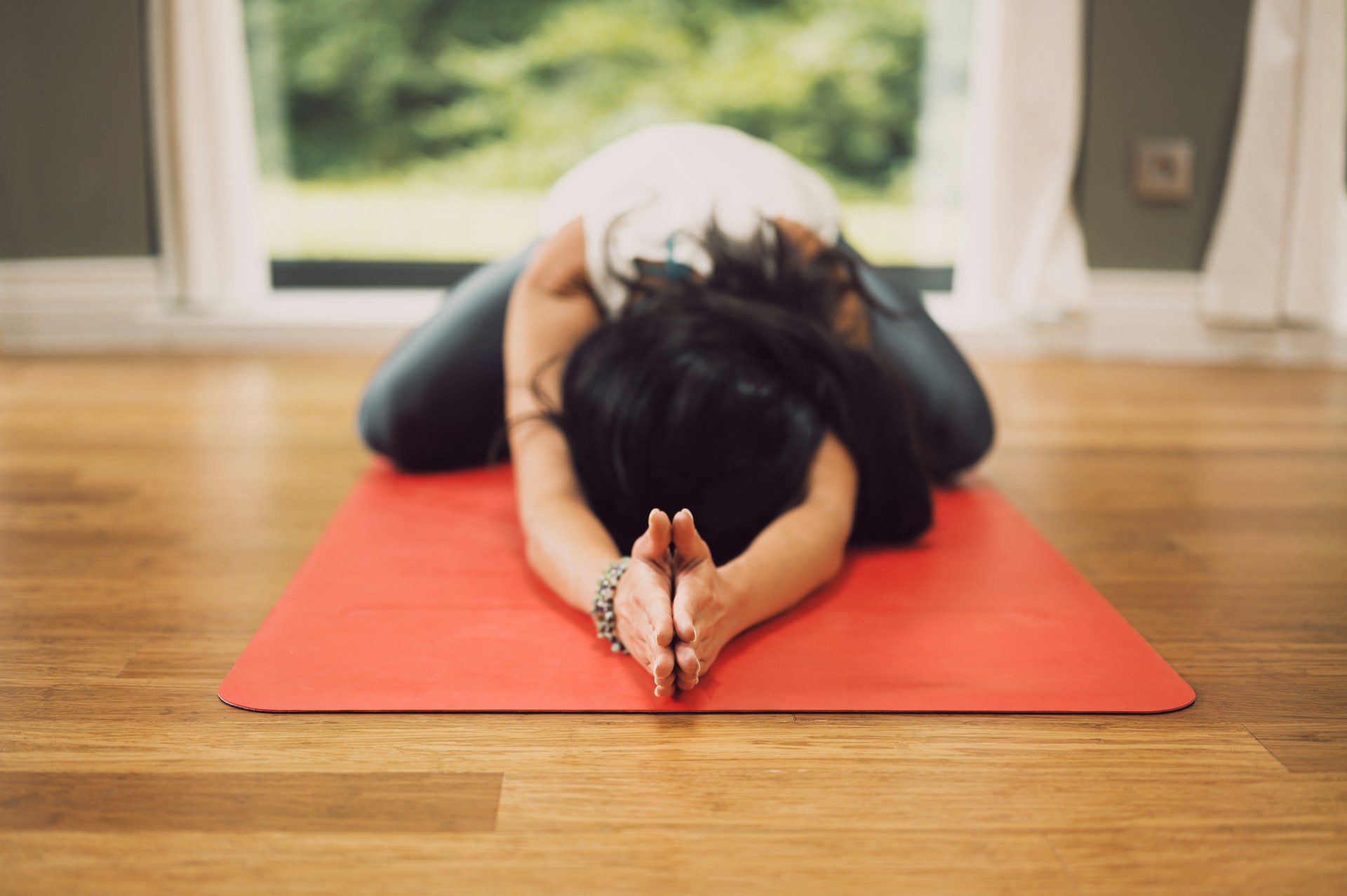
Photo by Hanna Sulphur on Unsplash
Your Nervous System: The Hidden Conductor
Our nervous systems are constantly scanning the surroundings, asking one core question:
“Am I safe?”
The answer to this question will then determine which ‘branch’ is activated.
1. Sympathetic Nervous System — “Fight or Flight”
Our body’s natural response to danger, triggering physical & psychological changes that prepare us to deal with a threat.
It increases our heart rate, sharpens our focus, and prepares our bodies to act.
It’s essential… just not all the time.
2. Parasympathetic Nervous System — “Rest & Digest”
This is where recovery, digestion and emotional regulation live.
But sadly, many of us hardly spend any time here anymore.
The modern world keeps us switched on all of the time: notifications, deadlines, constant stimulation, overthinking, comparison and the pressure to keep up.
Here is where Yin Yoga can offer us that respite we need to allow ourselves to switch from the sympathetic to the parasympathetic.
Why Yin Yoga Supports the Nervous System So Effectively
Unlike more active forms of yoga, Yin isn’t about pushing or perfecting.
It’s about softening, stillness and the gentle unwinding of habitual patterns held in the body.
Upon entering a Yin pose, our bodies send signals of safety to our nervous system:
- The breath slows.
- The muscles relax.
- The mind comes into the present moment.
- The entire system shifts toward a state of rest and rejuvenation.
For these reasons, Yin can often feel like a reset button – physically and emotionally.
We’re not just creating space in the tissues.
We’re training the nervous system to recognise how it feels to be safe again.
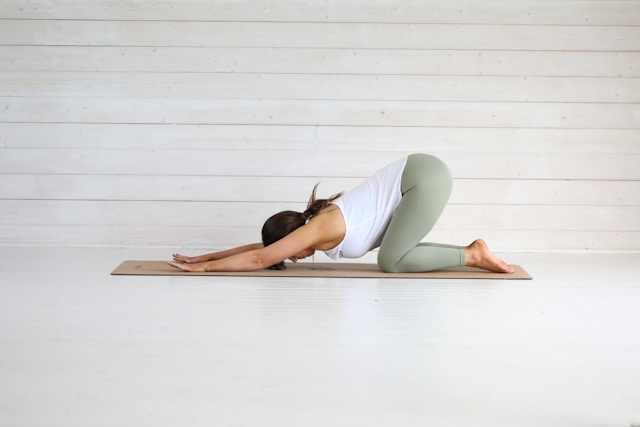
Photo by Margaret Young on Unsplash
Why This Matters More Than You Realise
A regulated nervous system can support:
- steadier energy
- deeper sleep
- improved digestion
- more emotional resilience
- clearer thinking & decision making
- reduced irritability
- less inflammation
- a greater sense of connection and presence
The nervous system is the lens through which we experience life.
So when it’s balanced, everything feels more doable.
A Personal Note: The Nervous System and Type 1 Diabetes
As someone living with Type 1 diabetes, people usually focus on the numbers, medication and routines in order to achieve that ‘sweet spot’ of whatever it means to have good control.
But here’s what we’re not thinking about:
A calm, regulated nervous system makes everything more manageable.
And of course, while Type 1 diabetes is not caused by stress and cannot be cured by relaxation or lifestyle practices, the nervous system still plays a hugely important role.
- Stress hormones, such as cortisol, significantly influence blood sugar levels.
- High stress situations can make decision-making harder (diabetics on average make 180 health-related decisions per day).
- Emotional overwhelm can impact day-to-day diabetes management and, over time, might lead to burnout.
This is where gentle movement practices such as Yin, breathwork, nutritional guidance and nervous system awareness become incredibly valuable – not as treatment, but as tools for finding inner calm whenever the condition gets too much, or better yet: before.

Photo by Alexey Demidov on Unsplash
Supporting our nervous system doesn’t replace medical care.
But it does help to balance the internal world of whoever is having to live with this relentless condition.
No strings attached, and I’d love to hear how you get on!
About the Author: Rosa Sawer