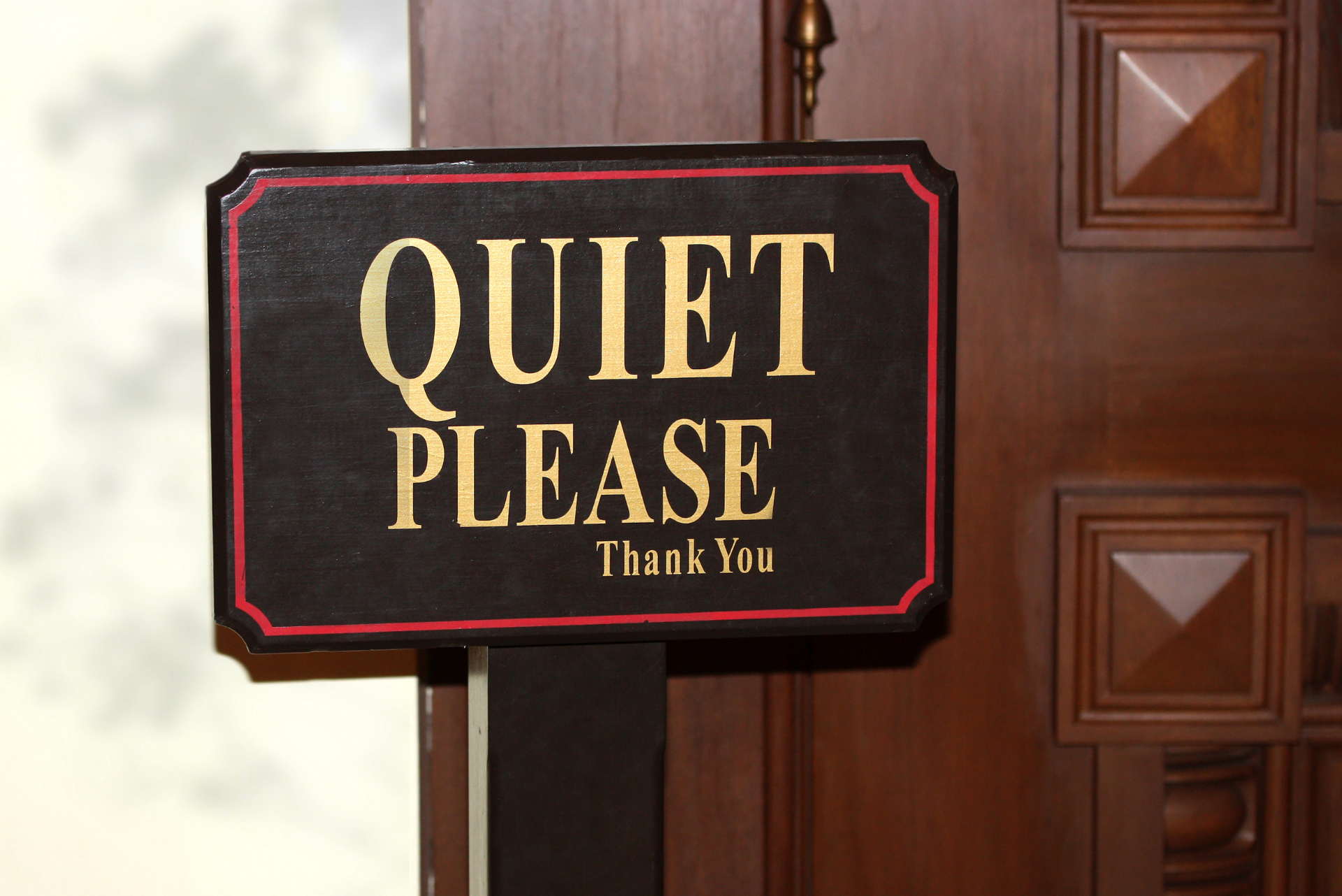
The sign on the therapy room door reads: "Please enter quietly – a session may be in progress."
Simple. Respectful. But inside this wellbeing centre in Wiltshire, something deeper has changed.
No one whispers about who needs "extra support" anymore. The staff meeting agenda begins with what's working rather than what's missing. Adjustments are no longer special requests; they're the norm.
That's what culture looks like when inclusion finally takes root.
Where We Started
Most wellbeing businesses begin where all small organisations do, with good intentions and a few informal rules.
Someone creates a policy, maybe after an uncomfortable moment or a piece of feedback. A poster goes up about inclusion. Then life carries on.
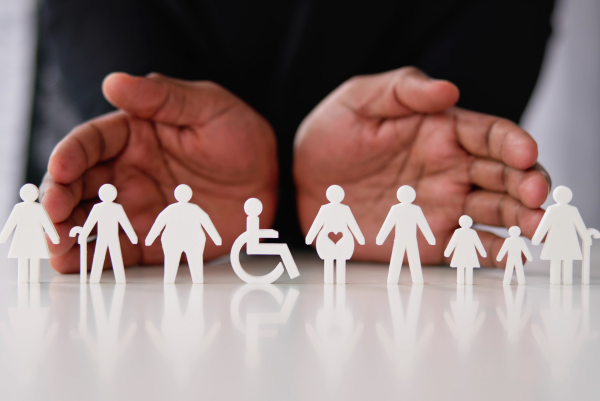
The gap between written values and lived experience is often wide. Policies talk about fairness; people still whisper about who's "difficult."
Real neuroinclusion happens when that gap closes, when the language in the handbook becomes the rhythm of the day.
Scene 1 – The Clinic That Learned to Listen
When a holistic therapy clinic introduced neurodiversity training, staff expected to learn definitions. Instead, they learned listening.
A reflexologist spoke about dyslexia and her fear of written forms. The manager rewrote the client notes template overnight – fewer boxes, more prompts.
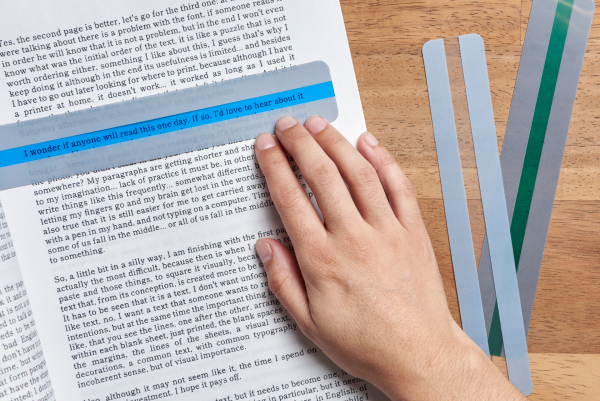
The counsellors added coloured overlays to intake sheets. Admin time halved, confidence rose.
Lesson: culture changes the moment curiosity outpaces judgment.
Scene 2 – The Team That Built Trust One Conversation at a Time
At a yoga and wellness co-op, one teacher finally disclosed her autism diagnosis. The group paused, not out of awkwardness, but because someone asked, "How can we make teaching days easier for you?"
They moved her slot from Friday evenings (sensory chaos) to quiet mid-mornings, swapped verbal announcements for printed schedules, and added a simple "quiet zone" sign for class changeovers.
Within weeks, other teachers began sharing their own preferences: lighting, timing, communication styles. The shift spread – openness replaced masking.
Lesson: safety is contagious.
From Policies to Practice
Policies give permission. Culture gives protection.
Here's how wellbeing organisations can weave both.
- Review together, not alone. Involve practitioners and admin staff when updating policies – their experiences reveal hidden friction points.
- Name neurodiversity openly. Use the word. Silence breeds stigma.
- Model from the top. Owners who talk about their own limits or sensory needs set the tone.
- Integrate into supervision. Make "What helps you do your best work?" as standard as "How are your clients doing?"
- Celebrate difference. Share wins born of diverse thinking – new ideas, problem-solving styles, calmer workflows.
Did You Know?
Over 60 % of wellbeing practitioners are self-employed – meaning they design their own cultures every day.
• Neuroinclusive teams show 31 % higher engagement in wellbeing sectors.
• Employees in inclusive environments report 50 % lower stress and 27 % greater loyalty.
The Small Signals That Matter
Culture isn't changed by memos; it's built through micro-behaviours.
- A practice manager who checks sensory needs before booking team retreats.
- A studio that adds pronoun and communication-preference lines to staff profiles.
- A clinic that swaps fluorescent lighting for warm lamps.
None of these cost much. But together they whisper: You belong here.

The Wellbeing Thread
Every therapist knows healing isn't linear; it's layered.
The same goes for culture.
You don't become inclusive once. You keep becoming. Each adjustment, each conversation, each pause before reacting – that's the work. It's slow, steady and deeply human.
In wellbeing settings, this matters doubly. Practitioners who work in attuned, neuroinclusive environments have more energy left for empathy. Their clients feel it too. Safety spreads outward.
Test Yourself
- Do your workplace values still live only on paper?
- When did someone last feel safe enough to say, "This doesn't work for me"?
- If your team left tomorrow and started fresh, would they rebuild your culture – or redesign it?
If you're unsure, you've just found your next area for growth.
Looking Ahead
The future of neuroinclusive work won't arrive with new legislation or buzzwords. It'll arrive quietly – in wellbeing spaces, community clinics, micro-businesses and studios that lead by example.
Because inclusion isn't a document. It's a daily practice of noticing, adjusting and beginning again.
And that's something every wellbeing professional already understands: healing doesn't happen from above. It happens in the space we create between us.
Over the past four weeks, we've explored what neurodiversity really means, how bias hides in plain sight, why everyday adjustments matter, and how to turn inclusion from a checklist into a culture.

If there's one thread running through it all, it's this: inclusion isn't about doing more; it's about noticing better.
The most effective workplaces – especially in the wellbeing world – are the ones that trade perfection for presence. They listen, adapt and lead with empathy.
That's the real future of work: human, responsive, and quietly revolutionary.

Book your free 15-min HR SOS call. Because meaningful work needs meaningful protection.
Miss Managed, HR without the sugar-coating: behind-the-scenes people issues no one else dares talk about. Subscribe here
Core Insights, leadership, culture and cutting through corporate noise. Subscribe here
And if you'd like to learn more about my consultancy work click here
All Photos created in Canva
About the Author: Samantha Newton