

These Are Common Signs Your Body Is Inflamed
Have you been feeling sluggish, waking up with a puffy face or body, constantly tired, or suddenly craving sugar and processed foods more than usual?
There’s too much inflammation going on and we need to bring it down.
And for busy women, this happens a lot.
- Too much to do
- High stress (which directly raises inflammation)
- Constant responsibility
- Very little time for ourselves
When life gets full, our own care is usually the first thing to disappear.
Why Chronic Inflammation Matters
Inflammation isn’t something to ignore.
- heart disease
- type 2 diabetes
- autoimmune conditions
- certain cancers
1. Omega-3 Rich Foods (One of the Most Powerful Anti-Inflammatories)
Omega-3 fatty acids help regulate prostaglandins, hormone-like compounds involved in:
- inflammation
- mood
- gut health
- brain health
Best sources of omega-3:
- Wild salmon
- Sardines
- Mackerel
- Anchovies
- Cod liver oil
- Algae (for plant-based diets)
- Chia seeds
- Flax seeds
- Walnuts
Plant-based omega-3s need to be converted in the body, and that conversion rate is very low. Fish and animal sources already contain the active forms — EPA and DHA — which makes them far more effective.
If you follow a plant-based diet, an algae-based omega-3 supplement is an excellent alternative.
Omega-3s have been shown to:
- significantly lower CRP (a key inflammatory blood marker)
- support mood and cognitive health
- improve fertility outcomes
Two servings of fatty fish per week covers most omega-3 needs.
2. Pineapple (For Inflammation, Digestion & Cravings)
Pineapple contains bromelain, an enzyme that helps digest protein and reduce inflammation.
It has been traditionally used to:
- reduce swelling
- ease sinus and tissue inflammation
- support digestion
Because it’s naturally sweet, pineapple is also a great option if you find yourself reaching for processed sugar when you’re inflamed or overtired.
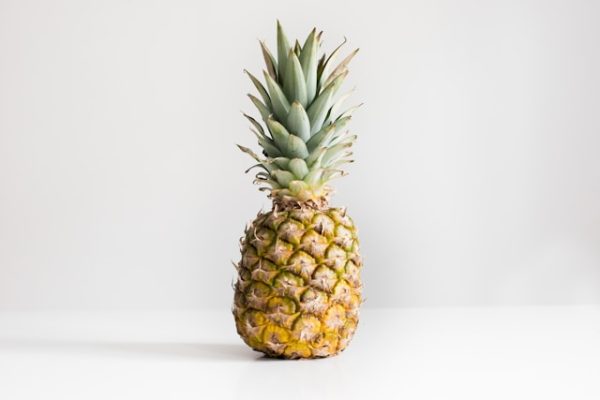
Photo by Julien Pianetti on Unsplash
Excess inflammation can drive cravings and emotional eating, not just hunger.
This is why calming the body first is so important; cravings often soften once inflammation comes down.
3. Turmeric (Lowering the Inflammation “Set Point”)
Turmeric helps lower your body’s baseline level of inflammation.
It:
- supports liver detoxification
- increases glutathione (one of the body’s most powerful antioxidants)
- reduces pain and inflammatory signalling
In Blue Zones, where people live the longest and healthiest lives, turmeric tea is consumed daily.
This makes turmeric especially supportive for:
- autoimmune-related inflammation
- joint pain
- chronic low-grade inflammation
You don’t need large amounts:
- a pinch a day is enough
- add it to curries, eggs, soups, pasta sauces
Always add black pepper. The active compound in turmeric, curcumin, becomes up to 2,000% more bioavailable when combined with pepper.
4. Extra Virgin Olive Oil (A Longevity Staple)
Extra virgin olive oil contains oleocanthal, a compound that works similarly to anti-inflammatory pain relievers.
Look for:
- cold-pressed
- stored in a glass bottle
It supports:
- systemic inflammation
- heart health
- gut inflammation
- blood sugar balance
Despite the fear around fats, olive oil is consistently ranked as one of the top longevity foods in the world.
Used generously, it’s protective, not harmful.
5. Berries (Low Sugar, High Protection)
Berries are rich in:
- polyphenols
- anthocyanins
- antioxidants like resveratrol
Blue and purple berries (blueberries, blackberries) are especially powerful.
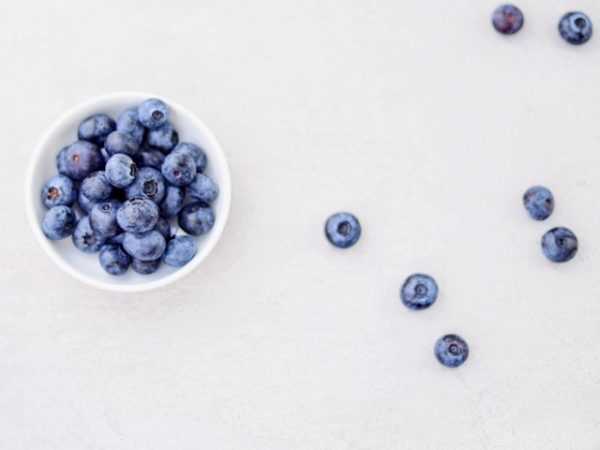
Photo by Yulia Khlebnikova on Unsplash
They:
- protect against DNA damage
- support brain health
- may preserve 2–3 extra years of cognitive function
- reduce inflammatory markers
They’re also one of the lowest-sugar fruits, meaning they won’t spike blood sugar aggressively.
Frozen berries count — zero prep. Perfect for busy women.
Start Small — It Adds Up
There are many other anti-inflammatory foods:
- cruciferous vegetables
- onions
- garlic
- ginger
But these five are easy, realistic, and make a noticeable difference when used consistently.
Inflammation doesn’t drop overnight, but when the body feels safer, calmer, and supported, energy improves, cravings soften, and puffiness often reduces naturally.
Main – Photo by Ketut Subiyanto
About the Author: Gillian Scerri