An Evening of Collaboration & Innovation in Swansea
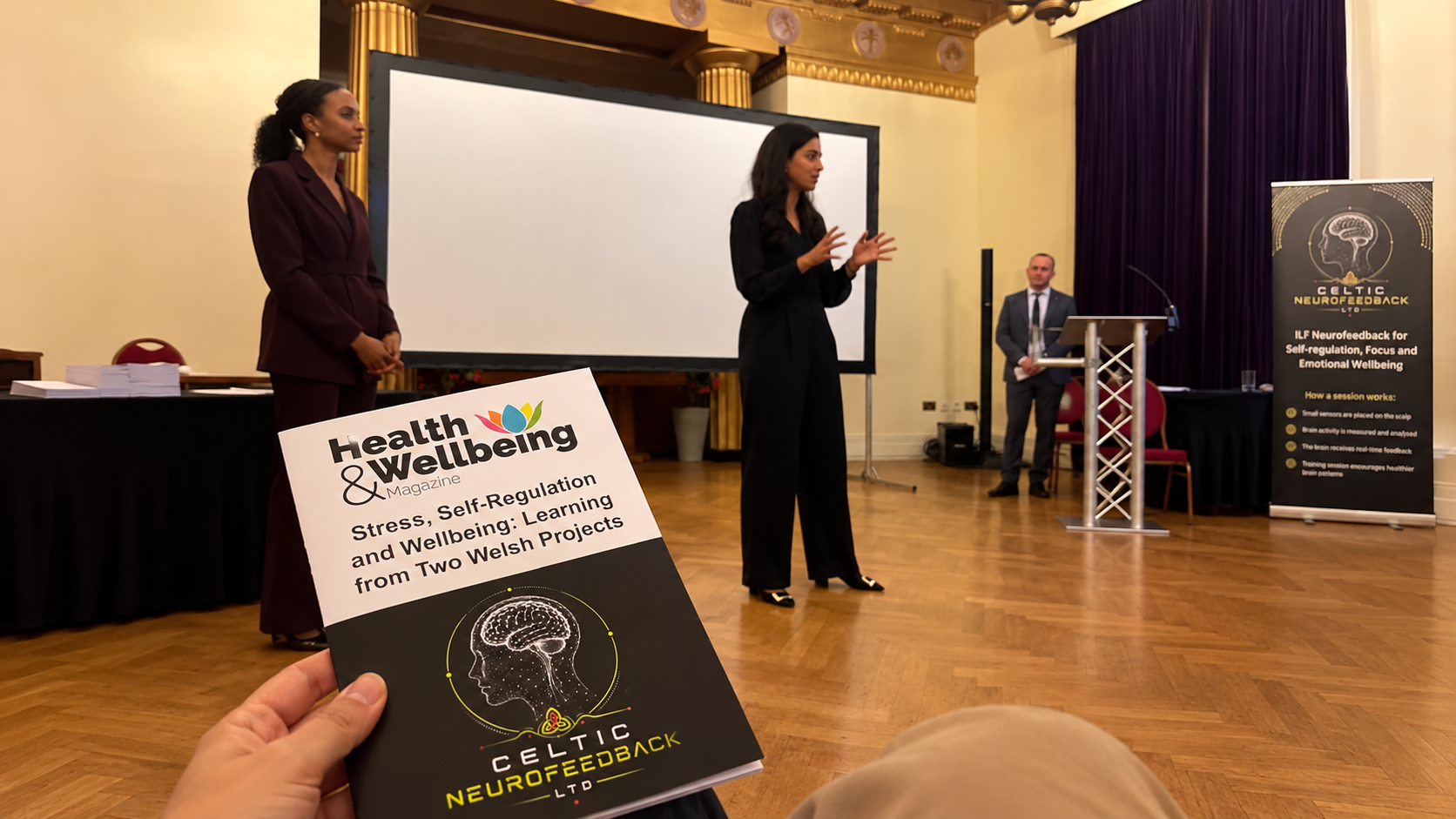
On Tuesday, 13 October 2026, Health & Wellbeing Magazine attended a special event in Swansea that brought together healthcare professionals, public services, community organisations and international guests around a shared interest in emotional wellbeing and self-regulation.
The gathering reflected an impressive breadth of perspectives, with representation expected from South Wales Police, the Romanian Police, the Romanian Embassy, Welsh Government, The Priory and several community organisations.
Set within an impressive historic Swansea venue and hosted in connection with Celtic Neurofeedback Ltd, the evening provided an opportunity to learn more about two Welsh projects, the technology behind them and the value of collaboration when addressing complex challenges relating to stress and emotional wellbeing.
At the heart of the evening was an important question: how might emerging approaches to self-regulation contribute to supporting people experiencing stress and emotional difficulties?
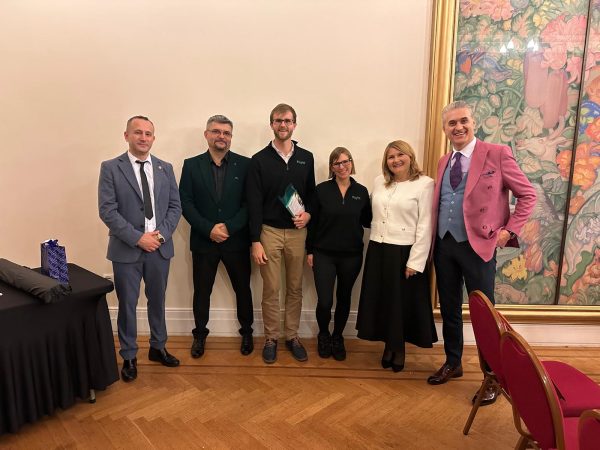
Dr Nistor Becia, Mr Doru Zane (Director of the Centre for Psychosociology of the Romanian Ministry of Internal Affairs – Centrul de Psihosociologie al MAI, Bucharest – alongside his colleagues from the Romanian delegation) , Andrew Slater (Foyht) & Sam Rowley (Health & Wellbeing Magazine)
Bringing Different Communities Together
One of the most striking aspects of the evening was the diversity of organisations and professional backgrounds brought together by a shared interest in health, wellbeing and community support.
Guests attended from across the healthcare, public service and community sectors, with representation from organisations including NHS Wales, social services, policing and community initiatives. International connections also formed part of the occasion, highlighting wider interest in the work being undertaken in Wales.
The evening was also honoured by the presence of the representative of His Majesty The King for West Glamorgan, adding a special sense of occasion to the gathering. Although the Mayor of Swansea was unfortunately unable to attend, the event created valuable space for professionals, community representatives and invited guests to exchange ideas and explore possibilities for future collaboration.
What made the gathering particularly meaningful was the recognition that emotional wellbeing rarely exists in isolation. The challenges faced by individuals and families can extend across healthcare, education, social care and wider community services.
By bringing together people with different experiences, expertise and perspectives, the evening reinforced the importance of collaboration, shared understanding and a joined-up approach to supporting health and wellbeing.
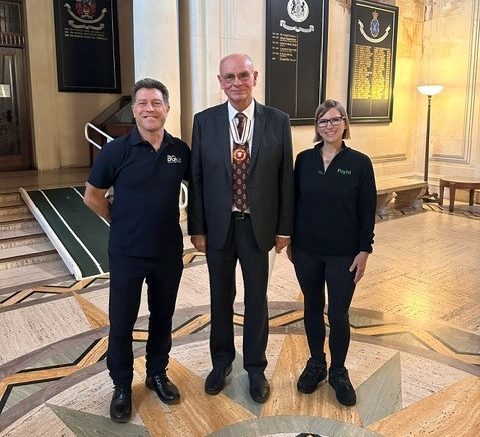
Derek Ray (BGi.uk) , Mr Martin Trainer (Vice Lord-Lieutenant of West Glamorgan, attending on behalf of the Lord-Lieutenant of West Glamorgan, who serves as His Majesty The King’s personal representative in the county) & Sam Rowley (Health & Wellbeing Magazine)
Understanding Neurofeedback & Self-Regulation
At the heart of the event was the work of Celtic Neurofeedback Ltd and its exploration of neurofeedback as a potential tool for supporting self-regulation, focus and emotional wellbeing.
Neurofeedback is a form of biofeedback that uses information about brain activity to help individuals practise regulating aspects of their physiological responses.
Typically, sensors monitor electrical activity from the scalp, with this information translated into visual or auditory feedback. Through repeated sessions, individuals may learn to influence particular patterns of activity.
The approach has attracted interest in areas including attention, stress management and emotional regulation, although the strength of scientific evidence varies considerably depending on the condition, technology used and treatment protocol.
Importantly, neurofeedback should not be viewed as a universal solution or a replacement for established medical or psychological care.
The evening also introduced guests to the technology being used by Celtic Neurofeedback, developed by Dr Bernhard Wandernoth, who travelled from Switzerland to share the story behind its development.
His involvement offered an opportunity to connect the technical aspects of neurofeedback with wider questions surrounding its practical use in real-world settings.
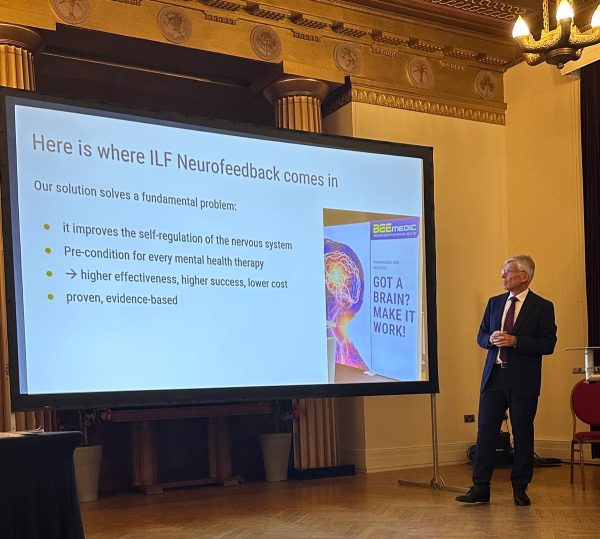
Dr Bernhard Wandernoth (Founder and Co-owner of BEE Medic, who travelled from Switzerland to attend the event)
Learning from Two Welsh Projects
Supporting Survivors of Domestic Abuse
The first project involved Thrive Domestic Abuse Services, an organisation dedicated to supporting individuals and families affected by domestic abuse.
Representatives from Thrive, including individuals involved in the pilot project, were an important part of the evening, bringing valuable perspectives to discussions surrounding trauma, stress and emotional wellbeing.
For individuals affected by domestic abuse, the impact of trauma can extend far beyond the immediate experience. It may influence sleep, concentration, emotional regulation, feelings of safety and the body’s response to stress.
The project explored the potential role of neurofeedback in supporting self-regulation and emotional wellbeing, considering whether it could provide an additional avenue of support for individuals navigating the effects of trauma.
Any intervention involving survivors of domestic abuse must, of course, be trauma-informed, sensitive to individual circumstances and supported by appropriate safeguarding measures.
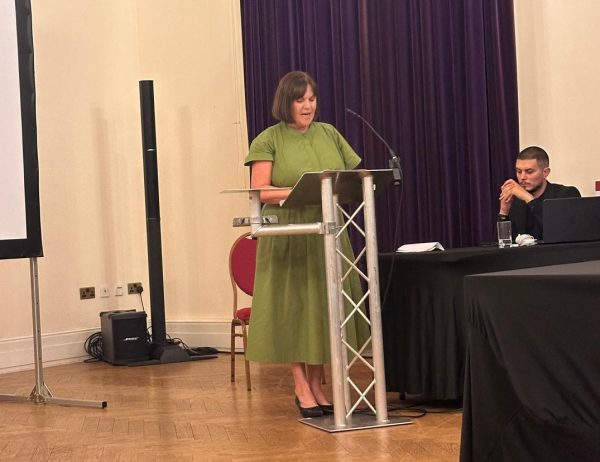
Alison Stokes (Chief Executive Officer of Thrive Domestic Abuse Services)
Supporting Parents & Families Through Spectrum Hub
The second project involved Spectrum Hub, a community organisation based in Merthyr Tydfil that supports children and young people with additional learning needs and disabilities, including autism spectrum disorder (ASD) and attention deficit hyperactivity disorder (ADHD).
Spectrum Hub provides a welcoming and inclusive environment through activities including sensory and play sessions, inclusive football, social gatherings and opportunities for families to connect.
Its work centres on building confidence, encouraging wellbeing and creating a sense of belonging for children, young people and their families.
The neurofeedback project focused on supporting parents of children with ASD and ADHD, recognising the considerable emotional and practical pressures families can experience.
From navigating educational and healthcare systems to managing everyday routines and advocating for their children’s needs, parents and carers may experience sustained levels of stress.
The project explored whether neurofeedback could offer an additional approach to supporting parental self-regulation and emotional wellbeing.
What made this project particularly interesting was its focus on the wellbeing of parents and carers themselves. While much attention is understandably directed towards supporting children with additional needs, the emotional wellbeing of those caring for them is equally important.
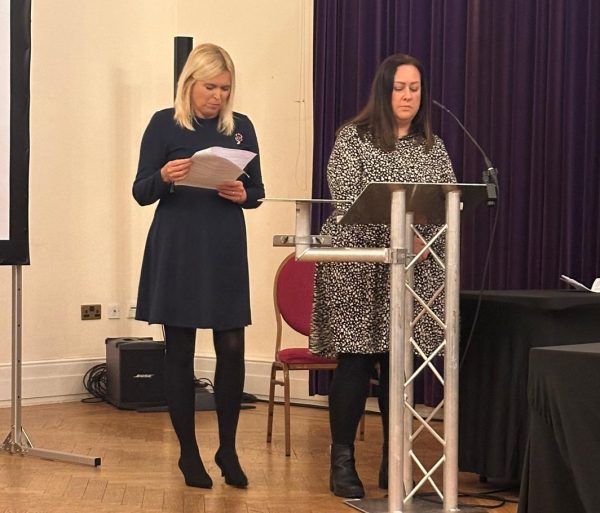
Rebecca Curtis & Lynne Dockerty (representatives from Spectrum Hub)
Looking Beyond the Technology
Although the two projects worked with different communities, they shared a common aim: exploring ways to support people experiencing significant stress and emotional challenges.
The evening encouraged discussion around how neurofeedback might complement existing support services while recognising the importance of individual experiences, circumstances and needs.
Further evaluation of the projects’ outcomes will be important in establishing what benefits, if any, neurofeedback may offer within these settings.
Perhaps one of the most valuable messages emerging from the evening was that wellbeing is about more than any single intervention or technology.
It is also about feeling supported, understood and connected.
Whether through the trauma-informed services offered by Thrive Domestic Abuse Services or the inclusive community created by Spectrum Hub, both organisations demonstrate the importance of providing compassionate, accessible support to individuals and families.
Bringing these community-based initiatives together with those exploring new approaches to self-regulation created meaningful conversations about how different forms of support might work alongside one another.
Beyond the presentations, there was a welcoming atmosphere with opportunities for guests to ask questions, share experiences and discuss the ideas being explored.
For emerging approaches such as neurofeedback, conversations like these are valuable. While the technology presents interesting possibilities, continued research, careful evaluation and appropriate professional oversight remain essential in understanding its potential benefits and limitations.
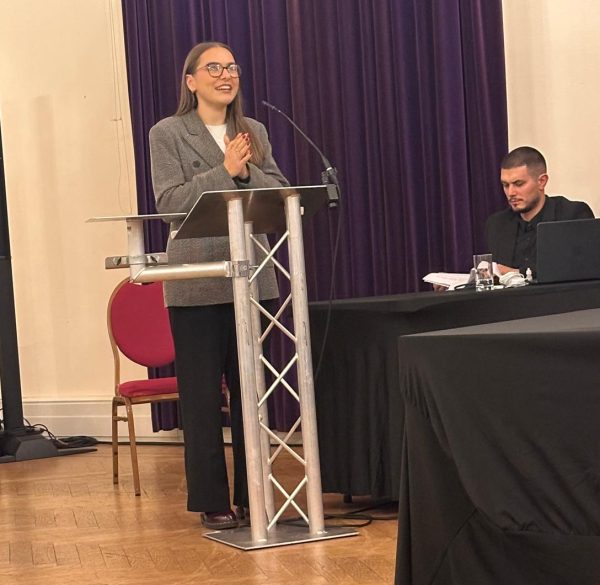
Charlotte Holmes (representative from Thrive Domestic Abuse Services)
Looking Towards the Future
The Swansea gathering highlighted interest in exploring different approaches to stress management and emotional self-regulation, while also demonstrating the value of bringing together technology developers, healthcare professionals, community organisations and people with lived experience.
The two Welsh projects provided a starting point for conversations about how neurofeedback might be explored within different support settings.
As this work develops, transparent reporting of outcomes, independent evaluation and continued engagement with participants will be important in understanding what these approaches can realistically offer.
An important part of this vision is the development of appropriate training opportunities for practitioners in the UK. Mr Alan Beresford, UK Manager of BEE Medic, has played a valuable role in supporting the event and helping to shape future plans for neurofeedback training. His continued involvement will be instrumental in supporting practitioners as they develop their knowledge and skills, with the hope that those who meet the relevant requirements may go on to join Foyht & the Federation of Holistic Therapists (FHT) register . This collaboration represents another positive step towards making neurofeedback more accessible while encouraging high standards of training and professional practice.
For Health & Wellbeing Magazine, the evening offered an opportunity to engage with an evolving area of wellbeing and to see first-hand the connections being made between different sectors and communities.
Perhaps the strongest message to take away from the evening is that meaningful progress in health and wellbeing depends not only on new ideas and technologies, but also on the relationships, conversations and collaborations that help bring them into practice.
Health & Wellbeing Magazine would like to thank Dr Nistor Becia MBE, Celtic Neurofeedback Ltd and everyone involved in bringing the evening together for the warm invitation and the opportunity to learn more about the projects, people and conversations shaping this developing area of wellbeing.
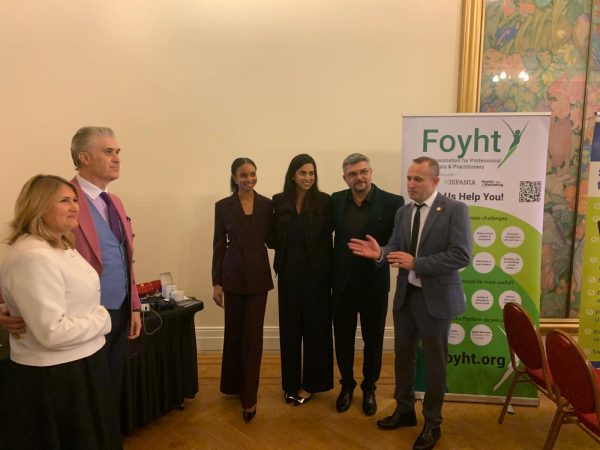
Mr Doru Zane (Director of the Centre for Psychosociology of the Romanian Ministry of Internal Affairs – Centrul de Psihosociologie al MAI, Bucharest – alongside his colleagues from the Romanian delegation),Kasia McCartney, Anjali Singh-Mitter & Dr Nistor Becia
Main – Kasia McCartney, a Neurofeedback Practitioner based in Edinburgh and a lecturer for BEE Medic, & Anjali Singh-Mitter
All photos by Sam Rowley
About the Author: Sam Rowley