
What The Moon Has To Do With You
Have you ever felt your energy, mood, or desire shift suddenly – without knowing why? What if those changes weren't random but part of a rhythm as ancient as the moon itself?
During my final year of BAMS (Bachelor of Ayurvedic Medicine and Surgery), a friend introduced me to a book that forever changed how I viewed intimacy and human connection – the Kama Sutra. Far beyond its popular image, it isn't merely a text on pleasure but a profound exploration of human behaviour, consciousness, and cosmic balance. Written by the Indian philosopher Vātsyāyana between 400 BCE and 200 CE, it reveals that desire isn't chaotic – it moves in rhythm, in harmony with nature itself.
One of the most fascinating insights in the text is its classification of women into four types – Padmini, Chitrini, Shankhini, and Hastini, each expressing a distinct blend of emotional, physical, and spiritual qualities:
- Padmini: Graceful, shy, spiritual, fair-complexioned, with doe-like eyes, a refined nature, and full breasts, etc.
- Chitrini: Slim, expressive, artistic, playful, enjoys affection and foreplay more than direct passion, with delicate thighs and prominent buttocks, etc.
- Shankhini: Fiery, bold, talkative, smaller-breasted yet full-bodied, quick in emotion, loves social chatter, etc.
- Hastini: Outgoing, confident, lively, enjoys food and comfort, full-bodied and not lean, warm-hearted, and strong-willed, etc.
But what elevates this ancient wisdom to a level of quiet science is its observation that each type experiences peak desire during specific phases of the lunar cycle – known as tithis according to Hindu lunar calendar. These days mark the alignment of cosmic and biological energy:
- Padmini: Pratipada (1st), Dwitiya (2nd), Chaturthi (4th), and Panchami (5th)
- Chitrini: Shashthi (6th), Ashtami (8th), Dashami (10th), and Dwadashi (12th)
- Shankhini: Tritiya (3rd), Saptami (7th), Ekadashi (11th), and all odd-numbered tithis.
- Hastini: Navami (9th), Chaturdashi (14th), Purnima (Full Moon), and Amavasya (New Moon)
To modern readers, this might sound poetic – yet Ancient science understood something profound long before Western science caught up. The moon governs the tides through gravitational force, creating cycles of rise and retreat across our oceans. And since the human body is made up of about 75% water, these subtle lunar rhythms are mirrored within us, influencing not only our sleep and mood but also our emotional and sexual vitality.
In this light, the Kama Sutra becomes more than a manual of pleasure – it is a map of mind–body rhythm, a guide to understanding how cosmic patterns shape our inner world.
And this is just a glimpse. With more profound study, we can decode the exact time and even the sensitive body zones influenced by each lunar tithi. Every woman carries her own rhythmic blueprint – a lunar signature of desire and energy waiting to be understood and celebrated.
If you're curious to discover your exact archetype, uncover your body's natural rhythm, and receive a personalised wellness and sexual health plan, I invite you to connect with me. Together, we can rediscover the harmony between your inner tides and the moon above – balancing pleasure, vitality, and wellbeing through the wisdom of Ayurveda.
Because, as astrophysicist Neil deGrasse Tyson once said:
"The good thing about science is that it's true whether or not you believe in it."
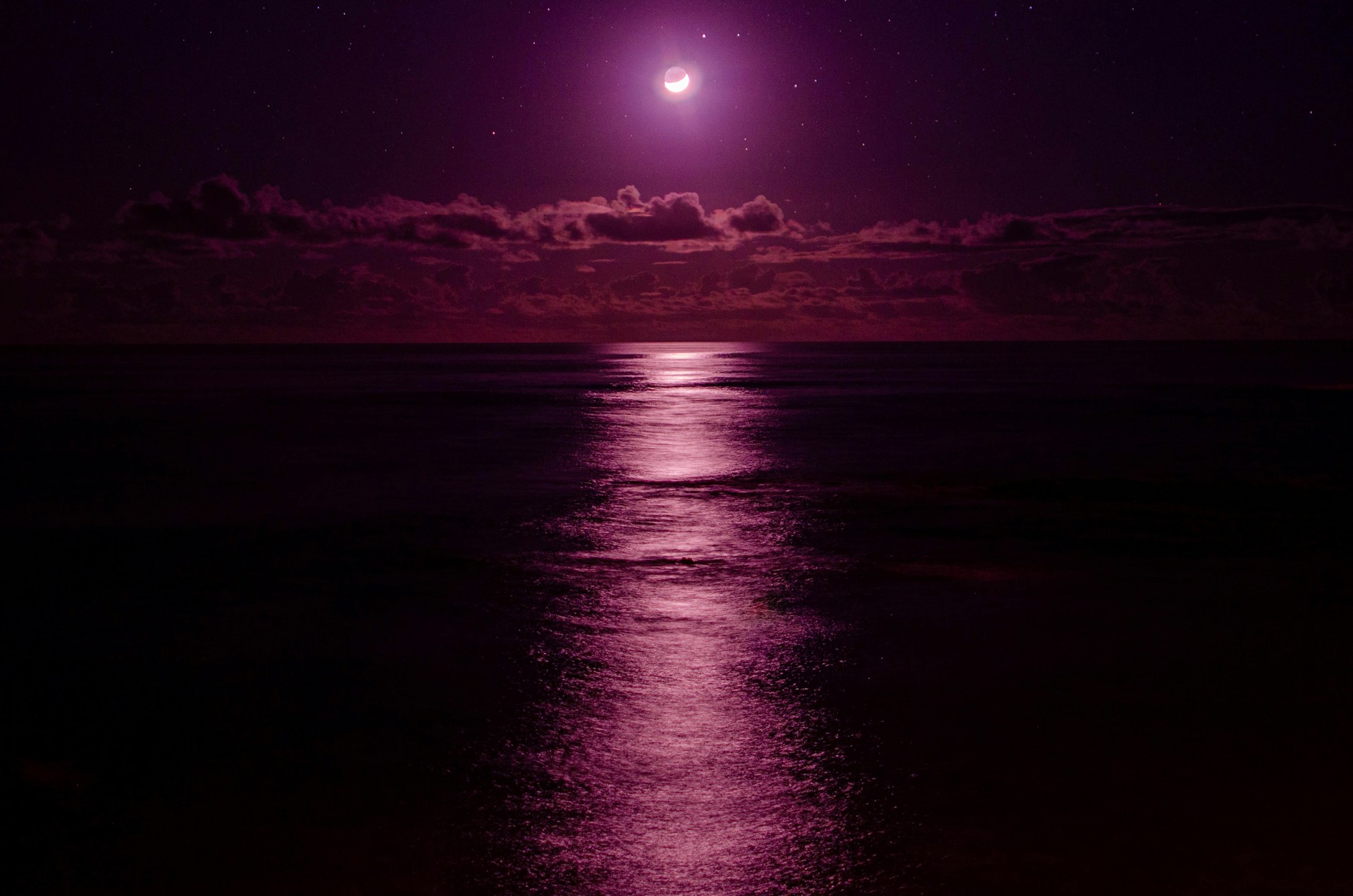
Main – Photo by Nic Rosental on Unsplash
About the Author: Rinku Bhalgat