…for Marginalised Communities & Where to Find Them
Systemic inequities based on socioeconomic status, race, ethnicity, gender identity, and geographic location continue to produce substantial disparities across health, education, and economic mobility. Marginalised populations frequently experience disproportionate rates of poverty, food insecurity, housing instability, and inadequate access to primary medical and mental healthcare. Public health research demonstrates that non-medical factors—collectively known as the social determinants of health (SDOH)—account for up to 80% of health outcomes (Braveman et al., 2011). Within this context, free community resources and social service supports function not merely as emergency relief, but as fundamental mechanisms for structural equity and human dignity.
Social Determinants of Health & Community Supports
The framework established by Healthy People 2030 organises SDOH into five core domains: Economic Stability, Education Access and Quality, Health Care Access and Quality, Neighborhood and Built Environment, and Social and Community Context (Office of Disease Prevention and Health Promotion [ODPHP], 2024). Free community services directly target these domains by supplying immediate essential goods and long-term stabilisation services.
- Economic & Nutritional Support: Free food pantries, emergency utility relief, and financial literacy workshops mitigate the daily pressures of extreme economic vulnerability.
- Healthcare & Mental Health Access: Community health clinics, sliding-scale therapeutic services, and free harm-reduction programs reduce preventable mortality and address trauma within historically underserved groups.
- Housing & Legal Stabilisation: Tenant assistance programs, shelter networks, and pro bono legal aid prevent displacement and safeguard legal rights.
According to the Centers for Disease Control and Prevention (CDC, 2024), integrating multi-sector social supports at the local level fosters community resilience and significantly improves population health metrics. When marginalised individuals receive holistic, barrier-free assistance, community stability increases and systemic costs associated with emergency medical utilisation reduce (CDC, 2024).
Barriers to Accessing Social Safety Nets
Despite the existence of non-profit organisations, municipal safety net initiatives, and grassroots Mutual Aid programs, thousands of individuals who qualify for assistance remain underserved. The primary driver of this service gap is resource fragmentation. Services are often scattered across disparate agencies with complex administrative hurdles, stringent eligibility documentation, and insufficient public awareness campaigns.
Furthermore, marginalised individuals may encounter digital divides, transportation barriers, or fear of discrimination when attempting to navigate institutional bureaucracies (Braveman et al., 2011; CDC, 2024). Consequently, centralised, low-barrier resource mapping becomes an indispensable component of social justice and public health interventions.
Centralised Directories: Bridging the Gap to Vital Aid
To overcome administrative and informational barriers, community advocates and healthcare navigators rely heavily on comprehensive, updated resource hubs. A centralised directory consolidates verified contact details, intake requirements, service locations, and program scopes into a single searchable interface. This streamlined access reduces the time and cognitive load required for individuals in crisis to connect with food assistance, shelter, healthcare, and emotional wellness supports.
Empowering marginalised populations requires connecting community members, social workers, and care coordinators directly to these curated tools. By decentralising information and ensuring open access to verified directories, communities build self-advocacy and collective healing networks.
Connecting to Support: The Role of The Holistic Healing Source for Marginalised Society
To overcome these barriers and bridge the gap to vital aid, centralised resource directories serve as indispensable tools for individuals in crisis, healthcare navigators, and social workers. Organisations like The Holistic Healing Source for Marginalised Society are actively addressing this informational gap by championing a trauma-informed approach that targets both immediate survival necessities and long-term, multidimensional well-being. To connect with comprehensive free community supports, wellness programs, and social services, individuals and advocates can access this vital tool by visiting our Free Directory of Valuable Resources for Marginalised Populations. We also offer a variety of complimentary globally accredited and Continuing Professional Development approved professional trainings, reusable advocacy content, and an award-winning library of free self help ebooks that are spirit led and trauma informed.
References
- Braveman, P., Egerter, S., & Williams, D. R. (2011). The social determinants of health: Coming of age. Annual Review of Public Health, 32(1), 381–398.
- Centers for Disease Control and Prevention. (2024). Social determinants of health (SDOH). U.S. Department of Health and Human Services.
- Office of Disease Prevention and Health Promotion. (2024). Social determinants of health – Healthy People 2030. U.S. Department of Health and Human Services.
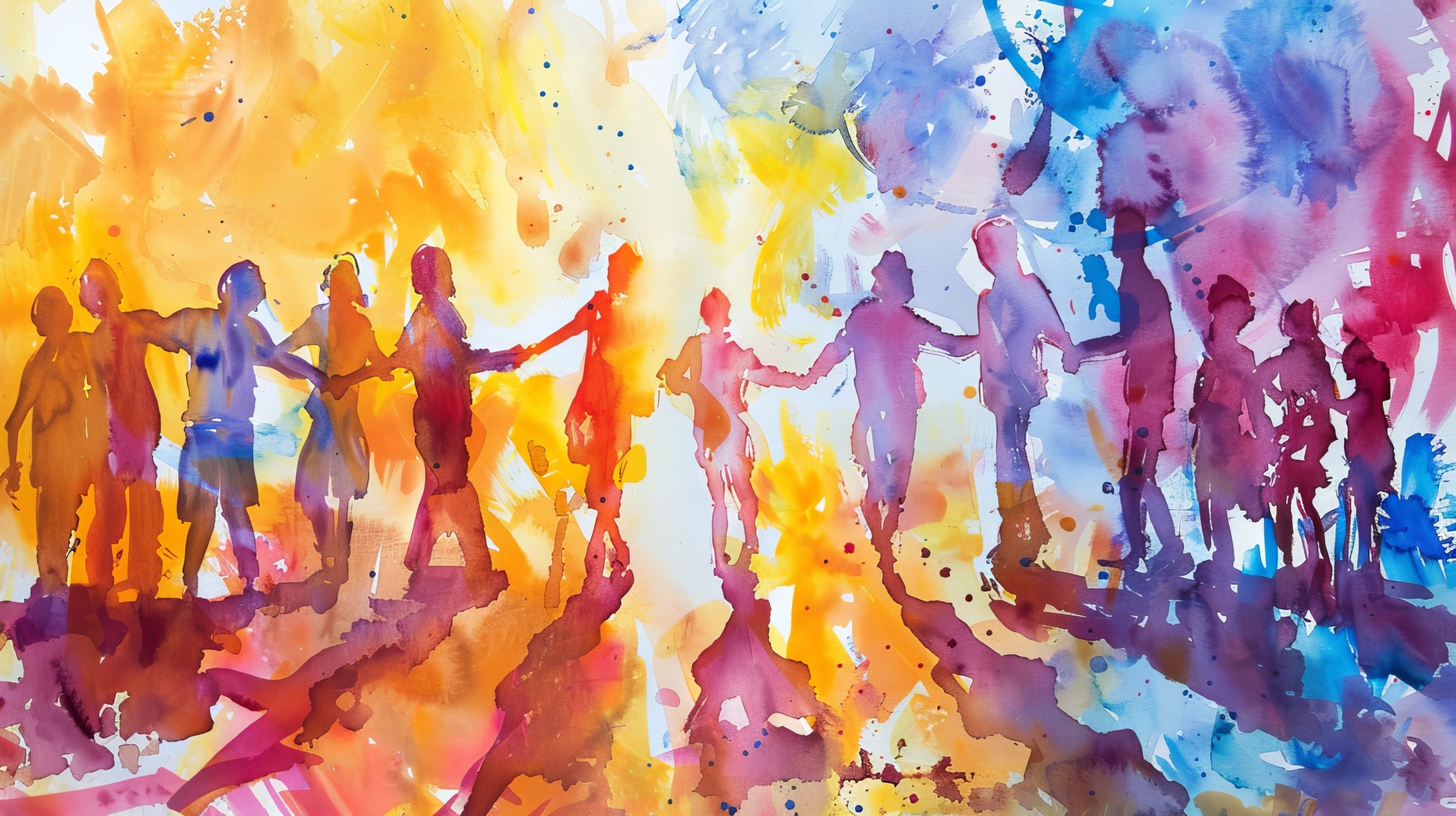
Main – Image create by Calynn Lawrence
About the Author: Calynn Lawrence