

Nail fungal infections, medically known as onychomycosis, are among the most stubborn and frustrating chronic conditions in clinical practice. They often persist for years, recur after treatment, and respond poorly to conventional therapies. Patients and practitioners alike frequently ask why these infections are so difficult to eradicate and why progress is often slow even with appropriate treatment.
From a functional and biological point of view, persistent nail mycoses are not simply superficial infections. They are the visible expression of a deeper imbalance involving the local tissue environment, the immune system, and systemic metabolic conditions.
One of the main reasons nail fungi are so resistant lies in the biology of the fungi themselves. Many of the organisms involved, including dermatophytes and yeasts, produce significant amounts of toxic byproducts such as acetaldehyde, alpha toxins, and other metabolic waste products. These substances are not harmless. They damage surrounding tissues, disrupt local immune responses, and create a hostile microenvironment that favors fungal survival.
Over time, fungi organise themselves into dense structures often referred to as biofilm-like matrices. This creates a protective barrier around the fungal colonies. The nail plate itself becomes thickened, porous, and structurally altered. As a result, topical antifungal medications struggle to penetrate deeply enough to reach the active infection. Even systemic treatments may have limited effectiveness because the blood supply to the nail is poor, and drug delivery is slow and incomplete.
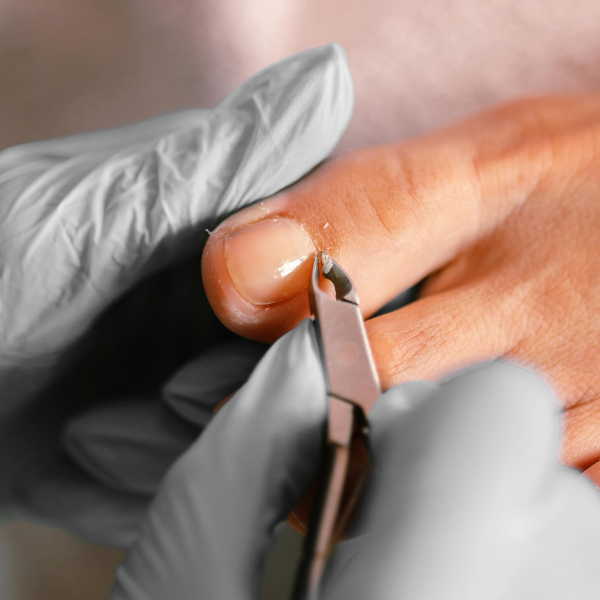
Photo by Andrea Mosti
Another important factor is the nail itself. Nails are composed of keratin, a hard and relatively impermeable protein structure. Once fungal organisms colonize the deeper layers of the nail bed, they are physically shielded from many therapeutic agents. Without mechanical thinning or debridement of the nail, medications often disperse superficially and fail to reach their target.
Beyond these mechanical and biological barriers, there are additional systemic reasons why nail mycoses become chronic.
Chronic low-grade inflammation and immune dysregulation play a central role. The immune system is responsible for controlling fungal organisms, which are normally present in small amounts on the skin. When immune surveillance is impaired due to stress, metabolic dysfunction, micronutrient deficiencies, or gut imbalance, fungi gain the opportunity to proliferate unchecked.
The role of the gut microbiota is particularly important. Probiotics are often discussed in the context of fungal infections because the balance between beneficial bacteria and fungi is critical. When the gut microbiome is disrupted by antibiotics, poor diet, or chronic stress, fungal organisms can dominate. This imbalance can influence systemic immunity and promote fungal overgrowth in distant tissues, including nails. Restoring bacterial balance through targeted probiotics may help reduce fungal load indirectly by supporting immune regulation and competitive exclusion.
Another frequently overlooked factor is the internal biochemical environment. Fungi thrive in acidic, inflamed, and oxygen-poor tissues. Chronic metabolic acidosis at the cellular level, often driven by high sugar intake, insulin resistance, and excessive refined foods, creates favorable conditions for fungal persistence.
An alkalinity-supportive lifestyle does not mean altering blood pH, which is tightly regulated, but rather improving tissue conditions. Diets rich in vegetables, minerals such as magnesium and potassium, adequate hydration, and reduced refined carbohydrates can help lower inflammatory load and improve cellular metabolism. In this context, alkalinity refers to reducing metabolic acidity and oxidative stress, not artificially changing systemic pH.
Improved metabolic balance can reduce the availability of glucose that fungi depend on for growth. It can also enhance mitochondrial function, immune efficiency, and tissue oxygenation, all of which make the environment less hospitable for fungal organisms.
For these reasons, successful management of nail mycosis often requires a multidimensional approach. Mechanical nail care, antifungal therapies, immune support, gut microbiota balance, inflammation reduction, and metabolic optimization must work together. Treating only the nail without addressing internal factors frequently leads to partial improvement or relapse.
Nail mycosis should therefore be seen not merely as a local infection, but as a marker of systemic imbalance. When internal conditions improve, the nail gradually becomes a less favorable environment for fungal survival, allowing healthy tissue to regrow over time.

References
Main – Photo by Jan Romero on Unsplash
About the Author: Anna Brilli