

At first, you don’t realise the signs or notice the habits. You don’t see them clearly because love doesn’t arrive waving red flags. It arrives quietly, in moments that feel normal, exciting, even safe. I only truly began to notice the signs once I spent real time with him, and especially once we lived together.
I knew my former partner drank, but I didn’t understand the extent of it until he moved into my home. At the beginning, we drank together and it felt fun and exciting. I looked forward to every moment we shared. It felt like a connection. It felt like love. I didn’t know then that this was only the surface.
Once he was living with me, his drinking escalated. He would drink an entire bottle of alcohol while I was at work, alone at home. I began to dread coming back. That fear sat heavy in my chest during my workday, slowly eating away at my peace of mind. I knew that when I walked through the door, I might be met with arguments, tension, or hostility. My mental health started to suffer because I was constantly bracing myself.
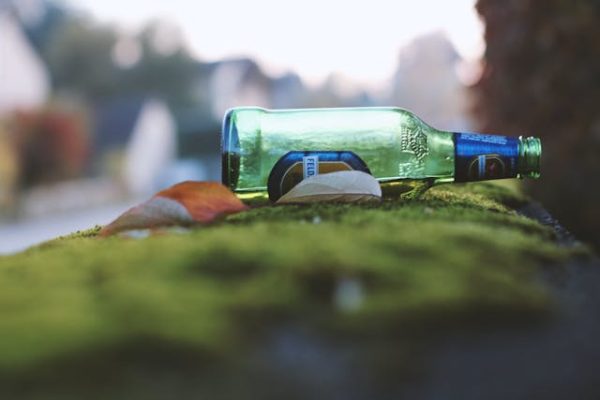
Photo by Dzenina Lukac
This wasn’t just about alcohol. It was about the emotional damage that came with it. When he was sober, he was loving and familiar—the person I fell for. But when he drank, he became someone I didn’t recognise. Someone cold. Someone who made me feel unwanted, blamed, and small. At times, it felt like he hated me. That emotional switch was confusing and deeply painful.
Loving his sober side kept me trapped. I held onto the belief that the sober version of him was the “real” one, and that if I loved him hard enough, that version would stay. Instead, I found myself living in a constant state of emotional instability. One day felt hopeful, the next devastating. This cycle slowly wore me down.
Looking back, I recognise this as emotional abuse. Not because he always meant to hurt me, but because the impact on my mental health was real. I lived in anxiety. I questioned myself. I minimised my own pain to protect his illness. I learned to tolerate behaviour that was hurting me because I was in love.
I wish I had known the signs before I asked him to live with me, but I didn’t. By the time I understood what was happening, I was already emotionally attached. Leaving wasn’t simple. Love and fear were tangled together. I was stuck in a repetitive cycle of love and hate, unsure which version of him to choose, because every time I thought about leaving, I remembered the good moments such as; the kindness, the promises, the man he was when sober.
What this experience taught me is that loving someone with an addiction can slowly cost you your own mental health if you are not protected, informed, or supported. You can love someone deeply and still be harmed by them. You can miss who they are when they are sober and still accept that the damage done when they are not is too much to carry.

Photo by Ryan Holloway
I didn’t just lose a relationship. I lost my sense of emotional safety for a long time.
And learning to choose myself again was the hardest part.
Main – Photo by Fernando Venzano on Unsplash
About the Author: Anastasia Franguolis