
The Menopause Truth No One Talks About
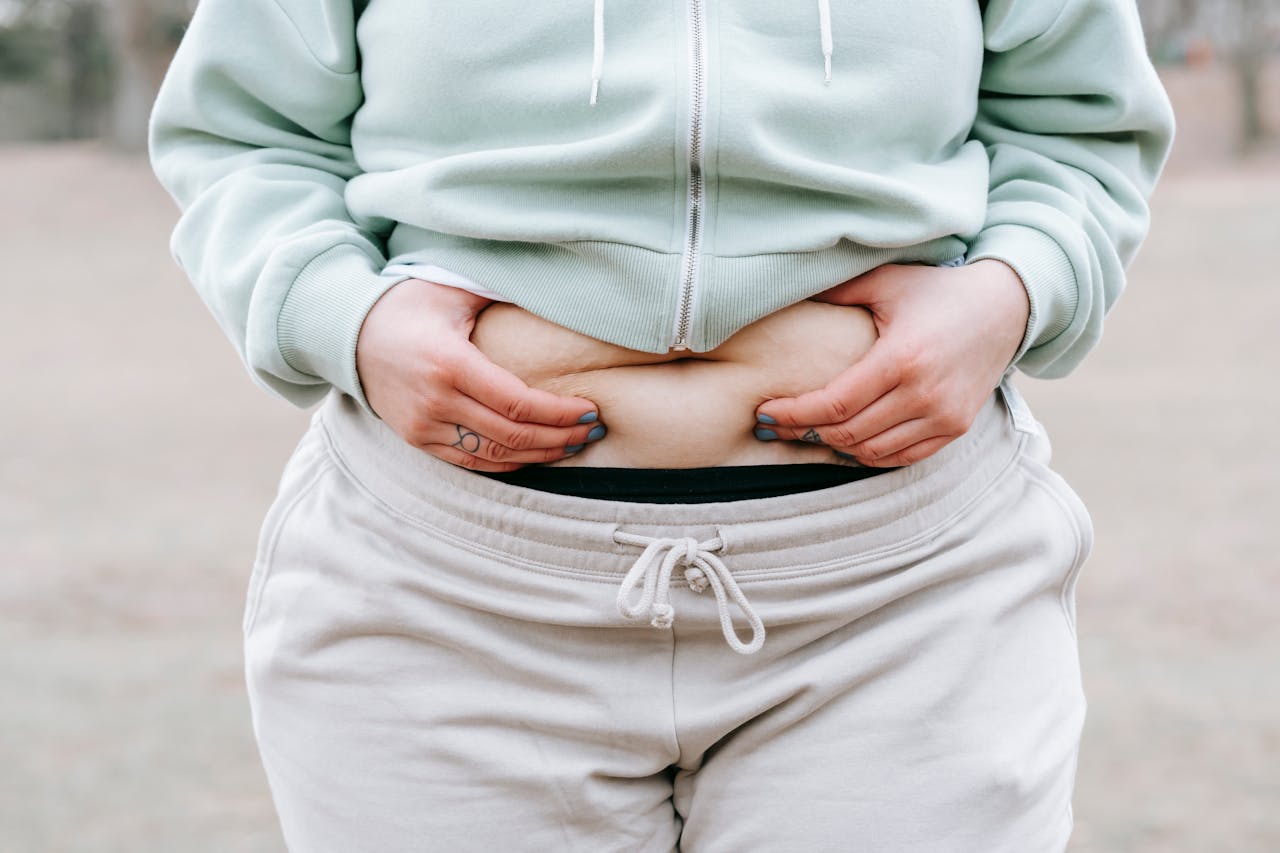
Menopause belly fat isn’t just about eating too much or moving too little—it’s driven by real biological changes in the body.
As estrogen and progesterone begin to decline, fat distribution shifts away from the hips and thighs and toward the abdomen. This is why many women notice weight gain specifically around the middle, even if their habits haven’t changed.
In cases of medically induced menopause—such as after a hysterectomy, oophorectomy, or certain cancer treatments—this shift can feel even more sudden and intense because hormone levels drop rapidly rather than gradually.
Fat tissue itself plays a role in this process. It isn’t just a storage site; it’s hormonally active and produces estrogen. The more body fat you carry, the more estrogen is produced from fat cells, which can contribute to a pattern of estrogen dominance.
Another reason for unwanted belly fat is due to the sex hormones decline; the body naturally loses muscle over time. This leads to a slower metabolism and a reduced need for calories. Less muscle means fewer calories burned at rest, making it easier to gain fat. This is why muscle maintenance and muscle building become more important during this stage of life.

Photo by RDNE Stock project
Blood sugar and insulin also have a major influence. Every time you eat, your pancreas releases insulin to move glucose out of the bloodstream. Insulin is also a fat-storage hormone.
During menopause, the body often becomes more insulin resistant, meaning blood sugar stays elevated for longer and more insulin is released. This creates an environment where the body is more likely to store fat, particularly in the abdominal area.
A plant-forward diet can be especially beneficial during menopause. Research has shown that diets rich in whole plant foods can improve insulin sensitivity, support weight management, and even reduce menopausal symptoms. Fibre also plays a critical role in helping the body eliminate excess estrogen.
Ultimately, menopause belly fat is not a failure of willpower—it’s a reflection of hormonal, metabolic, and physiological shifts. When you understand what your body needs during this transition and support it with the right nutrition, movement, and lifestyle habits, it becomes much easier to work with your body and see sustainable changes.
Main – Photo by Andres Ayrton
About the Author: Michele Buchanan