
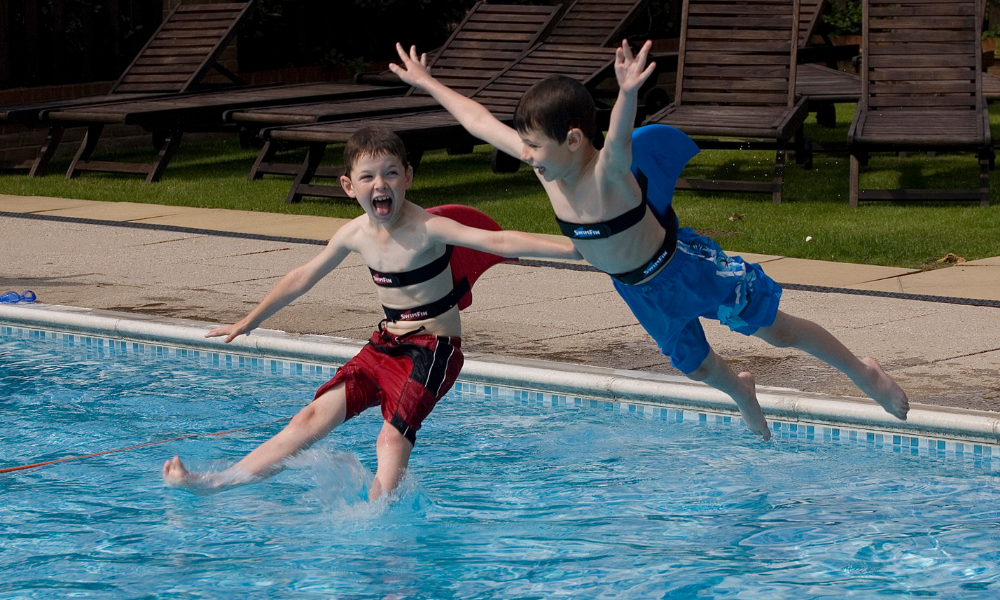
Perhaps the greatest misconception about learning to swim is that it is simply about learning to swim.
In reality, every child who overcomes fear, develops confidence and learns to trust themselves in the water is gaining something far more valuable.
They are developing skills that can support their wellbeing for life.
The strokes may eventually be forgotten, the certificates may gather dust but the confidence earned in the water often stays with us forever.
Most people think learning to swim is about safety….. it is.
But water confidence may also be one of the earliest and most powerful lessons children receive in confidence, resilience, independence and self belief.
Swimming is simply the vehicle, the real outcome is personal growth.
Children enter water as an environment where they have less control than they do on land.
They cannot move naturally, cannot breathe freely, often cannot stand up… their senses are challenged.
Yet over time they learn to adapt.
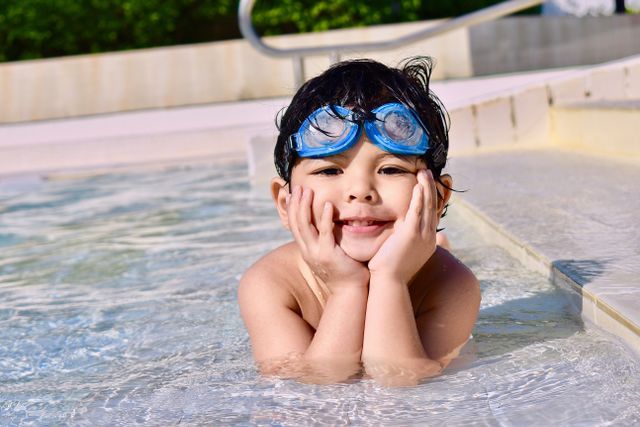
Photo by Edneil Jocusol
That process mirrors many of life’s challenges.
The child who learns to manage uncertainty in water is often learning far more than swimming.
They are learning.. how to overcome fear, how to trust themselves, how to solve problems, how to stay calm when challenged and how to persevere.
These are life skills, not swimming skills.
Water is one of the few places children cannot fake confidence
In school, children can sometimes hide behind others, in team sports they may blend into the group, in the water, confidence tends to be very honest.
Children quickly discover what they can and cannot do.
When they achieve something they once thought impossible, the confidence gained is often genuine because they know they earned it and that creates a very powerful sense of self belief.
Building resilience through small successes.
Modern psychology talks a lot about resilience, parents want resilient children.
Swimming naturally provides hundreds of opportunities to develop it.
Every swimming lesson contains challenges, things like.. putting their face in, floating independently, jumping in, swimming further,
With trying something new each achievement tells the child, I was nervous, but I did it anyway and that is resilience in its purest form.
Why emotional safety matters
Children build confidence fastest when they feel emotionally safe.
When children feel pressured, judged or frightened, they often focus on avoiding failure.
But when they feel supported and encouraged, they become willing to explore and learn.
The very same principle applies throughout life, confidence grows in environments where mistakes are viewed as part of learning.
The impact on mental wellbeing
Water has unique effects on mental wellbeing, many adults describe swimming as calming, therapeutic or relaxing.
Children experience many of these same benefits.
Water can.. reduce stress, improve mood, increase feelings of achievement, promote relaxation and provide sensory enjoyment.
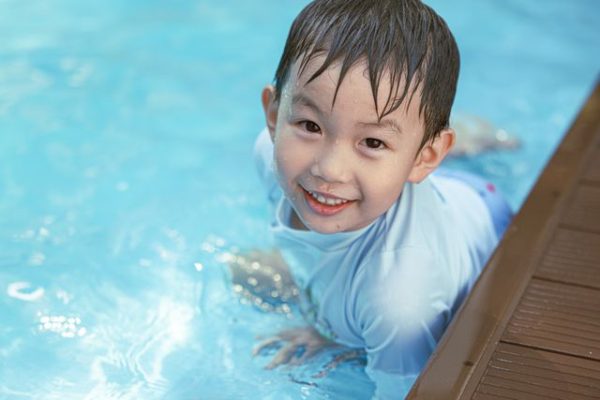
Photo by Marcus Luu
One thing I have always championed is independence.
A child who discovers they can move through water independently experiences something profound.
Not because they swam five metres, because they solved a challenge themselves.
This feeling often transfers into other areas of life, children begin thinking.. if I can do that, maybe I can do this too.
Over the years, I have seen how the right teaching environment, encouragement and learning tools can dramatically influence confidence.
Even something as simple as a child feeling secure enough to explore independently can transform their relationship with water.
This understanding was one of the driving forces behind the development of SwimFin, a teaching aid designed to encourage confidence, natural movement and independence.
Why water confidence matters beyond childhood
A confident swimmer gains access to experiences throughout life.
Family holidays
Beach activities
Water sports
Exercise
Travel
Social opportunities
Relaxation
Many adults avoid water based activities because they never developed confidence as children.
The opposite is also true, children who develop confidence in water often carry those positive experiences into adulthood.
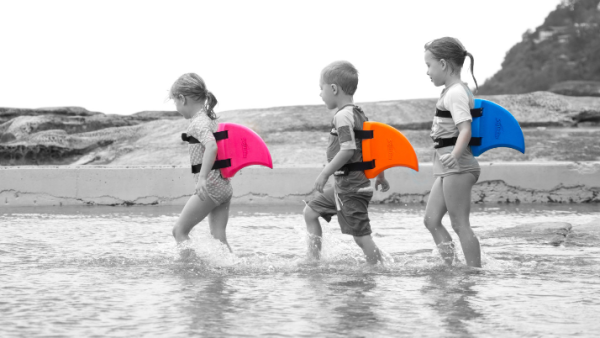
Image by SwimFin
This article isn’t really about swimming lessons at all.
It’s about confidence, mental wellbeing, resilience and personal development.
Swimming simply becomes the setting in which those life lessons are learned.
Main – Image by SwimFin
About the Author: Kev Moseley