How Aquatic Rehabilitation & Exercise Academy (AREA) is advancing therapeutic, inclusive & sustainable aquatic pathways across the UK
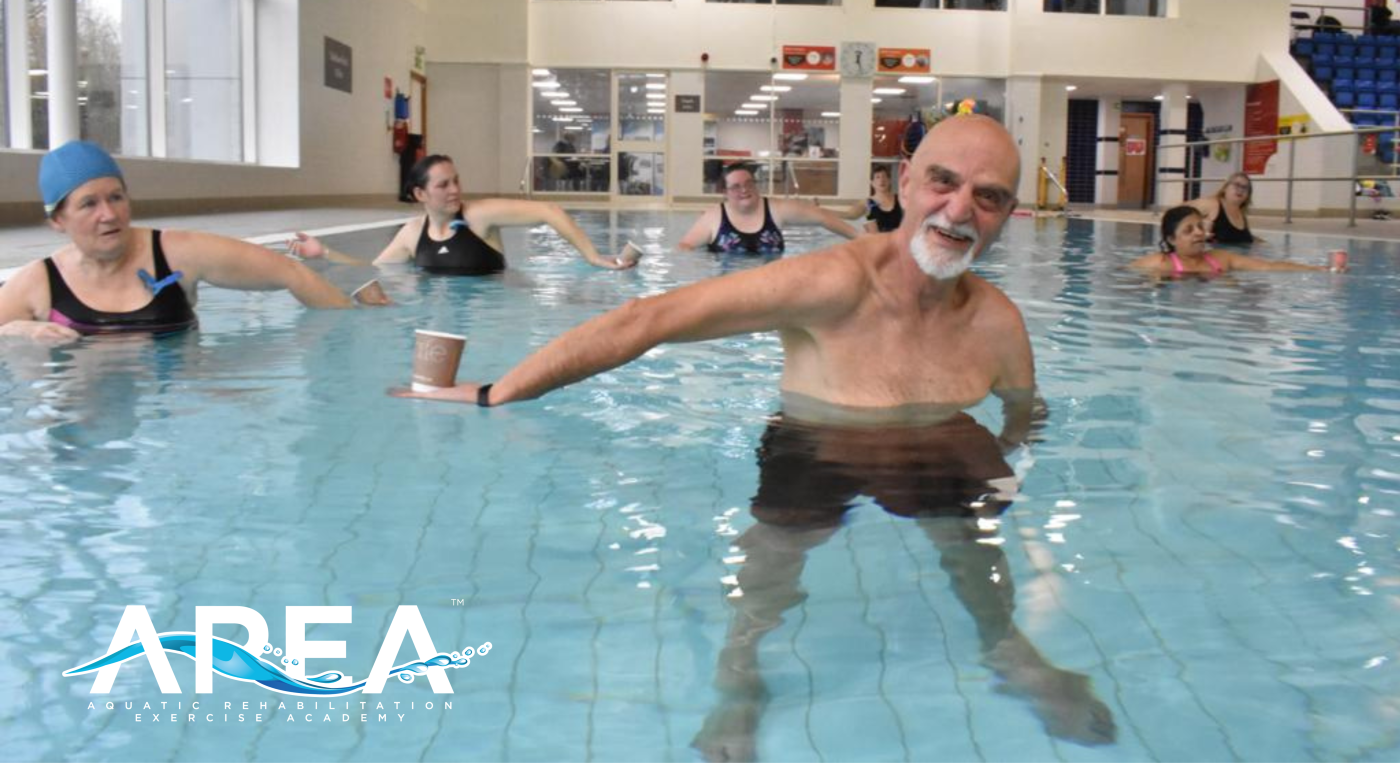
As the UK swimming industry continues to evolve, aquatic rehabilitation is emerging as a critical pillar in supporting lifelong health, functional movement and inclusive physical activity. Far beyond traditional swimming lessons or fitness classes, aquatic rehabilitation utilises the unique properties of water to enable safe, effective and accessible movement for individuals across the lifespan — from pre- and post-natal clients to older adults, athletes in recovery, and those living with long-term or complex health conditions. When delivered by appropriately trained practitioners, aquatic rehabilitation bridges the gap between healthcare, exercise and community wellbeing, positioning swimming pools as essential spaces for prevention, recovery and long-term health support.
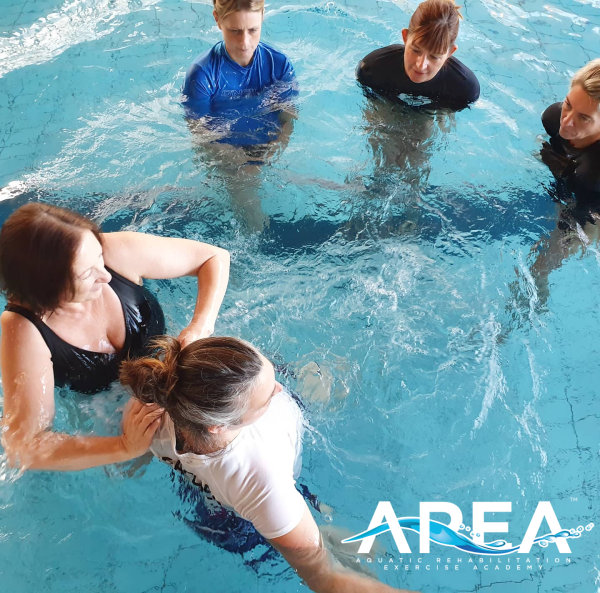
At AREA we have long believed that water is more than a place to swim: it is a therapeutic environment that restores mobility, reduces pain and builds confidence. I have seen AquaStretch — a hands-on, myofascial release approach performed in shallow water — transform the recovery pathways available to people with persistent pain, pre & post-operative needs and long-term conditions. AquaStretch combines the unique physical properties of water with guided assisted stretching and specific loading to release fascial restrictions, restore range of motion and reduce pain. Our AquaStretch facilitators work routinely one-to-one to deliver precise myofascial release, tailored to each individual's presentation.
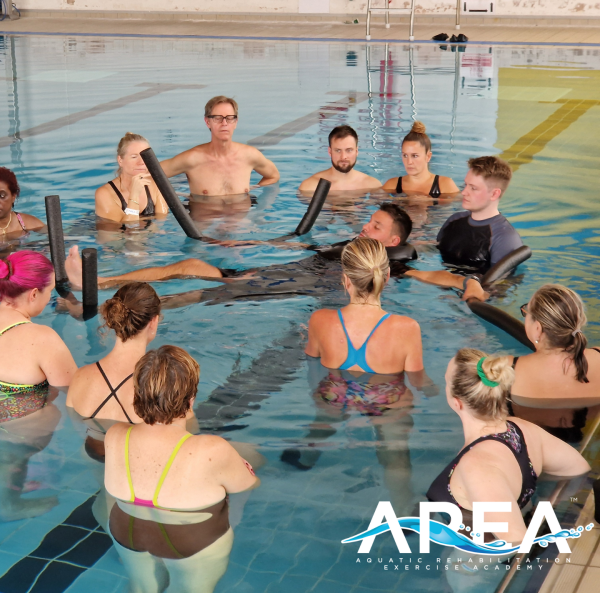
AREA also trains instructors to lead group myofascial stretching and therapy-focused sessions that pair gentle stretch, balance and endurance work with targeted release techniques. Practical, adaptable and scalable, these offerings complement conventional aquatic exercise classes. The average land-based physiotherapy session for an injury is between 6 to 12 with many people still needing to do some form of mobility and strengthening exercises to keep their body pain free and mobile, the pool is the perfect place for them to continue.
The aquatic environment gives therapists and instructors remarkable advantages. Buoyancy reduces gravitational load, allowing clients with pain or limited tolerance to move more freely; hydrostatic pressure supports circulation and proprioception; while thermal and viscous properties of water permit slow, controlled loading for strength and endurance improvements. These mechanisms help explain why aquatic programmes consistently demonstrate gains in flexibility, balance, function and pain reduction across musculoskeletal and neurological populations. Systematic reviews and meta-analyses show aquatic exercise improves strength, flexibility and quality of life, and can reduce pain and disability in conditions such as osteoarthritis and chronic low back pain.
Myofascial approaches in water — sometimes termed aquatic myofascial release (AMR) — have an emerging evidence base. Controlled studies report that AMR applied after intense exercise improves flexibility and reduces perceived pain, supporting its role in both recovery and rehabilitation pathways. When combined with progressive low-level resistance or functional tasks in the pool, myofascial release facilitates safer progression to land-based activity.
Operationally, AquaStretch and therapy-led aquatic sessions are highly adaptable for leisure operators and health partners. One-to-one facilitation provides bespoke rehabilitative care, while group myofascial classes and low-level strength sessions attract broader cohorts — older adults, pre/post-natal clients, and those with chronic pain — increasing facility utilisation and offering a distinct public-health benefit. Our trainees at AREA are taught assessment, manual facilitation in water, and class programming so centres can safely scale services that are clinically informed and commercially viable.
In practice, the benefits are compelling: improved range of motion, reduced pain, greater confidence in movement, better balance and a progressive pathway back to land activity. For operators and commissioners looking to expand therapeutic offerings, AquaStretch and aquatic myofascial modalities represent an evidence-based, person-centred addition to any pool programme.
If you would like AREA to support delivery — from one-to-one AquaStretch clinics to instructor training and group therapy programming — we are ready to help you embed safe, effective aquatic myofascial care in your facility and deliver meaningful outcomes for your community.

References
- Lêdo VRC et al., Aquatic myofascial release applied after high intensity exercise increases flexibility and decreases pain. PubMed (2018). PubMed
- Kim Y. et al., Systematic review and meta-analysis: effects of aquatic exercise. (2020). PMC
- Zhou WS et al., Effects of aquatic exercises on physical fitness and quality of life: systematic review and meta-analysis. Front Public Health (2023). Frontiers
- Physio-Pedia, Aquatic Therapy in the Management of Chronic Low Back Pain — overview of clinical benefits of hydrotherapy. Physiopedia
- Aquatic Rehabilitation & Exercise Academy (AREA) — AquaStretch programme information
Main – Photo by Engin Akyurt
About the Author: Haylley Pittam-Park