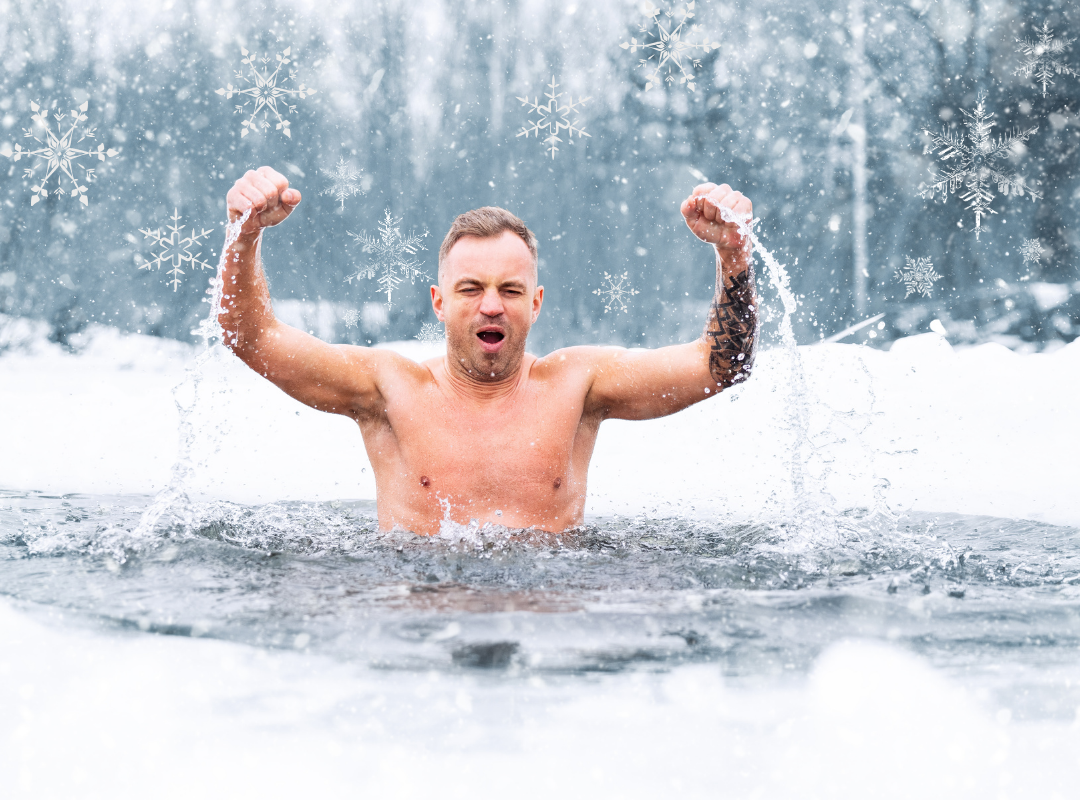
I know the thought of submerging in cold water is not top of everyone´s To Do List but there are many benefits to doing just that. And the added advantage is that if you are busy or not in the right location to get in a river or the sea regularly, or brave a spa or sport´s centre cold plunge pool, then there is still the option of switching the shower to cold.
So no excuses now. This can be free and readily available to us all.
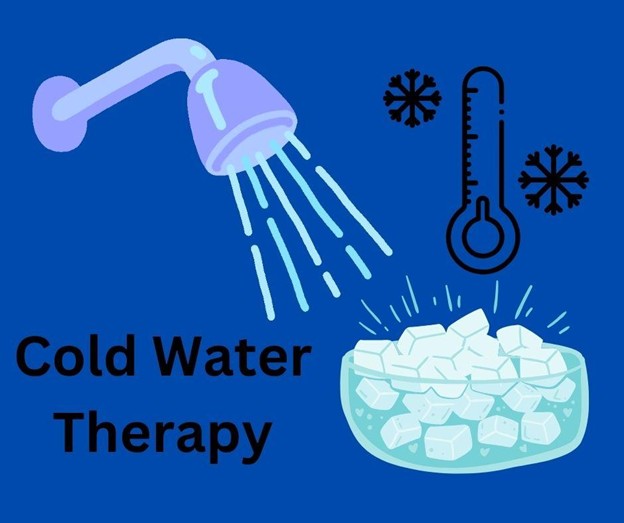
Image by Jess Twitchin
I understand that I need to make a convincing argument for WHY you would put yourself through this…and here it is. The list is long, and whilst not all are scientifically proven as yet, there are multiple compelling reasons to give this a go.
- After exercise can reduce soreness and speed muscle recovery.
- Reduce inflammation in the body (which is a precursor to disease).
- Build mental and physical resilience!
- Restore balance in the nervous system.
- Improve cognitive function and mood.
- Immune building.
- Fat burning – the cold triggers our metabolism.
- Dopamine, serotonin, cannabinoid and opioid boosting for multiple benefits.
- Cardiovascular workout – Improved circulation.
- Helps us control stress – creates a drop in cortisol.
- Increased alertness.
- Helps with sleep quality.
- Better skin and hair health.
- Clears out toxins.
- Boost in energy levels.
- Creates an interrupt & improves willpower. Can help with addictions.
- Benefits those with anxiety and depression – It stimulates happy hormones.
- Releases ´cold shock protein´ that protects the brain from dementia.
- Can help when dealing with grief and tragedy. (It is certainly a distraction!)
- Induces feelings of exhilaration and invincibility.
Of course anyone trying this out should ease in slowly. Officially cold water therapy is 14/15 degrees or less. You could begin with 15 minutes at this temperature, but if taking an ice bath then start with 1-2 minutes maximum. You may be able to build up from there over time. However if you have health concerns speak to your doctor first. For example people with concerns with epilepsy, high blood pressure, arrhythmias and abnormal heart rhythms ought not to take cold showers.
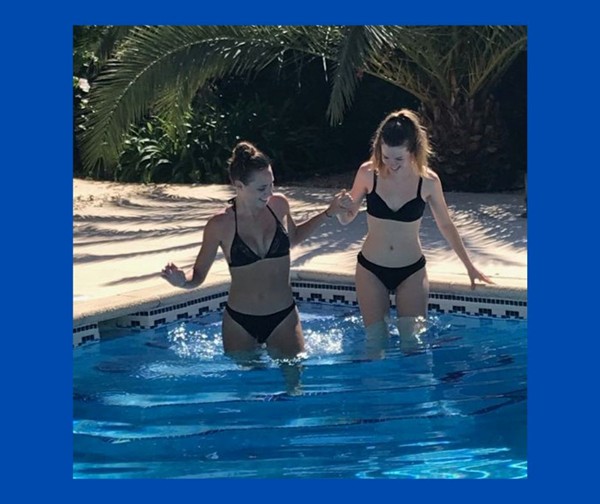
Image by Jess Twitchin
We need hot AND cold in our lives. The Finns know this and it is a strong part of their culture to go between sauna and a cold plunge. We can do that too in a spa environment or simply in the shower at home. If you only have access to a sauna, then take a cold shower afterwards.
To maximise the benefits use breathwork exercises alongside your cold water dip. Start before you get into the cold. Take slow, deep inhales through the nose (breath into the belly) and exhales out through the mouth for 1 minute. Then start to do 2 inhales followed by an exhale. The first inhale fills ¾ of your capacity, and the second the rest – then exhale slowly through the mouth like a sigh. You can then repeat this but add in a Hold towards the end of the exhale for about 30 seconds 3 times. Lastly take a recovery breath in, hold for 3 and exhale.
If you feel lightheaded at any point, take a break, and return to regular breathing.
Of course there are many breathwork exercises you can use online. Do whatever feels right to you. Make sure that you don´t hyperventilate or hold your breath once you get into the water. Take long purposeful inhales and exhales while submerged and you will feel amazing!
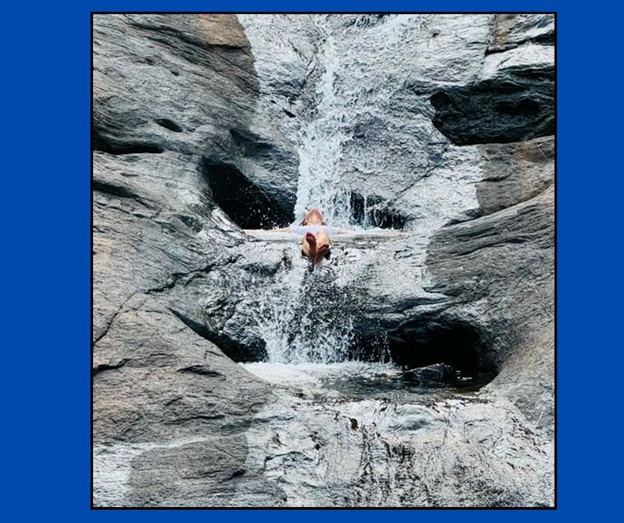
Image by Jess Twitchin
Once out of the water you can do a rapid pace breath in-out through the nose for 30 seconds. Followed by a big inhale and out before returning to regular breathing. Move your body, dry off thoroughly and dress, warm up slowly, have a hot drink before getting in a hot shower.
The father of Cold Water Therapy is Wim Hof, a motivational speaker who likes to take it to the extreme. But he is also responsible for getting the cold water message out into the world which has turned this practise into the craze it is today. Wim Hof has his own breathwork exercises to follow on YouTube.
While there are many reasons for most of us to use these techniques – both the breathwork and the cold water submersion, it is recognised that doing this is especially beneficial to those with ADHD. Many of the positive gains from these practices specifically tackle things that ADHDers struggle with. High inflammation, difficulty with focus and sleep, low dopamine, plus dysregulated nervous system, cognitive function and mood to name a few.
I offer Life, Mindset & ADHD Coaching for anyone looking to implement positive change in their life. If you are struggling with motivation and consistency with your goals, do get in touch.
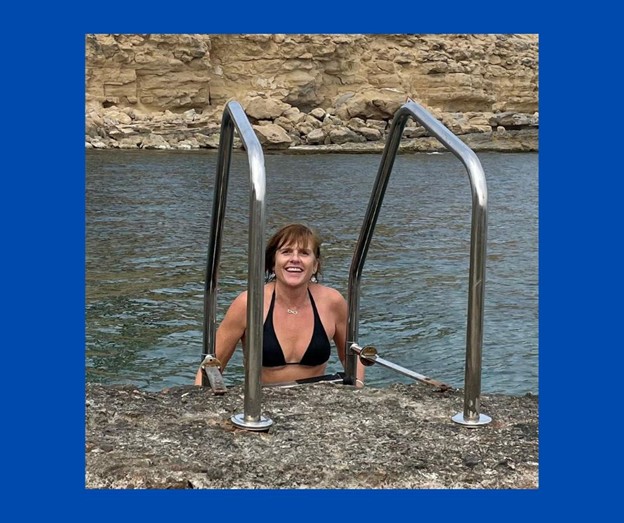
Image by Jess Twitchin
I offer a free Intro call. Contact me via Whatsapp on 0208 819 9156 or jtwitchin.time@gmail.com. Or follow me on ADHD Reset Coach on Facebook & Instragram or Jess Twitchin on LinkedIn.
Main – Image created in Canva
About the Author: Jess Twitchin