

Where Ancient Wisdom Meets Modern Neuroscience
Every so often, one of us will hear someone say—often with a slightly embarrassed smile—that EFT is "a bit woo woo." It's a comment we hear frequently, and it never offends us. If anything, it opens the door to a great conversation.

Photo by Katherine Cavanaugh on Unsplash
From the outside, EFT does look a little unusual. Tapping on acupressure points while naming what you're feeling is not something most people were taught in school or saw growing up. So it makes sense that people hesitate, or assume it's simply another wellness trend.
Recently, EFT was introduced to someone who had been struggling with persistent anxiety. They were curious but openly sceptical. Within half an hour, their breath had eased, their shoulders had softened, and the anxiety that had been gripping them had lifted. They looked up—slightly stunned—and said:
"I didn't expect to feel this different."
These are the moments that remind us why EFT has become such a central part of our work. Between us, we have over four decades in the therapeutic and healing fields, and in that time we've seen countless approaches come and go.
EFT is the one that consistently meets people where they are, works with the body's natural intelligence, and creates genuine relief without overwhelm.
And it's not because it's mystical. It's because it works with the nervous system in a way that feels incredibly natural once you've experienced it properly – and that in itself is part of the problem.
Why EFT Is So Often Misunderstood
Most misconceptions about EFT come from what it looks like—not what it actually does, because that part is still not widely taught.
Tapping appears unconventional at first, but underneath the surface, something very grounded is happening:
- the nervous system receives calming, safety-promoting signals
- cortisol levels reduce
- the fight/flight response eases
- emotional intensity drops
- the body finally gets to let go of what it's been holding
This isn't wishful thinking. It's simply how the stress response works.
And as more practitioners, therapists, and coaches integrate EFT, the conversation around it is shifting from "Is this woo?" to "Why didn't I learn this sooner?"
Let's Debunk a Few Common Myths About EFT
Myth 1: "It's just tapping—it can't be that effective."
In reality, EFT activates specific acupressure points linked to the body's stress circuitry.
It helps calm the amygdala and support the nervous system's return to balance.
This is why anxious thoughts quieten and clarity returns.
Myth 2: "It's a distraction technique."
Distraction takes you away from your experience.
EFT helps you meet your emotions without being consumed by them.
It creates space instead of avoidance.
Myth 3: "It's too simple to support trauma."
Simplicity is one of the reasons trauma-sensitive EFT is so effective.
It doesn't force reliving or overwhelm.
It gives the body permission to release safely, at its own pace.

Photo by Juliana Araujo the artist on Unsplash
How EFT Actually Works
One of the reasons EFT is so effective is that it doesn't rely on just one mechanism. It works on several levels at the same time, and each supports the others in a very natural, intuitive way.
Here's what's happening beneath the surface—explained simply:
1. The Physiological Layer
Tapping sends calming signals through the nervous system.
When you tap on specific acupressure points, you're essentially giving the body a "you're safe" message. These points are closely linked with the stress response, so tapping on them helps:
- lower the intensity of fight-or-flight
- reduce physical symptoms like tight chest, racing thoughts or a clenched jaw
- support deeper breathing and a sense of grounding
Instead of the brain sounding the alarm, tapping helps it realise there is no threat to defend against. This shift alone can create a noticeable sense of calm.
2. The Cognitive Layer
Naming what you're feeling out loud brings clarity and interrupts spiralling.
Most emotional distress comes from a loop—thoughts racing, worries stacking, old fears mixing with present pressure. When you tap while you put the truth of the moment into words ("I'm overwhelmed," "This feels too much," "Part of me is scared"), two powerful things happen:
- your thinking becomes clearer
- the emotional charge behind the thoughts starts to reduce
You're no longer battling your experience—you're acknowledging it. And that simple honesty helps the mind reorganise itself out of chaos and back into clarity.
3. The Somatic Layer
Your body participates rather than bracing or shutting down.
Emotions aren't just in the mind—they live in the body. Stress shows up as tight muscles, shallow breath, stomach tension, heaviness in the chest.
EFT works because it invites the body into the process.
As you tap, the body begins to release the physical tension linked to the emotion.
The shoulders soften, the breath deepens, the sensations shift.
Instead of gripping, bracing, or pushing things down, the body finally gets a safe outlet to let go. For many people, this is the part that feels surprisingly relieving – because the body has been waiting for permission to exhale.
4. The Memory Reconsolidation Layer
Old emotional responses soften and update, reducing reactivity long-term.
This is the deeper piece that people often feel but struggle to put into words – because it's rooted in neurobiology.
When you tap while thinking about something stressful – an old memory, a worry, a difficult moment – the brain has an opportunity to "rewrite" the emotional imprint attached to it.
You're not erasing the memory.
You're transforming the emotional reaction to the memory, and recreating new neural pathways.
Over time, this means:
- triggers lose their intensity
- old patterns stop repeating
- the body stops responding as though past danger is still present
This is why people often say things like:
"I'm thinking about it but my body isn't reacting anymore."
That's memory reconsolidation in action—done gently, naturally, and safely.
When all four layers work together…
You get a method that doesn't just soothe feelings in the moment, but helps create lasting change.

People often describe EFT's effect as:
- feeling calmer
- "lighter" in their body
- clearer in their thinking
- more centred
- more like themselves again
It's not dramatic or forceful. It's simply the body and mind remembering how to come back into balance – often far more quickly than people expect.
Let's Walk Through Some Real Client Scenarios
Scenario 1: When Anxiety Takes Over
It usually starts the same way.
A client arrives looking as though they've been holding their breath for days. Their thoughts are racing ahead of them, their chest is tight, and every part of their body is braced for something that hasn't even happened yet.
They'll often say things like,
"My mind won't stop…"
or
"I feel like I'm drowning in my own thoughts."
So we begin simply – just a few gentle tapping rounds. Nothing intense. Nothing invasive.
At first, they're still caught in the speed of it all – but then we see the shift.
The jaw softens.
The breath drops from the top of the lungs down into the belly.
The shoulders release their grip.
It's subtle but unmistakable.
A few minutes later, they look up with a completely different expression.
What felt impossible now feels manageable, because their nervous system finally had a way out of the spiral.
This is the moment people often say,
"I didn't realise how much I was carrying until it started to lift."
Scenario 2: When Old Memories Still Hold Power
There's a particular look people get when they're talking about something they believe they've "processed," but their body tells a different story.
They can describe the experience clearly – they've done the therapy, they understand the psychology – but their body still flinches.
A tight throat. A clenched stomach. A sudden shift in their voice.
This is where trauma-sensitive EFT shines.
We don't dig, or push and we don't ask them to relive the story.
Instead, we help the nervous system release the unspoken part of the memory – the part that talking never quite reached.
As we tap, something begins to unwind.
The tension in their chest loosens, the breath comes back, the emotional "charge" that used to fire so quickly starts to dissolve.
And then they say it—the sentence that tells us the shift has landed:
"I can think about it now without my whole body tensing."
For many people, this is the first time they've ever experienced remembering without reliving.
It's quiet, it's gentle and it changes everything.
Scenario 3: The Everyday Adult Who Never Really Switches Off
This one is incredibly common.
People who are brilliant at coping, functioning and pushing through – until their system quietly burns out behind the scenes.
They tell us they're "fine," but their body says otherwise:
● sleep is shallow
● patience is low
● the breath never quite fills the lungs
● tension is the new normal
They've been in a state of chronic activation for so long that stillness feels almost foreign.
We don't need hours of deep work here. Just a short EFT sequence – a few minutes of honest words and gentle tapping – and we watch the system begin to unclench.
The face softens, the breath returns and the background hum of stress that they didn't even realise was there begins to fade.
They often laugh, a little surprised, and say,
"I didn't realise how tightly I was holding myself together."
And that's the point: the shift isn't dramatic – it's deeply regulating.
It gives their nervous system permission to come back to balance, instead of surviving on fumes.
The Common Thread
In all three stories, the transformation isn't loud or theatrical.
It's quiet, subtle and steady. The kind of shift that brings someone back into their body and back into themselves.
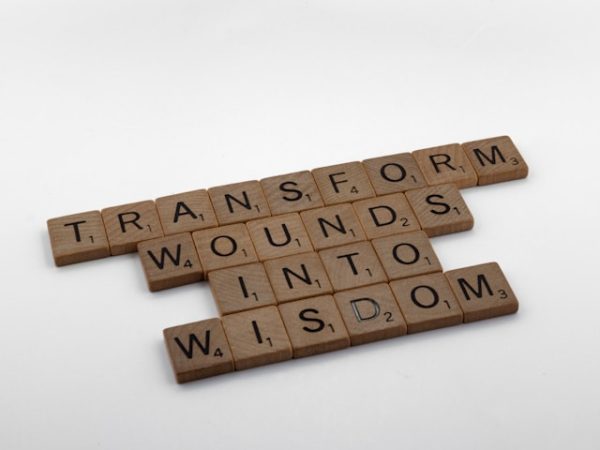
Photo by Brett Jordan on Unsplash
And that's why EFT is so powerful, because it helps the nervous system remember how to settle, release, and restore – gently and sustainably.
How do we integrate therapy with EFT?
Below are some of the key ways EFT can be integrated seamlessly and powerfully into therapy:
1. Regulating the nervous system to optimise therapy
When a client is triggered into a sympathetic fight-or-flight response, the body takes over and the prefrontal cortex goes offline. This is not a moment for cognitive processing – it is a moment for tapping. EFT helps clients regulate down the poly vagal ladder to a sense of safety and connection. Once grounded, clients can engage far more effectively in therapeutic work. We can then layer in additional tapping to consolidate a client's re-decision, such as releasing old beliefs such as "I'm only okay if I never get angry" and replacing them with healthier, more adaptive ones – like "It's safe and healthy for me to feel and express my anger." Clients can also use tapping between sessions to reinforce new beliefs and strengthen the neural pathways that are forming.
2. Helping clients who are stuck in logic reconnect with emotion
Some clients rely heavily on logic, struggle to access emotion, or feel disconnected from their bodies. EFT gently bridges this gap. It invites them into their physical sensations, supports reconnection with the body, and opens the door to emotional awareness—creating a richer and more embodied therapeutic process.
3. Consolidating breakthroughs & deepening change
At moments of insight or emotional release, even a few rounds of EFT can help anchor the experience and reinforce newly formed neural pathways. This often makes therapeutic change faster, more stable, and more deeply integrated.
4. Working with parts and inner child processes
EFT aligns beautifully with parts work. Whether a client identifies an inner child, a protective part, or a part holding old pain, tapping allows these voices to be heard and soothed with safety.
5. EFT can be combined effectively with a range of therapeutic modalities,
Including Transactional Analysis (Ego States work), the "presenting past" in Psychodynamic Therapy, CBT tools and protocols, and the new internal dialogues developed through Dialectical Therapy to name a few.
A Potent Combination of Therapy & EFT Tools in Action
One of the most effective ways to integrate therapy and EFT is to pair tapping with targeted, drill-down questioning. Tapping helps the nervous system stay regulated while exploring deeper emotional layers. As the body shifts out of a stress response, the prefrontal cortex – the part of the brain responsible for insight and emotional regulation – comes back online more quickly than with questioning alone.
With the system calmer, clients can access truth, clarity, and self-awareness with less defensiveness and overwhelm. This creates a unique space where difficult or vulnerable material can surface safely and authentically. We call this integration of tapping and guided inquiry Tap and Talk.
Drill-down questions gently guide clients beneath the surface to reveal the core belief, emotional trigger, or unmet need driving the present experience.
Examples:
- "What does that mean about you?"
- "If that were true, what would it say about your worth or safety?"
- "What's the earliest time you can remember feeling this way?"
These questions aren't confrontational – they simply help peel back layers in a regulated, grounded way. When combined with tapping, they allow deeper truths to emerge without overwhelming the client.
Once the root material has been identified and processed, we move into the next stage: reinforcing new beliefs and integrating supportive neural pathways. This often includes nurturing and reparenting the inner child – offering the compassion or reassurance that may have been missing when the limiting belief first formed. This step helps solidify the emotional shift and supports lasting change on both cognitive and nervous-system levels.

Photo by Edward Howell on Unsplash
So… Is EFT Really Woo?
If "woo" means vague, unexplainable, or pseudoscience, the answer is a clear no.
What we do know, is that EFT is:
- rooted in nervous system science
- supported by research
- applicable to anxiety, trauma, stress, overwhelm and more
- gentle enough for beginners, effective enough for complex cases
It's where ancient somatic wisdom meets modern neurobiology, and it's becoming increasingly recognised for exactly that.
Why We Are Passionate About EFT In Our Work
With a combined 40+ years in therapeutic practice, we've worked with countless approaches – some helpful, some limited, some impressive in theory but overwhelming in practice.
EFT is the approach we've both chosen to keep as an integral part of our work.
Because it honours the nervous system, it respects the body, and it gives people tools they can use for the rest of their lives.
We're committed to bringing this work into the mainstream, not just because it's effective, but because it gives people their power back – in a way that feels gentle, safe, and deeply human.
If you'd like to chat with us about this or anything else we've written about, please don't hesitate to get in touch, or connect with us on social media.
With love,
Emma & Jill
Main – Photo by Noura Haddad on Unsplash
About the Author: Emma Starling & Jill Nicholson