
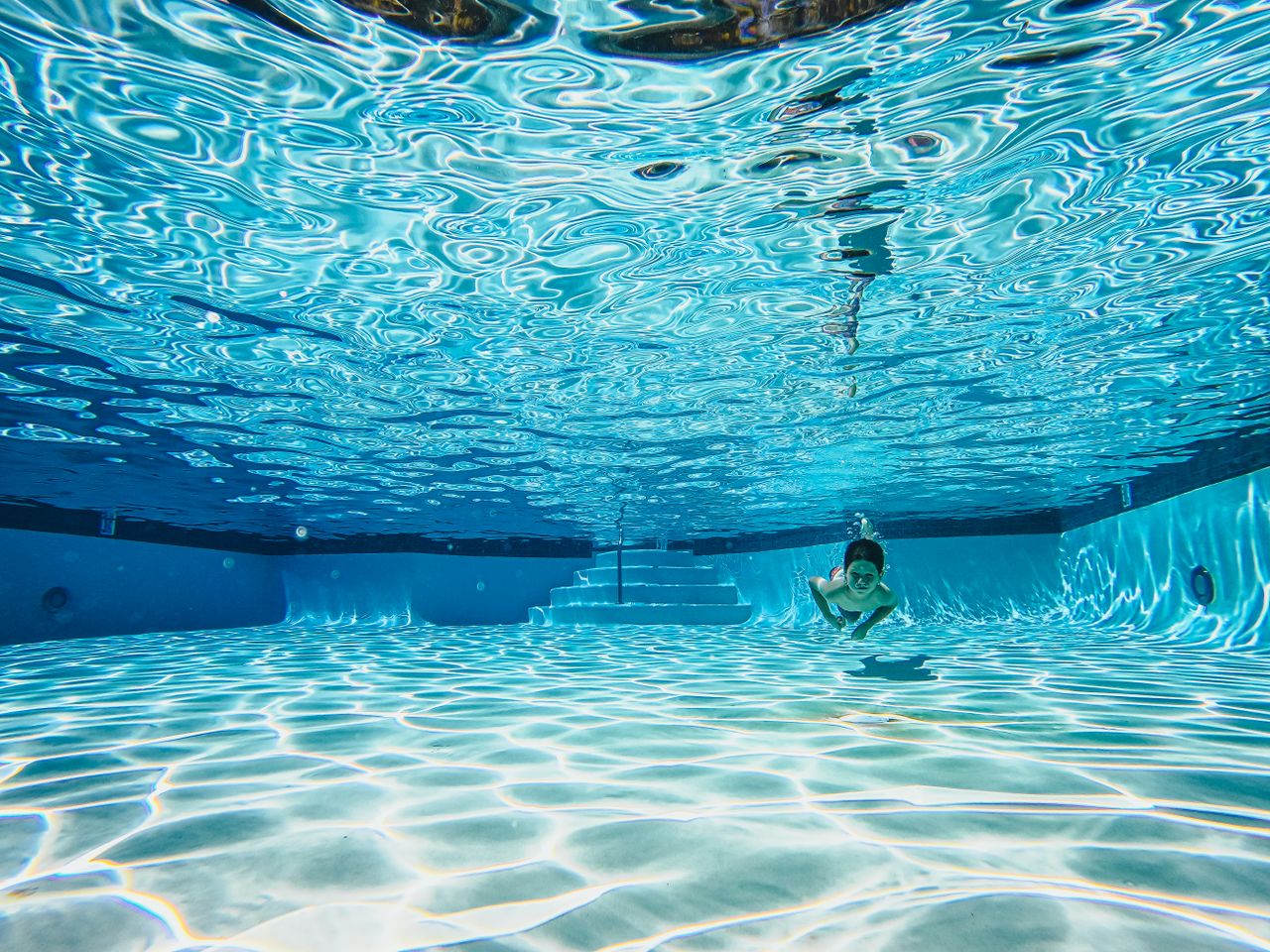
Building Resilience, Safety & Self-Belief in the Water
I guess for many parents, the main reason for enrolling their child in swimming lessons is simple… safety.
And that’s a decision that makes perfect sense.
Learning to swim is one of the most important life skills a child can acquire.
It provides opportunities for exercise, family activities, holidays and perhaps most importantly, can help reduce the risk of drowning.
But after nearly five decades in the swimming industry, I know that swimming lessons can offer something far greater than the ability to swim.
Done well, they can help build resilience, confidence, independence and self belief that extends far beyond the swimming pool.
In a world where many children face increasing pressures, growing anxiety and fewer opportunities to explore independently, swimming provides a unique environment where children can learn some of life’s most valuable lessons.
The first lesson is often overcoming fear.
For many children, stepping into the water represents entering an unfamiliar world.
They cannot move as they do on land, they may be unable to touch the bottom, their balance feels different and even breathing requires a different level of awareness.
A parent might see a simple swimming lesson but to a child it can feel like a significant challenge.
Fear is not necessarily a bad thing, fear is often the starting point of growth.
The important thing is understanding that.
All children learning to swim experiences moments of uncertainty.
The difference between those who develop confidence and those who struggle is how that fear is managed.
Children learn best when they feel safe, not just physically safe, but emotionally safe.
Supported children who are encouraged and free to make mistakes become more willing to explore their abilities, they stop worrying about getting things wrong and start focusing on what they can do.
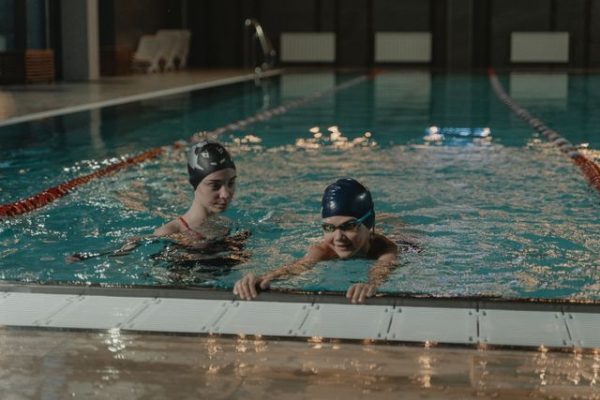
Photo by Tima Miroshnichenko
This is where confidence begins.
Don’t misunderstand confidence, many people think confidence comes after success.
But really, confidence is built through a series of small positive steps.
To a child that could be…
Putting their face in the water for the first time.
Floating independently.
Jumping into the pool.
Swimming back to the side.
Recovering from a wobble or an unexpected splash.
Any achievement which might seem small to an adult, to a child it becomes evidence that they can cope with challenges.
These experiences create resilience.
Resilience is not something that can be taught through words alone.
It needs to develop through experience, children become resilient when they encounter challenges, work through them and discover that they are capable of succeeding.
Swimming provides these opportunities in abundance.
Every lesson presents a new challenge, every challenge presents an opportunity to learn and every success builds confidence for the next challenge ahead.
The most powerful and rewarding moments in any swimming lesson is when a child discovers something for themselves.
Not because an adult told them, not because they were physically guided through it but because they experienced it.
Perhaps they realise they can float without assistance, perhaps they recover their balance independently or perhaps they venture further away from the poolside than they ever have before.
These moments create genuine self belief because the child owns the achievement.
I’ve seen this happen time and time again.
Then they are no longer relying entirely on others for reassurance, they begin trusting themselves.
That trust often becomes one of the greatest gifts swimming can provide.
Over the years, I have also seen how the right learning environment can dramatically influence a child’s progress.
Modern research continues to show that children learn most effectively when they feel engaged, relaxed and emotionally secure, not stressed, traumatised or panicked.
This understanding has led to significant changes in many areas of education, and swimming should be no different.
Learning should not be something that happens to children. It should be something they actively participate in.
Why play remains such a powerful teaching tool.
Through games, imagination and exploration, children develop skills naturally.
They learn coordination, balance, problem solving and decision making without feeling pressured.
Most importantly, they begin to associate water with enjoyment rather than anxiety.
When children enjoy the process, they are more likely to stay engaged and continue swimming throughout life.
This understanding of child psychology played a significant role in SwimFins design.
While many traditional swimming aids focus primarily on flotation, I wanted to create something that encouraged confidence, independence and natural movement, something that was fun for the kids.
It became clear over time that the greatest benefit was often psychological rather than physical.
If children became more adventurous, more willing to experiment and more confident in their own abilities then that’s all positive.
We have turned this around.. Instead of focusing on uncertainty, they became explorers, adventurers and active participants in their own learning journey.
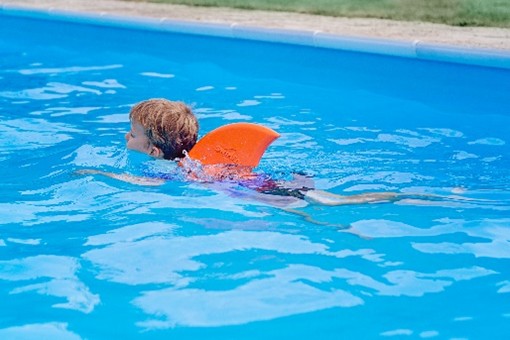
Image by SwimFin
That shift in mind set is incredibly powerful.
Ultimately, swimming lessons should be about far more than teaching strokes and achieving certificates.
Of course, technical skills matter, water safety matters, learning to swim matters.
But perhaps the greatest success is helping children discover what they are capable of achieving.
It’s worth remembering…
Every confident swimmer was once nervous, every independent swimmer once needed support and every resilient swimmer once faced challenges they weren’t sure they could overcome.
The journey from uncertainty to confidence is where the real value lies.
Long after the badges have been collected and the swimming lessons have ended, the confidence gained from overcoming challenges, solving problems and believing in themselves can remain for a lifetime.
That is why swimming is about so much more than swimming, it’s also about helping children become safer, stronger and more confident individuals.
That may be one of the most valuable lessons they ever learn.
Main – Photo by Kindel Media
About the Author: Kev Moseley