

How Diet May Influence Anxiety & Depression
When I hear about the growing prevalence of mental health problems I can’t help but think back to when I was in practice as a nutritional therapist. Two clients in particular experienced remarkable improvements just by changing their diets. While I fully appreciate that mental health is influenced by many factors such as trauma, relationships, stress or isolation, to name a few, I do believe that nutrition has an important part to play.
Sally was a neighbour’s daughter who I had known for many years. She was interested in nutrition and natural health and I had suggested remedies over the years as she struggled with mental health problems, especially anxiety and depression. These came to a head after an infection whilst in India when she was given copious amounts of drugs. Back home in England she suffered a psychotic episode and was hospitalised and placed on heavy medication.
Sally says, ‘After coming out of hospital, dispirited by the experience, I was ready to embrace nutritional therapy 100% in order to regain my health. Using a food diary and a carefully planned elimination diet, I started my recovery journey. It became clear as I re-introduced foods that dairy and gluten were causing problems, so using Barbara’s recipe books, I removed these two completely from my diet. Within 6 weeks my periods normalised, I started sweating normally and the acute anxiety I woke up with every morning completely disappeared. I couldn’t believe that food could have such a powerful impact on my physiology’.
I am still in touch with Sally and twenty years later she is a passionate advocate for healthy eating, runs her own business and has contributed hugely to her local arts community. She is very aware though that even the smallest amount of gluten or dairy causes her to wake the following morning feeling low and anxious.
My next client Neil was in his thirties when he was recommended to see me because of his mental health issues. He had severe depression and anxiety and hadn’t worked for over 10 years. I was concerned as to whether I could help him as often with depression there are underlying emotional problems and I didn’t feel he had the money or wherewithal to deal with deep issues.
However the first place to start was to change Neil’s diet which was not good. Like many depressives he felt worse in the morning so lay in bed until nearly lunchtime. He would then eat breakfast of cereal or toast and jam but then wasn’t hungry at lunchtime. By mid afternoon he was snacking on biscuits, chocolate or crisps and his evening meal was anything easy that he could lay his hands on such as beans on toast, a sandwich or a pie.
I put Neil on a strict regime which involved setting his alarm clock for 4am at which point he had to eat something sustaining such as oatcakes with nut butter. I suspected that Neil’s poor diet was contributing to unstable blood sugar levels making his mornings particularly difficult. Neil was allowed to go back to sleep but had to be up by 7.30am to eat a substantial breakfast such as overnight oats with yogurt and fruit, porridge or eggs.
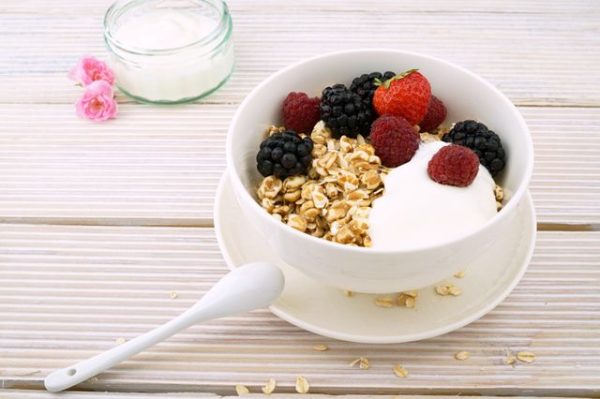
Photo by Life Of Pix
This was followed by a mid morning snack of fruit and nuts and then at lunchtime he had his main meal, protein with lots of vegetables. Mid afternoon was another snack then his evening meal was another substantial offering such as a salad with fish or an omelette or a pasta dish.
When Neil came to see me a few weeks later he was already noticing a difference in how he felt. He had followed my advice to the letter and I couldn’t have asked for more.Two months later Neil came to say goodbye. He was a new man, even though all that I had done was to change his diet. Not only had his depression and anxiety lifted but he had started to apply for jobs and even more exciting he was learning to drive, something he had always felt too anxious to attempt.
These are two very different case studies but both show the powerful influence that our diet can have on our mental wellbeing. Of course not every mental health problem could be solved just by dietary change alone and nutrition should never be seen as a replacement for appropriate medical care. However having witnessed these improvements firsthand I believe it would be beneficial to see nutrition included in any treatment plan.
Please note: To protect the privacy of those involved names have been changed.
Barbara’s latest book Healing Cuisine is out now and is available from Amazon, BarbaraCousins.com or to order from bookshops
Main – Photo by Wolf Art
About the Author: Barbara Cousins