
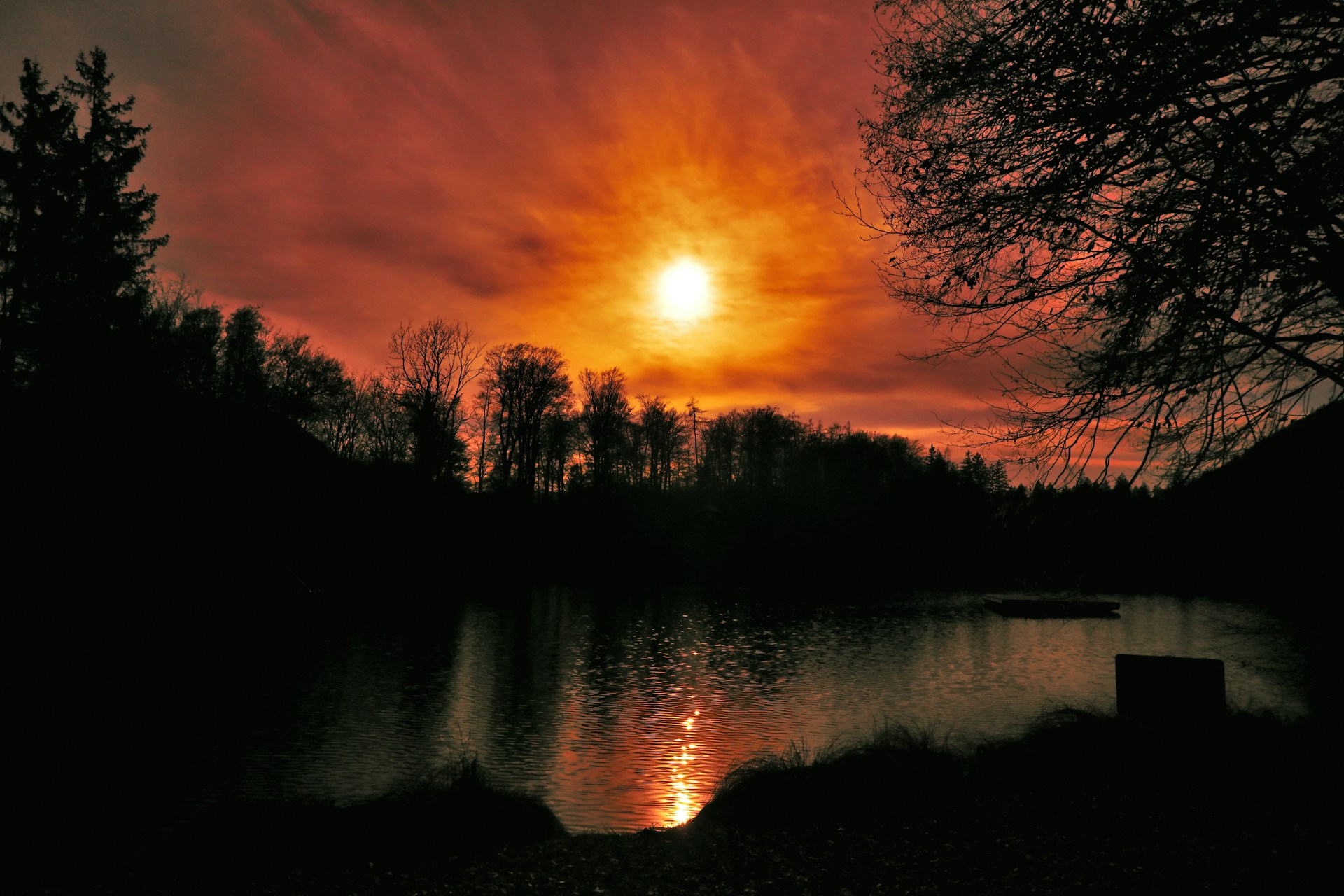
How seasonal wisdom, the nervous system & ancient traditions invite us to restore harmony between doing & being.
In the quiet turning of the seasons, there comes a moment when light and darkness stand in perfect balance.
The Spring Equinox marks this delicate threshold — a point where winter begins to release its hold and the promise of new life quietly emerges.
For thousands of years, cultures around the world have recognised this moment as a sacred transition, aligning their calendars and spiritual traditions with the rhythms of the earth.
Perhaps it is also an invitation for us to pause, reflect, and restore balance within ourselves.
"The individual is the mirror of the universe. All material and spiritual phenomena in the universe are present in the individual. In the same way, all phenomena present in the individual are contained in the universe." – Charaka Samhita (Ayurveda texts)

Photo by Michael & Diane Weidner on Unsplash
Twice each year, the natural world offers us a moment of remarkable balance.
The Spring Equinox marks the point in the Earth's orbit when day and night exist in almost equal measure. For a brief period, light and darkness share the sky in perfect equilibrium before the cycle begins to shift again and the days gradually grow longer.
Across many cultures and ancient traditions, this moment has long been recognised as a powerful threshold — a time of transition, renewal, and recalibration.
In nature, the signs of change are already unfolding. The first blossoms begin to appear, birdsong grows louder in the early morning, and the subtle warmth of the sun signals the return of life after the stillness of winter.
Yet the deeper symbolism of the equinox goes beyond seasonal change.
It speaks to something profoundly human: the continual search for balance within our own lives.
Balance between light and dark.
Movement and stillness.
Action and rest.
And perhaps most importantly, balance between doing and being.
Nature's Model of Balance
Nature rarely operates in extremes for long. Instead, it constantly moves towards equilibrium.
Winter encourages stillness, restoration, and inward reflection. Spring brings gradual awakening and renewed vitality. Summer expands into fullness and outward expression, while autumn gently invites release and integration.
Each phase has its purpose.
In modern life, however, we often attempt to remain in a single state of activity — pushing forward regardless of the natural rhythms that support our wellbeing.
Over time this can create a subtle sense of imbalance.
Many people describe feeling slightly "off," fatigued, or disconnected from themselves without always understanding why.
In many cases, the body is simply responding to a lifestyle that has moved too far from the rhythms that once guided human life.
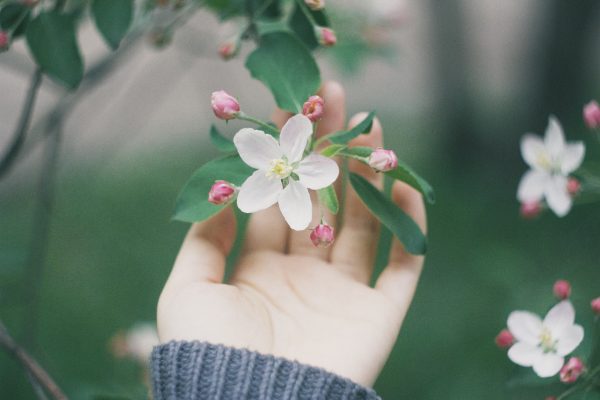
Photo by Nazym Jumadilova on Unsplash
The Nervous System & the Need for Balance
From the perspective of physiology, balance is also essential for the health of the nervous system.
The autonomic nervous system functions through two complementary branches: the sympathetic nervous system, which prepares the body for action and response, and the parasympathetic nervous system, which supports rest, digestion, healing, and recovery.
When these systems operate in harmony, the body moves naturally between states of engagement and restoration.
However, the demands of modern life — constant stimulation, information, and responsibility — can keep the nervous system in a prolonged state of activation.
When this happens, many people experience fatigue, anxiety, disrupted sleep, or a sense of being perpetually "on."
The equinox offers a powerful reminder that balance is not simply a philosophical concept. It is a biological necessity.
Just as nature moves between light and darkness, the body also requires a continual rhythm between effort and restoration.
Masculine & Feminine Energies
Many spiritual traditions describe balance through the interplay of masculine and feminine energies.
These archetypal forces exist within every individual, regardless of gender.
The masculine principle is often associated with action, direction, structure, and outward expression.
The feminine principle relates more closely to intuition, receptivity, creativity, and inner awareness.
Neither is superior to the other. Instead, they are complementary energies that support a balanced and harmonious life.
In contemporary culture, however, there is often a strong emphasis on constant action, productivity, and achievement — qualities aligned with the outward expression of the masculine principle.
When these qualities dominate without the balancing influence of the feminine — reflection, intuition, and rest — life can begin to feel overly driven and exhausting.
The Spring Equinox symbolically invites us to restore harmony between these energies.
To recognise that both effort and surrender, structure and flow, action and receptivity are necessary for true balance.
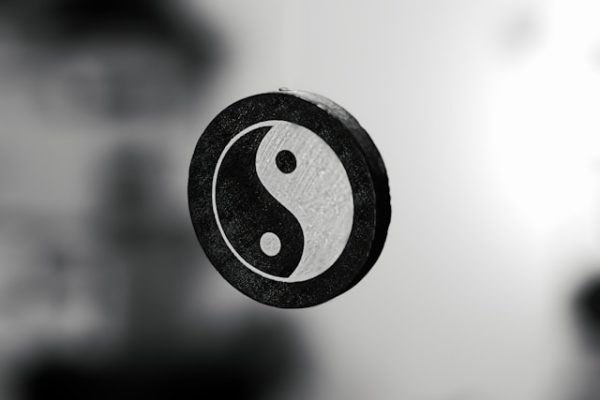
Photo by Gabriel Vasiliu on Unsplash
The Spiritual Significance of the Season
Beyond its astronomical and symbolic meaning, this time of year also holds deep spiritual significance in many traditions around the world.
In the Vedic calendar, the arrival of spring is associated with the beginning of a new cycle. The lunar month of Chaitra marks the start of the traditional Vedic New Year in several regions of India.
This period also coincides with Chaitra Navaratri, a sacred nine-day festival honouring the divine feminine in her many forms. Navaratri symbolises the victory of light over darkness and encourages inner purification, renewal, and spiritual awakening. It symbolises the journey from darkness into light — both in the outer world and within the human consciousness.
Each stage of Navaratri represents the gradual awakening of energy, clarity, and wisdom within the individual. In yogic philosophy, this process is often associated with the rising of Shakti, the divine creative energy that moves life forward.
Just as the earth begins to awaken from the stillness of winter, these traditions remind us that transformation often begins quietly — through awareness, reflection, and the willingness to release what no longer serves us.
During these nine days, many people engage in prayer, meditation, fasting, or devotional practices as a way of aligning themselves with the rising energy of the new season.
Interestingly, many ancient cultures celebrated the beginning of the new year not in the depths of winter, but in the spring, when nature itself begins anew.
Across these ancient cultures and traditional calendars (prior to the introduction of the Gregorian calendar), the return of light and life in the spring was seen as the natural moment for new beginnings and inner renewal.
When viewed through this lens, the Spring Equinox becomes more than an astronomical event or seasonal transition.
It becomes a spiritual reset point.
A time to release what no longer serves, clarify intentions, and step forward into a new cycle with renewed awareness. A symbolic doorway into a new cycle of growth, intention, and inner alignment.
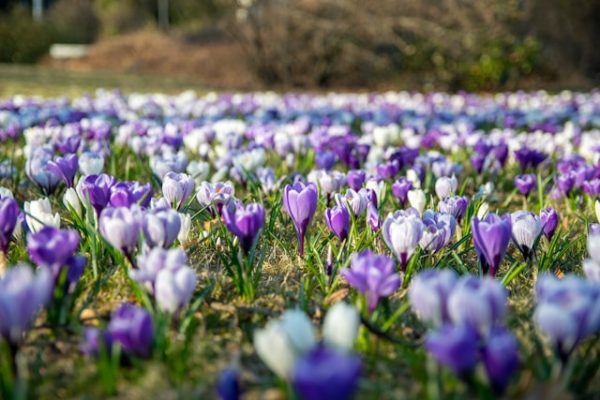
Photo by Anastasiya Dalenka on Unsplash
A Season for Renewal
In Ayurveda, spring is associated with the qualities of Kapha, which carries attributes of heaviness, moisture, and stability.
As winter transitions into spring, the accumulated heaviness of the colder months begins to melt and move. This is why many people experience congestion, sluggishness, or seasonal allergies during this time.
At the same time, spring offers an ideal opportunity for gentle cleansing and renewal.
Light movement, fresh seasonal foods, time spent in nature, and mindful daily routines can all help support the body's natural transition into the new season.
Rather than rushing immediately into productivity, Ayurveda encourages a gradual awakening — allowing the body and mind to adjust in harmony with nature's rhythm.
Perhaps the real invitation of this season is not simply to begin again, but to begin again with greater awareness of the rhythms that guide both nature and ourselves.
A Moment to Recalibrate
The Spring Equinox ultimately offers a quiet invitation.
A moment to pause within the movement of daily life and reflect on where balance might be restored.
Where might we benefit from allowing more space?
More stillness?
More connection with the natural world around us?
Sometimes the most meaningful shifts arise not from dramatic change but from small, conscious adjustments.
Spending time outdoors in natural daylight.
Practicing gentle movement such as yoga or walking.
Creating moments of stillness through meditation or breath awareness.
And perhaps most importantly, listening to the subtle signals of the body.
Often the body communicates its needs long before imbalance becomes obvious.
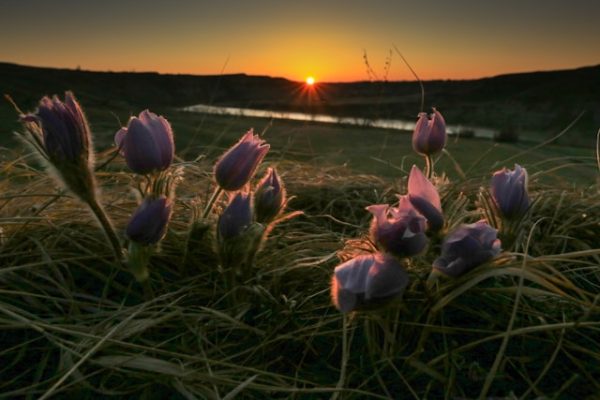
Photo by David Wirzba on Unsplash
Returning to Balance
The Spring Equinox reminds us that balance is not something we achieve once and then hold forever.
It is something we continually return to.
Just as nature moves through cycles of expansion and contraction, activity and rest, light and darkness, our own lives also move through phases of growth, integration, and renewal.
By paying attention to these rhythms — both within ourselves and in the natural world — we begin to cultivate a deeper sense of harmony.
And in doing so, we reconnect with a quiet truth that many ancient traditions have long understood:
Balance is not found in constant effort.
It is found in the dynamic relationship between doing and being.
A Space to Pause & Reset
Moments such as the Spring Equinox remind us how valuable it can be to step briefly out of the momentum of daily life and reconnect with ourselves.
Creating intentional spaces for reflection, stillness, and gentle renewal can help us integrate these seasonal transitions more consciously.
In the coming weeks I will also be holding a Spring Reset Retreat Day, offering an opportunity to explore many of these themes more deeply through meditation, gentle practices, and time for reflection.
It is designed as a nurturing space to pause, reconnect with your inner rhythm, and welcome the new season with clarity and balance.
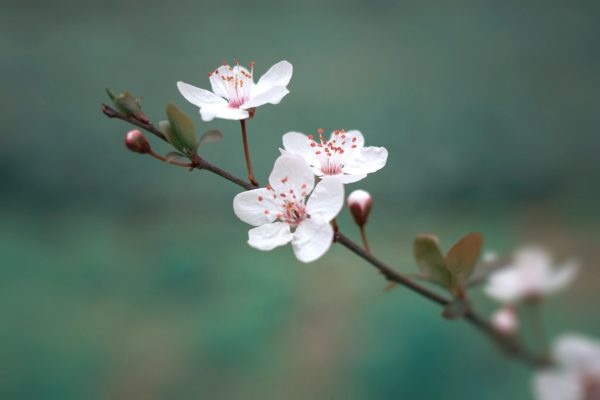
Photo by David Wirzba on Unsplash
If you feel called to experience this seasonal transition in a more immersive way, you can find further information here:
Reserve your place:
And if not, simply taking a few quiet moments around the equinox to step outside, breathe deeply, and notice the changing light can itself be a powerful way of reconnecting with the rhythms of nature.
About the Author: Corinne Cooke