
My Top 5 Benefits
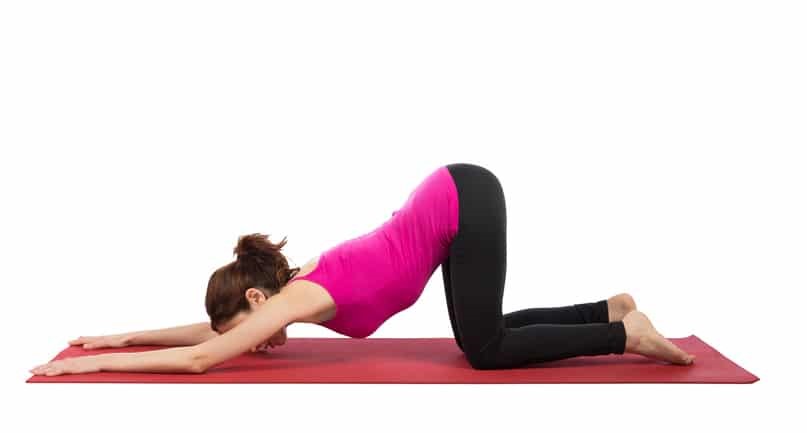
1. Soothes the nerves Anahatasana provides a fantastic upper body stretch – your shoulder girdle, trapezius muscle, the cervical and thoracic spine…you name it, it is stretched in this wonderful little posture. As a result of this all over upper body stretch, our nerves are nourished, calmed and stimulated ino super-efficient action. “Surely this happens in every yoga pose though?” I hear you ask – true, the majority of the yoga portfolio will benefit the nerves in one way or another, but it is our upper body that largely contains the large networks of nerves known as Plexuses. A Plexus is a web-like reticulation of nerve fibres that interconnect, as they leave the spinal cord, in order to serve various parts of one area of the body. Put simply, it is a way that our body utilises a few nerves for many different physiological activities. In the upper body we have the Cervical Plexus (serving the head, neck and shoulders), Brachial Plexus (serving the chest, shoulders, arms and hands). These are the plexuses that branch from the spinal nerves – we also have plexuses around the heart (Cardiac plexus), the throat/Mouth (Pharyngeal plexus), Celiac plexus (aka Solar Plexus) serving the internal organs at the base of the rib cage (think stomach, liver, etc. These are the nerves that give you “butterflies” in your stomach!).
We have a couple others in this little collection (known as Autonomic nerve plexuses – they work independently and automatically) as well as a 3 major spinal nerve plexuses that serve us from the waist down – they are also activated and nourished in this posture, but that is secondary to the activation of the many, many nerves in the upper body!
So, now you have had a micro-physiology lesson, you will hopefully be a little more convinced that this upper body stretch is soothing your nerves by increasing blood flow and oxygenation in and around the networks of nerves occupying the upper body. Anahatasana also increases blood flow/oxygenation around the muscles – where we find the nerve endings – as well as stretching and increasing blood flow around the upper and mid-sections of the spine; which is where the majority of the nerves, connected to the mechanisms of our body, originate.
2. Concentrates the mind Anahatasana is a wholly “submissive” (or “passive”) pose – the body is in submission and is encouraged to relax. Traditionally Anahatasana is considered a Yin Yoga posture but I have found it extremely effective in stilling the mind and allowing deeper concentration before beginning a Vinyasa or Hatha Yoga based practice. This will partly be because of the soothing of the nerves that run around the upper body – and ultimately the head – but also because the body has, quite literally, nothing to do but be still. Admittedly, Anahatasana is quite a compromising position – it will take a while to progress in to the full chest on the flat on the floor position – so it pretty much leaves us with nowhere to go and nothing to do but…hang-out. And think. And just be there in that moment. Only when we stop, still the mind and erase the chitter-chatter, do we open up the channel for concentration. So, it would seem that this little old-favourite yin pose can prove super useful when tackling an arm balance or super strong vinyasa flow. Give it a go, see what you can achieve once you just leave your body and mind to hang out in this pose for a few minutes.
3. Breathe in the air Coming back to that supreme upper body stretch, anahatasana is instrumental in opening the chest, stimulating the blood flow and prana being delivered to the throat chakra (Vishudda), aiding our respiratory system. Our ability to breathe is what keeps us alive and we often don’t think about our trusty old respiratory system – sitting at your office desk, driving home in your car…it is not at the forefront of your mind as it is an automatic (autonomous) system that we don’t have too much control over. However, if we don’t look after the organs and tissues that comprise this system, the results are less than desirable. So, anything that we can do to stimulate blood flow and energy to this area can only be a good thing, right? Anahatasana works to stretch and expand the thoracic area (chest) and this expansion opens up the airways and stimulates blood flow/oxygenation in this area (hopefully you’re seeing a theme here – this is how we soothe our bodies; by encouraging good circulation).
4. It may help improve posture. We’ve already learnt that Anahatasana gives an exaggerated stretch in the upper back/torso and expands the respiratory system and thoracic cage. This posture doesn’t just stop there though! It also elongates and stretches the spine without compression. You are giving your spine a lovely lengthen in this posture and, coupled with the stretch in the upper body and the space this will create around the shoulders, this will hugely benefit your posture. After holding Anahatasana for a few minutes, the spine and shoulders start to feel a bit “easier” and you will emerge far more relaxed and upright!
5. Opens your heart. Last but not least…anahatasana – aka Melting Heart Pose – opens the heart chakra. In Sanskrit Anahata means ‘heart’, and asana means ‘pose’. In this pose we reconnect to the Earth by directing the heart to the Earth, encouraging a surge in prana to the heart thus promoting an enormous sense of wellbeing, calm, rejuvenation and freedom. This pose can open the chakra to encourage kindness, love, joy and gratitude. It is incredibly grounding and the mental and emotional benefits perhaps surpass the physical benefits- this one little pose delivers physical benefits in abundance; but also delivers emotional and mental benefits in equal amounts.[/vc_column_text][vc_column_text]Anahatasana teaches us to concentrate, look inwards on our minds, relaxes the mind and body and promotes a calm, subdued demeanour. All of this is great for us in ourselves – but Anahatasana also promotes balance in the Anahata chakra, which opens us up to selfless love; benefiting all that come in to our lives.
A little pose that gives you time for some self-love, which equips you with the tools to give selfless love to the World around you. What could be better than that?
About the Author: Katie-Marie Fuller