

When it comes to fertility, most advice focuses on diet, exercise, or medical interventions. But there's another factor that's just as important—and often overlooked: your mindset.
A fertility mindset is the way your thoughts, beliefs, emotions, and subconscious programming shape your experience of trying to conceive. It affects the decisions you make, how your body responds to stress, your consistency with supportive habits, and how you show up in your life—at work, in relationships, and in how much mental space fertility takes up day to day.
Much of our mindset sits in the subconscious, outside of our conscious awareness. These beliefs are often shaped by society, childhood experiences, past losses, age-related narratives, or trauma held in the body. Even when a woman consciously wants to conceive, her subconscious may still be operating from fear, protection, or expectation of disappointment. This internal state signals to the body that it is not safe to fully relax, keeping the nervous system activated and making it harder for the body to cooperate with conception.
Aligning your mindset with what you want in life isn't about forcing positivity or pretending everything is fine. It's about gently bringing subconscious beliefs, emotional patterns, and the body back into a state of safety—so the body can respond rather than stay in protection.
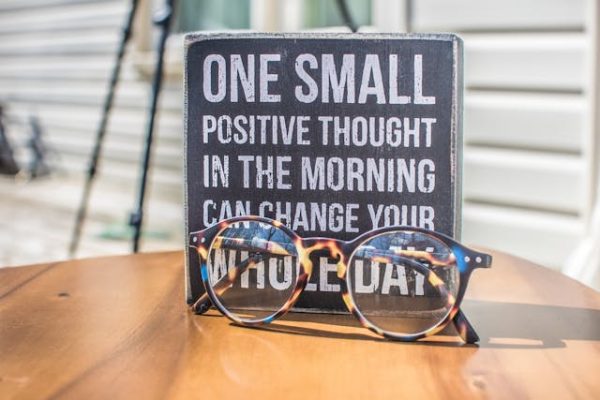
Photo by Binti Malu
It's also about becoming aware of the stories you tell yourself, the fears or deeply held beliefs that feel impossible to shift, and the ways emotions such as anxiety, grief, frustration, or loss of trust in your body show up. Notice how these patterns might influence your behaviour—overthinking, withdrawing, constantly bracing for disappointment—and gently shift them in ways that feel realistic and supportive.
Some women notice a constant loop of "What if it doesn't happen?" Others compare their journey to friends or family, or carry the fear of past losses into every new cycle. For some, age becomes a quiet but heavy belief: "Maybe it's too late for me"—even when there's no clear medical reason to think that. These thoughts are common and understandable, but acknowledging them is the first step to reducing their impact.
Shifts Can Start Small
Mindset shifts don't have to be overwhelming. They start with noticing what's happening in the moment and taking small, concrete actions:
- Notice and reframe self-talk. If you think, "It's not going to happen," "I'm broken," or "I'm too old," pause and reframe it to something supportive and realistic, like: "I'm doing everything I can, one step at a time," "I am exactly where I am meant to be on my journey," or "What if all is exactly as it should be?"
- Regulate your nervous system. Bringing your body into a state of safety is key. Try mind-body exercises, breathing practices, grounding techniques, gentle movement, or whatever works best for you. Build your own "toolbox" to use when stress arises.
- Process your emotions safely. First, acknowledge how you feel—allow grief, anxiety, or frustration to exist without judgment or avoidance. Then find safe ways to help your body release and integrate these emotions, so they don't get stuck. Breathwork, journaling, EFT tapping, or other somatic techniques can help. If emotions feel heavy or persistent, a trained professional can provide guidance and support.
- Address subconscious blocks. Notice repetitive patterns, limiting beliefs, or past trauma influencing your thoughts and feelings. Working with a professional can help you safely process and release these.
- Daily check-ins. Reflect on your triggers and what you can adjust in your environment. How can you protect yourself, create boundaries, and make space for safety and calm?
- Reinforce your mindset with new programming. Once regulated, use tools like hypnosis, EFT, affirmations, or subliminal audio to strengthen beliefs that support your vision.
Over time, these small adjustments help you feel steadier, recover faster after setbacks, and regain a sense of calm control in your daily life.

Photo by Leeloo The First
Start the Year with Intention
Begin the year by asking yourself practical, reflective questions that guide mindset shifts:
- What am I ready to release from 2025?
Notice beliefs, fears, or habits that no longer serve you—past disappointments, self-blame, or comparing yourself to others. A simple exercise: write a short letter to 2025 acknowledging what you learned and choosing what to leave behind. - How do I want to feel in 2026?
Choose emotional states to cultivate—hopeful, grounded, calm, confident, or connected to your body. Create a personal mantra to repeat daily, e.g., "I trust my body and my journey," as a touchstone throughout the day. - What do I want to bring into this year?
Decide the qualities, energy, or support you want more of—peace, confidence, validation, connection, or trust in your body. Take one small action each day to reinforce this: a brief breathing exercise, journaling one positive thought, or pausing to notice progress instead of outcomes. You might also write a letter from your future 2026 self, offering encouragement, reassurance, and reflections on the growth, experiences, and changes you've welcomed over the year—whatever that looks like for you. - What milestones will I celebrate beyond pregnancy?
Broaden your definition of progress: staying calmer during the two-week wait, noticing fewer anxious thoughts, trusting your body more, or recovering faster after setbacks. Recognising these wins reinforces real internal shifts and signals your nervous system that it is safe, helping your body feel steadier and more able to respond. - What micro-habits will support your mindset in 2026?
Small, daily actions reinforce your mindset and make it tangible:
- Notice and reframe one unhelpful thought per day
- Spend 5–10 minutes on grounding or mindful breathing
- Journal one win or positive insight each evening
- Practice gratitude each morning or evening
- Repeat your personal mantra at times you will see it throughout the day

Photo by Alina Vilchenko
By pairing reflection with these practical, doable habits, you take real, daily control of your mindset—supporting both your emotional wellbeing and your body's ability to respond.
The bottom line is that your mindset is something you can influence and take control of—and it's crucial that your mind and body work together as one on your fertility journey.
This might feel like a lot, but remember…
…less is more and each small action you take makes a real difference.
It's about not letting your mindset habits consume you or set you up for self-sabotage.
If I were to tell you that your mind can actually support you in conceiving, what would you be willing to do today to start making that happen?
Main – Photo by hello aesthe
About the Author: Laetitia Felix