

There hasn’t been a time in human history when change hasn’t occurred.
Civilisations have risen and fallen, scientific advancements have been made, and never before have we experienced such dramatic changes as we are experiencing today.
But that is just what can be seen from the outside.
There are subtle, hidden changes within us that we cannot see directly, but that become visible when we look through the family photo album.
Yes, we were once young and saw life through a completely different lens.
Where is that baby now? That child? That teenager and young adult?
Can we still identify with those versions of ourselves that once represented who we were?
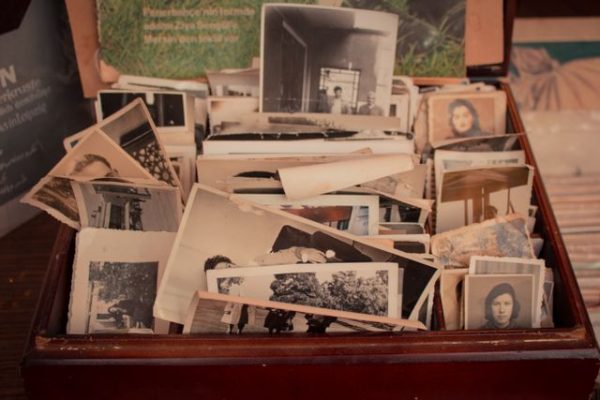
Photo by Miray Bostancı
Maybe that’s why it’s so hard to look inside for answers, to search within ourselves for our deepest beliefs and truths, because we are always changing.
We tend to look for answers outside ourselves, seek to fulfil our wishes through external circumstances, and blame the outside world for whatever happens to us.
But we rarely look inward, reflecting on our inner world, our emotional state, what makes our hearts sing or what causes our souls pain.
We follow the easy path: avoiding our inner struggles and our own shortcomings, and failing to recognise ourselves as the source of our desires and of the dissatisfaction we feel when we fail to fulfil them.
The lack of inner reflection contrasts with the eagle-eyed scrutiny we apply to others and to how they should solve their problems.
Then we spend much of our time experiencing the world from an egocentric point of view: things happen to us; we are victims of society, culture, and what others have or have not done for us.
We rarely start with our “I” in those situations.
Our “I” simply becomes more dominant when it wants something, when it wants the world to conform to its expectations, dreams and desires.
Why doesn’t this person conform to what I wish her to be?
Why don’t things go as I expect?
Why does life keep throwing unpleasant people and situations at me?
It’s mostly about “them”, not about us.
Then we go to therapy to try to solve the problems we believe the outside world has brought us, to make sense of it all and, deep down, to find a way to make our “I” work for us as we expect and desire.
We are complex creatures and operate with subconscious agendas that we are not even aware of.
And when we see someone functioning differently, we may feel afraid of the unknown, or simply ridicule their approach because it doesn’t resonate with our point of view.
This causes us tremendous anxiety and unease, and at times even dis-ease, because we are unwilling to let go of the outcomes we desire most.
We may find ourselves blaming politicians, the economy, society and others, without spending a single moment analysing our own role in these processes.
You see… this is not about us versus them; it is about us and the way we see, feel and act in the world: the thoughts we choose to think, the words we choose to say and the actions we choose to take.
In our minds, we are reacting, but in reality, we are playing our part in the play.
It starts with us, it’s about us, and it ends with us.
The rest is merely a reflection of those processes.
And if, for some reason, we are invited to look inward, to search within ourselves for answers, we may well choose distraction, procrastination and endless activities rather than face ourselves and do the inner work required to become better, more harmonious and more balanced people
For some, the journey ahead is long, and it might be somewhat (or deeply) painful.
For others, who have already done some inner work and developed a greater awareness of the mechanisms that govern their minds, the journey is shorter and potentially smoother.
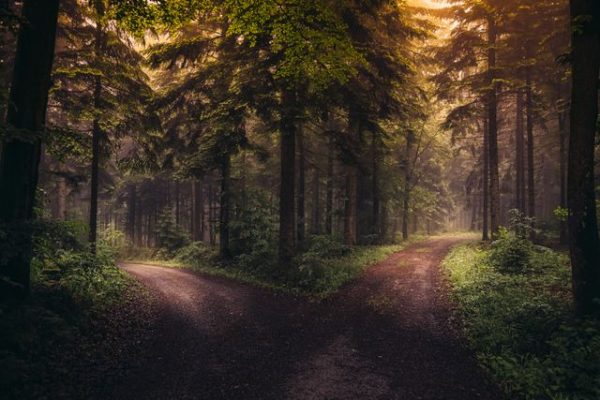
Photo by Vaidas Vaiciulis
So we have a choice: either we keep looking at the world through the same familiar lens, or we choose a more challenging but definitely more rewarding path, one that involves looking inward and getting to know how our own minds operate.
With this knowledge we will be able to take constructive steps towards a happier and more fulfilling life.
Which path will we take?
Main – Photo by Ron Lach
About the Author: Ana Machado