

When Fertility Meets Perimenopause
We often hear that after 40, fertility fades, hormones turn against us, and our chances shrink with each birthday.
But what if that story isn’t the whole truth?
What if this isn’t the end of your body’s potential but the beginning of a more conscious, connected chapter?
I conceived naturally just before turning 40, after four years of unexplained infertility. And now, as I move through perimenopause, I can feel how much my body continues to evolve, not as a punishment, but as a call to listen more deeply.
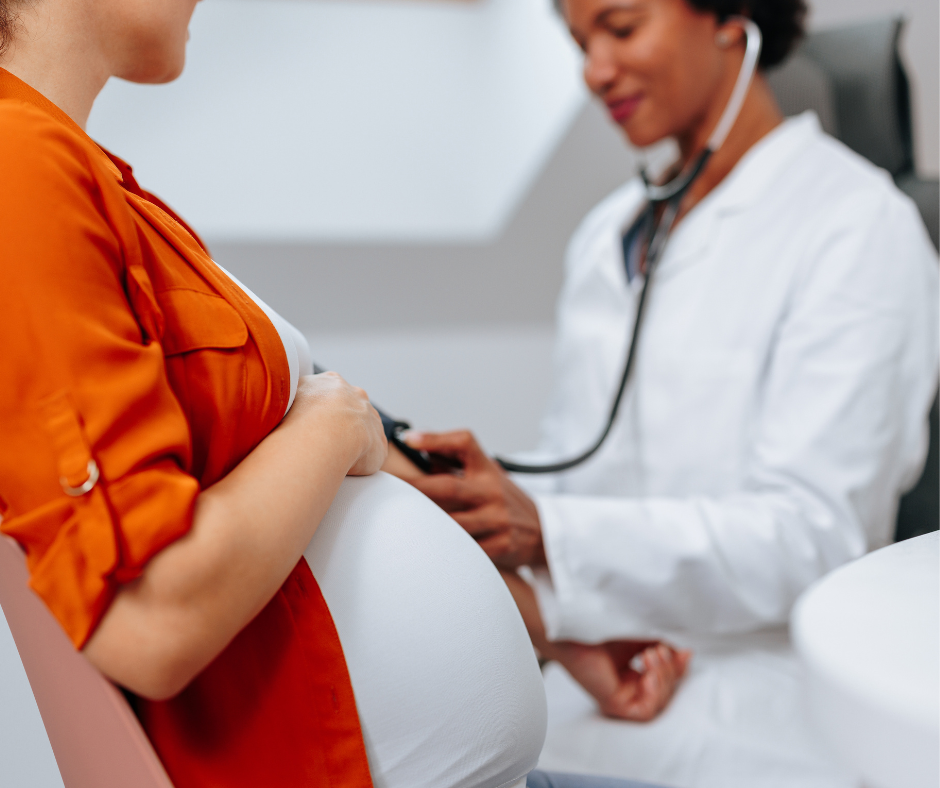
Image created in Canva
Perimenopause is not the end of your fertile energy. It’s a transitional season, where your hormones fluctuate rather than disappear. You might notice shorter cycles, changes in cervical mucus, or new sensations : all signs your body is recalibrating. When we meet these changes with curiosity instead of fear, we start working with our biology instead of fighting it.
1. Understanding Your Changing Hormones
During perimenopause, estrogen and progesterone fluctuate unpredictably. This can affect ovulation, mood, sleep, and energy, but it does not mean you cannot conceive. Hormones may become more dysregulated than before, which often requires extra support. Working with a holistic practitioner, such as a naturopath or fertility specialist, can help you address all aspects of your body including gut health, liver function, adrenal support, and hormonal balance, because everything is connected. They can also help you reach optimal levels for pregnancy, something many GPs often overlook.
Gentle lifestyle supports such as balanced blood sugar, early bedtimes, and stress regulation can make a real difference.
2. Shifting from Pressure to Partnership
After 40, it is easy to feel urgency with a sense of now or never. But pressure sends your body into survival mode. It feels like a battle you can’t win, especially when doctors keep reminding you that time is running out.
However, fertility thrives on safety, not stress. And by stress, I don’t mean you have to feel happy all the time … that’s impossible when you’re navigating this journey!!
Stress is about how your body and nervous system respond to challenges, and it can show up in many ways:
- Nervous system activation: Chronic stress keeps your sympathetic system (fight-or-flight) active → reduces blood flow to reproductive organs, digestion, and other vital systems.
- Inflammation: Stress triggers inflammatory responses in the body → this can affect your ovaries, uterus, and hormone balance.
- Hormone dysregulation: Physical or emotional stress can impact cortisol and therefore progesterone, estrogen, and thyroid hormones, all crucial for fertility.
- Physical conditions adding stress: Issues like anemia, gut inflammation, or other underlying conditions place extra stress on the body, making hormonal balance more difficult.
- Emotional stress: Anxiety, fear, grief, or unresolved trauma are also experienced physically → they create tension in the body and reinforce the stress response.
- Sleep and recovery disruption: Stress interferes with rest, which further affects hormones, immune function, and energy levels.
The key is not to eliminate stress entirely — that’s unrealistic — but to manage it, regulate your nervous system, and give your body signals that it’s safe. When your body feels safe, it can focus on fertility, healing, and optimal function rather than survival.
It’s important to remember that your body is doing the best it can, constantly sending signals to show where balance is needed. The key is to work with it, rather than against it.
Instead of asking, “Why isn’t my body doing this yet?” try, “What is my body asking me for?”
When you approach conception with curiosity and compassion, your nervous system softens, hormones begin to rebalance, and your womb feels safe, creating the space for life to thrive.
3. Emotional Healing Matters as Much as Hormones
For many women, TTC after 40 comes with layers : past losses, disappointment, or years of trying. Emotional healing isn’t optional; it’s part of conception!
Choose practices that resonate with you : somatic approaches like EFT, hypnosis, mindfulness, or movement and exercise can all help.
Mindset work is equally important: it allows you to shift your narrative and rewrite the stories we sometimes tell ourselves or are unaware of (subconsciously) such as “I’m too old,” “My body is failing” opening space for new possibilities.
4. Perimenopause as a Spiritual Portal
This phase carries deep spiritual wisdom. The womb holds both creation and transformation – a place where endings and beginnings meet.
You can work with this energy in ways that feel meaningful to you:
- Connect to your cycle and track your fertile and restorative days
- Use mindfulness, breathwork, yoga or other practices to stay grounded in your body and connected with your mind
- Find ways to tune in to your body and intuition, through practices that resonate with you, however that may look
These practices don’t have to be complicated; they simply help you stay present, tuned in, and compassionate toward yourself.

Image created in Canva
Conclusion
Perimenopause isn’t a door closing; it’s a threshold. It asks you to reclaim your body’s wisdom, to slow down, and to nurture rather than push.
Your body isn’t done creating. It’s still wise, still powerful, and still capable of miracles. By combining the right nutrition, physical and emotional self-care, mindset work, and connection to your inner wisdom, you can approach this phase with curiosity, hope, and confidence.
Main – image created in Canva
About the Author: Laetitia Felix