
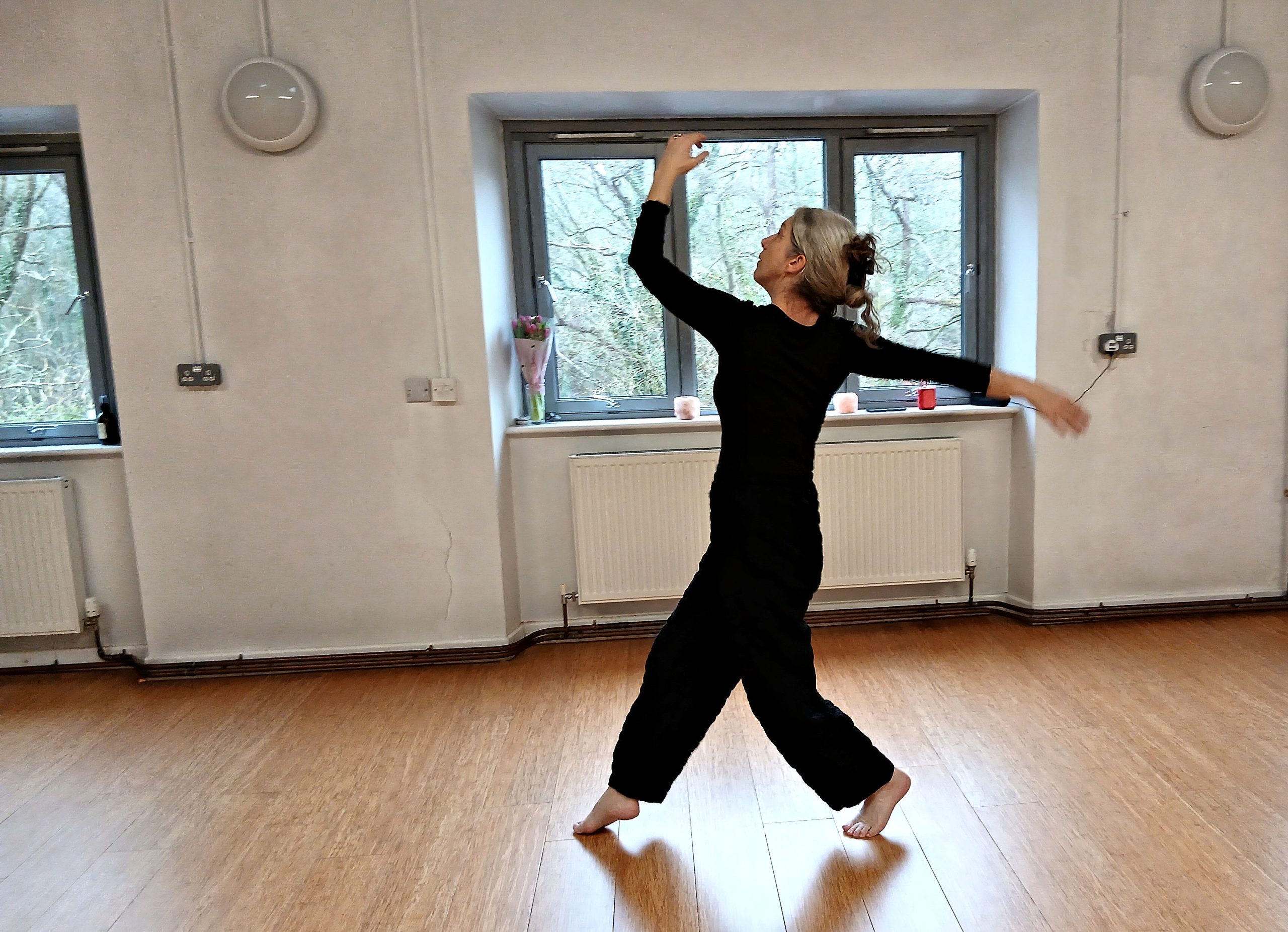
How Somatic Movement Therapy is supporting stress recovery during Mental Health Awareness Week
As Mental Health Awareness Week (11th–17th May) is observed across the UK, attention is increasingly being drawn to the impact of prolonged stress on physical health.
Chronic stress is now understood to contribute to a wide range of conditions, including digestive issues, weakened immunity, high blood pressure, heart disease, stroke, and diabetes. In response, the need to reconnect the relationship between body and mind — and to find meaningful ways to de-stress — has never felt more important.
For those living with ongoing stress or mental health challenges, body-based approaches are quietly becoming a powerful part of the recovery conversation.
A Quiet Movement Gathering Momentum
Across the North West, an increasing number of people are discovering the benefits of Somatic Movement Therapy — often travelling significant distances to access this emerging field of practice.
Combining breath awareness, movement, sensation, and imagination, somatic work supports both physical ease and emotional wellbeing.
At its heart, it invites individuals to slow down, listen inwardly, and reconnect to their lived bodily experience.
Think mindfulness — but embodied.
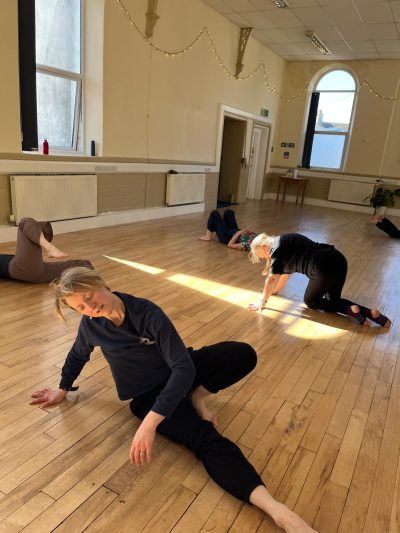
Rather than focusing purely on thoughts, somatic practices incorporate gentle seated, standing, or floor-based movements that help people tune into how they feel, not just what they think. This shift in awareness can play a key role in easing chronic pain, releasing tension, and supporting more positive mental patterns.
Connecting Through the Body
“People often come looking for relief from chronic stress or tension,” explains Morecambe-based practitioner Penny Collinson.
“What they discover are methods to connect to the sensory and physical feelings located in their body, which can release long-held patterns of tension and help them move through life with more ease and awareness.”
Penny’s approach reflects a growing understanding: that the body holds experiences that the mind alone cannot always process. By working gently with physical sensation, clients can begin to unwind patterns that may have been held for years.
From Dance to Therapeutic Practice
Originally trained in contemporary dance, Penny taught at Lancaster’s renowned Ludus Dance, alongside other UK companies, before expanding her work into Somatic Movement Education and Therapy.
Over the past 12 years, she has built a private therapy practice across Lancaster and Morecambe, responding to what she identifies as a rising need — driven in part by increasing societal pressure and extended NHS waiting lists.
Her work sits at the intersection of art, movement, and wellbeing — offering an alternative pathway for those seeking support outside traditional routes.
A Growing Reach — Locally & Internationally
Penny’s reputation has steadily grown, with professional connections extending across the UK and internationally.
This spring, internationally respected somatic practitioner Mary Abrams will travel from New York to co-facilitate a series of small-group retreats alongside Penny, taking place at the end of May and beginning of June.
Despite this wider reach, Penny remains deeply rooted in the Bay area. She continues to run regular workshops at Morecambe’s Soul Space Studio and Lancaster’s River Room, alongside one-to-one sessions from her garden studio.
Welcoming People Beyond the Studio
For Penny, the experience extends beyond the therapeutic space itself.
“People are coming from Ulverston, Bradford, York, and even Belfast for our next retreat,” she shares. “So it’s important they don’t stop at the studio door.”
Her work also offers a gentle invitation to discover the wider landscape — from coastline to countryside — helping visitors connect not only with themselves, but with the local environment.
This influx of visitors also brings meaningful benefits to surrounding businesses, from accommodation providers to cafés and local attractions, quietly supporting the regional economy.
A Community-Led Approach to Wellbeing
Penny’s work has received a growing number of heartfelt testimonials, and she has recently been anonymously nominated for a Lancashire Business Award in the health and wellbeing category.
Yet her focus remains clear:
“It’s evident that community-led, art-based approaches play a vital role in supporting people to maintain their physical and mental health — to live well and truly flourish,” she says.
“And what better time to highlight this than during Mental Health Awareness Week?”
What Is Somatic Movement Therapy?
Somatic Movement Therapy is a mind–body approach that centres on internal awareness rather than external performance.
Practitioners work with subtle cues — including micro-movements, muscle tone, and emotional expression — to guide individuals toward deeper embodiment.
Through practices such as:
- Breathwork
- Body awareness
- Freeform movement
- Gentle, expressive dance
clients can begin to:
- Release stress and stored tension
- Support trauma recovery
- Reduce chronic pain
- Retrain habitual nervous system responses
- Rebuild a healthy mind–body connection
Accessible and adaptable, these techniques move away from traditional fitness goals and instead focus on cultivating awareness, presence, and ease.
All photos by Penny Collinson
About the Author: Penny Collinson